
Rubber vs Nylon vs PTFE — How to Choose the Right Brake Line
One question I hear constantly from distributors in Japan, Korea, and Africa: “Which brake hose material should I stock?” The answer depends on climate, vehicle type, and how the vehicle is used.
Rubber Brake Line Assembly — The OEM Standard
Affordable and flexible, but vulnerable to heat and ozone. Best for mild climates and daily drivers. However, in tropical regions, they often fail within 3–4 years.
Nylon Brake Line — Lightweight and Corrosion-Resistant
A solid middle ground. Nylon Brake Line resists UV and doesn’t rust. Popular for motorcycles and compact cars in humid areas.
PTFE / Teflon — The Performance Choice
If you’re dealing with desert heat or track days, there’s no substitute. Teflon Brake Line and PTFE Brake Line Assembly won’t swell, delaminate, or boil fluid.
Stainless Steel Braided — Maximum Protection
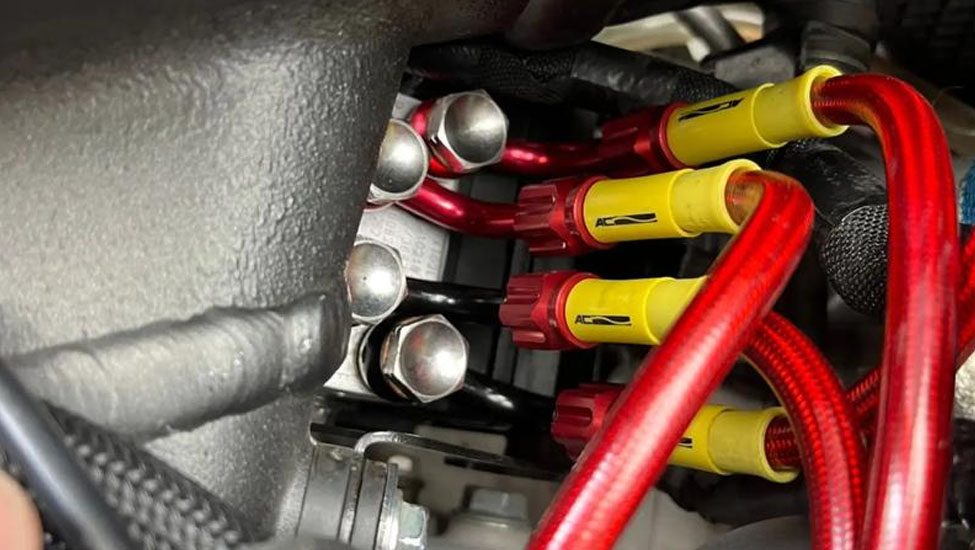
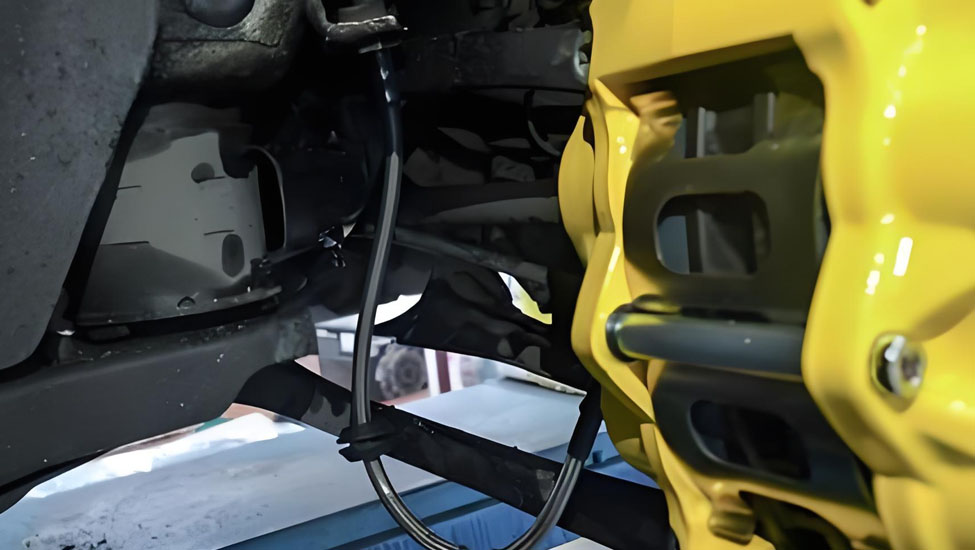
For off-road and heavy-duty use, Stainless Steel Braided Hose adds a layer of armor. It also prevents the “ballooning” effect under hard braking.
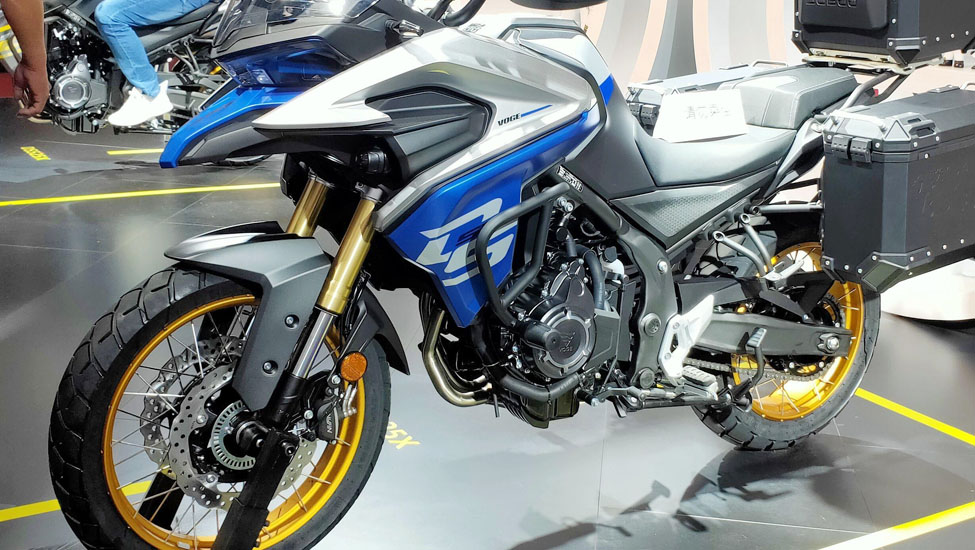
Motorcycle Brake Lines — Special Considerations
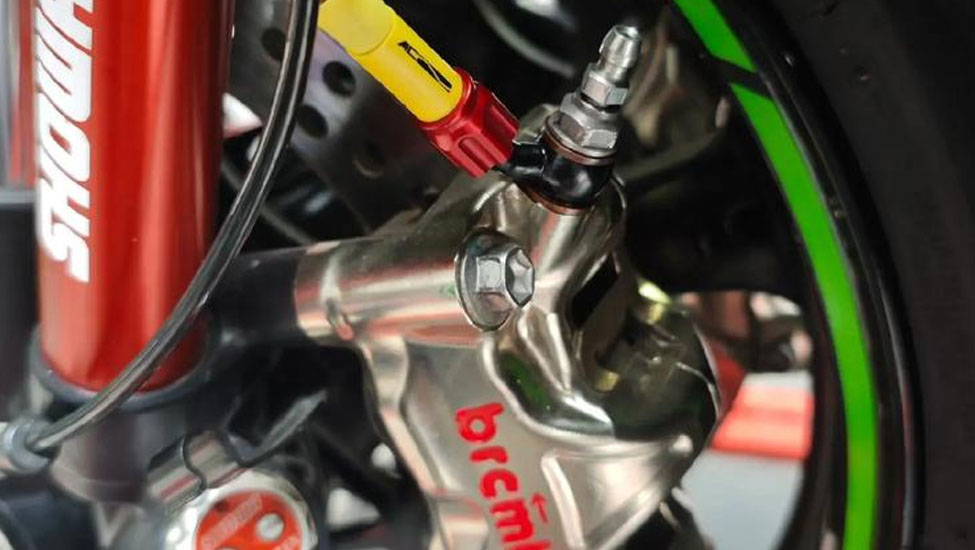
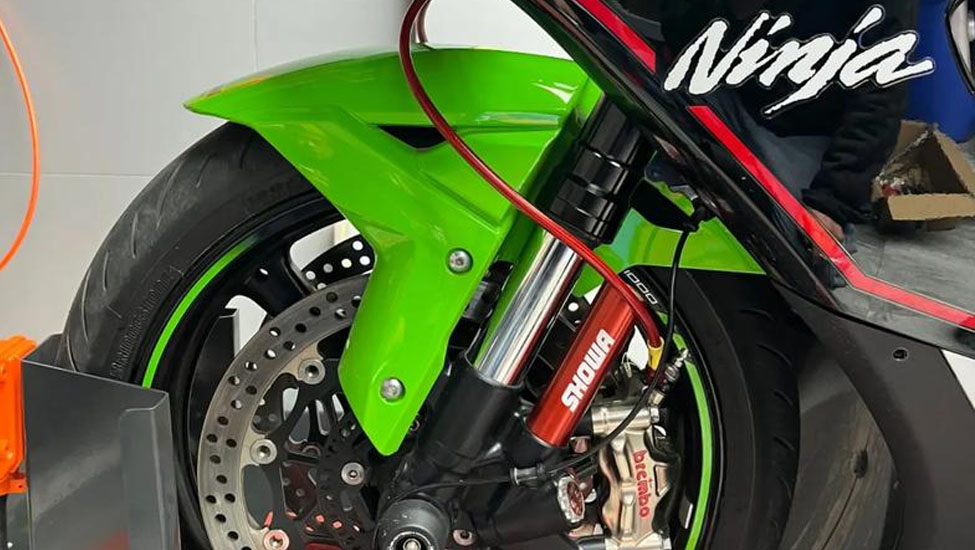
Bikes need precise banjo angles and shorter lengths. We produce Nylon Brake Line Assembly and braided options specifically for two-wheel applications.
Buying Checklist for International Buyers
- Confirm thread size (M10, 3/8", banjo)
- Choose ID: 3.0mm, 3.2mm, or 1/8"
- Specify burst pressure ≥ 10,000 PSI for safety
- Ask for test reports (pressure, impulse, salt spray)
Need help choosing the right hose?
Share your vehicle details or send us a drawing. We’ll confirm specs within 30 minutes for urgent orders.
📐 Request OEM solution →
FAQ
Can I mix rubber and braided lines?
Not recommended. Consistent material ensures balanced braking.
Do you support custom lengths?
Yes. We manufacture to your drawing or sample with ±1 mm tolerance.
Do you ship to Africa and Asia?
Weekly shipments via DHL, FedEx, and sea freight.
Everyday Care to Extend Hose Life
- Avoid pressure-washing fittings directly
- Inspect for cracks, bulges, or rust at crimps
- Bleed brakes fully when replacing hoses