
How to Detect Hidden Brake Hose Failures (And Why They’re So Easy to Miss)
Here’s a scenario I see every month: a customer replaces calipers, flushes fluid, and still has braking issues. The real problem? A brake hose that looks perfect on the outside but is failing internally.
The “One-Way Valve” Effect
When the inner liner of a Rubber Brake Line Assembly separates, it creates a flap. Pressure goes in, but fluid can’t return. The caliper stays engaged — and the hose looks completely normal.
Heat Cycling and Delamination
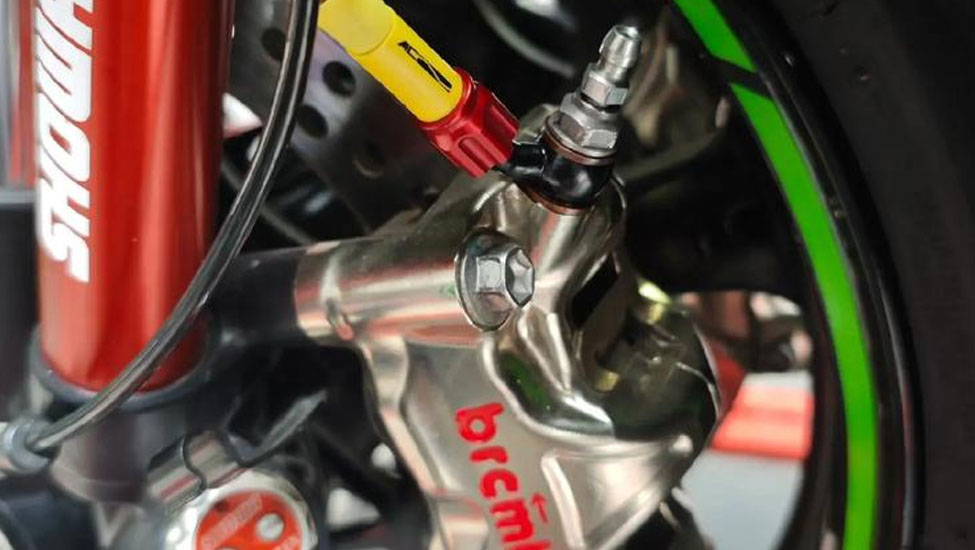
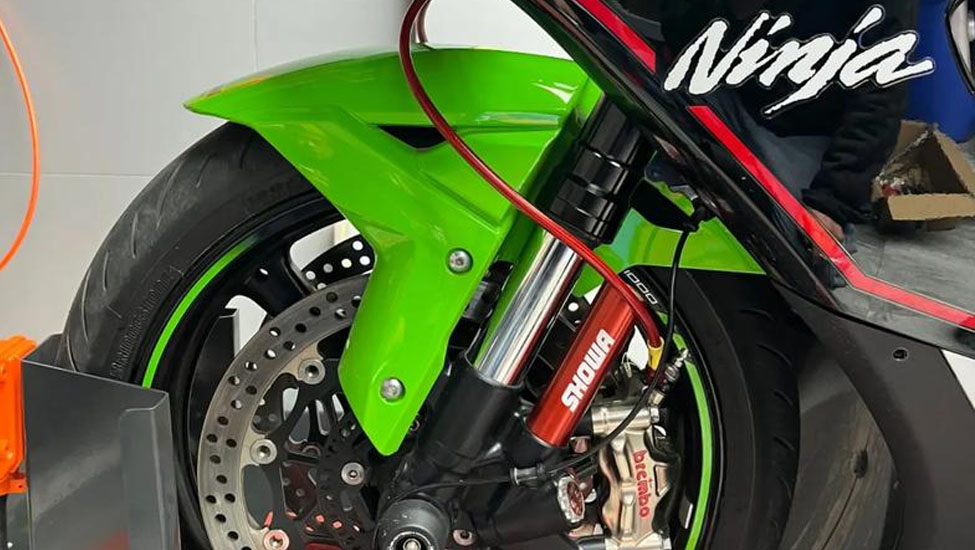
In the Middle East, I’ve seen hoses fail within two years due to heat. Upgrading to Teflon Brake Line or PTFE Brake Line Assembly solves this permanently.
External Damage You Can See
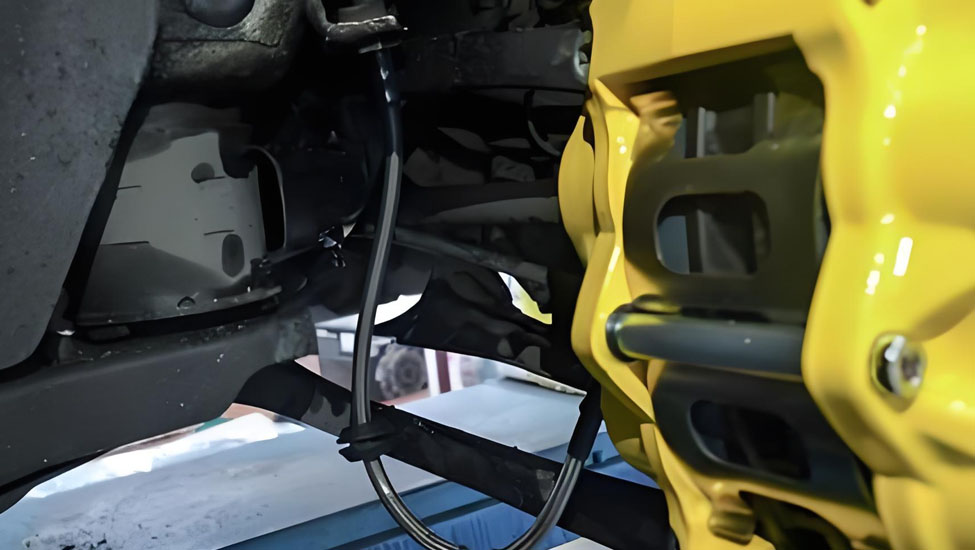
Abrasion, kinks, and UV cracks are easier to spot. Nylon Brake Line handles UV better, but any hose rubbing against metal will eventually fail.
The “Hot Wheel” Diagnostic
This is the fastest field test:
- Drive normally for 10–15 minutes
- Stop and check each wheel’s temperature by hand (carefully)
- One wheel much hotter = restricted hose or sticky caliper
- Open the bleeder — if it frees up, replace the hose
Our Main Product Range
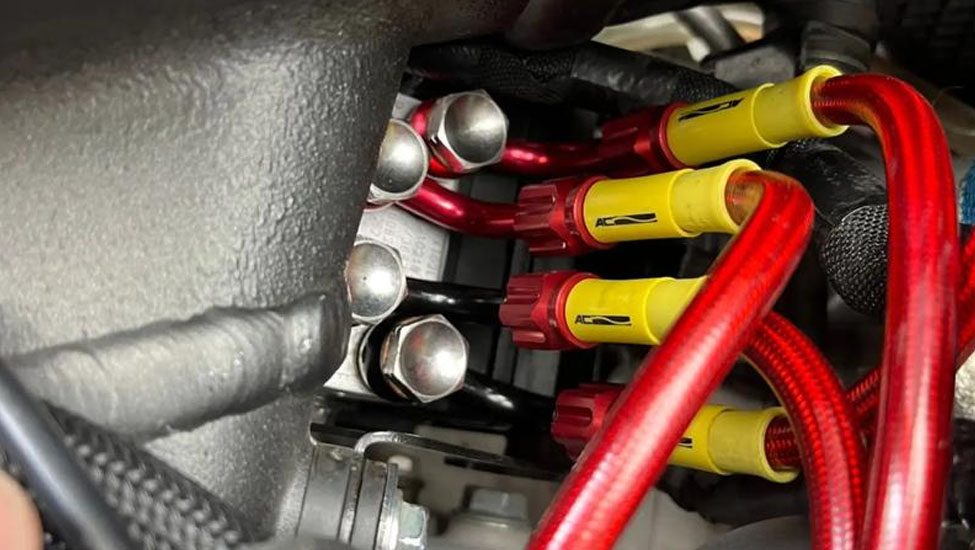
- Teflon Brake Line – Zero expansion, high heat resistance
- Nylon Brake Line – UV-stable, lightweight
- PTFE Brake Line Assembly – Chemical & temperature resistant
- Nylon Brake Line Assembly – Corrosion-resistant option
- Rubber Brake Line Assembly – OEM replacement
Unsure which hose fits your build?
Send us your drawing, sample, or vehicle info. We’ll engineer the right solution.
📩 Send inquiry / drawing →
FAQ
Do upgraded hoses prevent hidden failures?
Yes — by resisting heat, pressure, and internal collapse.
Are these legal for road use?
Our assemblies meet DOT / SAE / ISO standards and are widely used worldwide.
Do you support urgent orders?
Yes. Technical confirmation within 30 minutes for urgent requests.
Pro Tips from the Factory Floor
- Always replace hoses in axle pairs
- Never reuse old banjo bolts or washers
- Route lines to prevent contact with moving parts