
Why Brake System Pressure Loss Occurs and How to Fix It
In high-temperature export markets such as Southeast Asia, the Middle East, and Africa, brake system pressure loss is one of the leading causes of poor pedal response and increased stopping distances.
1. Hose Expansion Under High Pressure
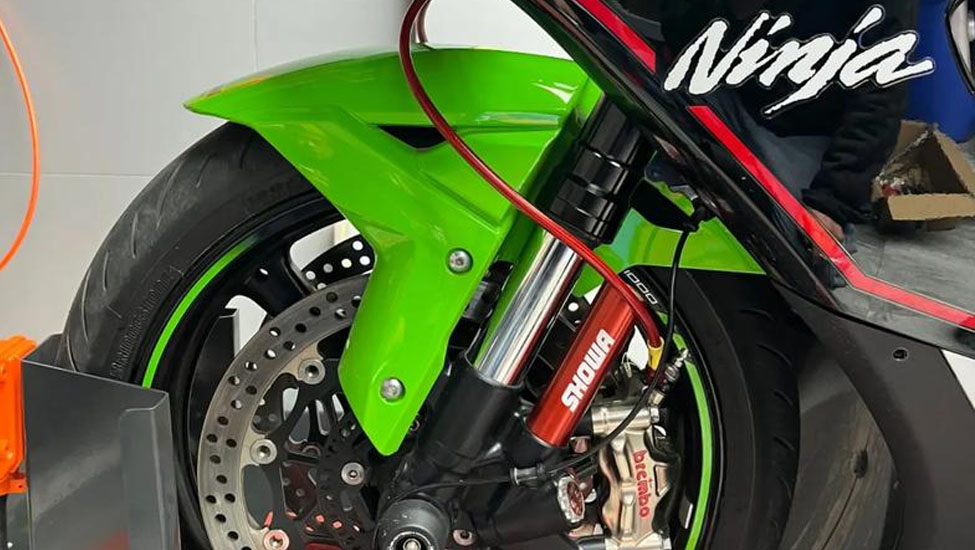
Standard rubber lines expand radially when hydraulic pressure rises. Upgrading to Teflon Brake Line or Nylon Brake Line eliminates this issue through zero-expansion construction.
2. Internal Leakage at Fittings
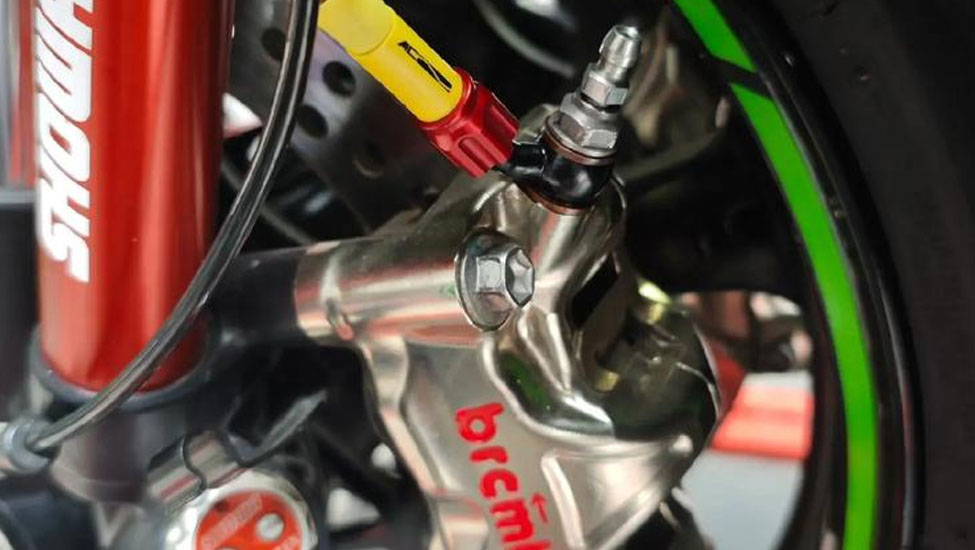
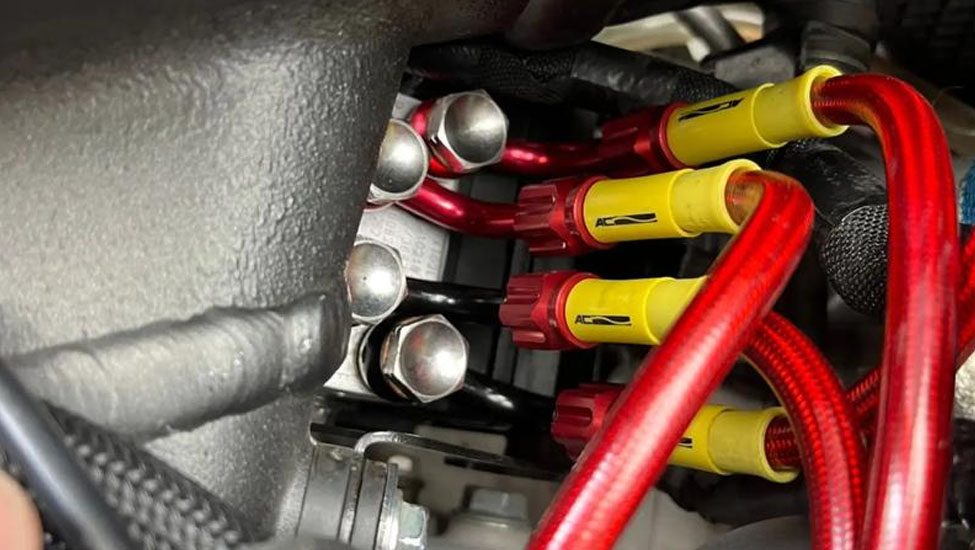
Loose or corroded fittings allow pressurized fluid to escape. PTFE Brake Line Assembly features precision-machined fittings that maintain a permanent seal.
3. Air Ingression Through Micro-Cracks
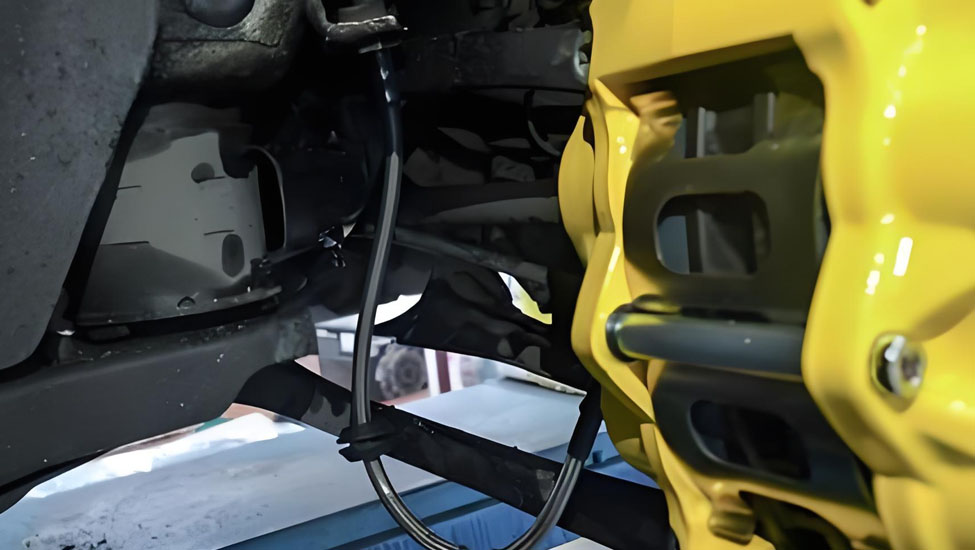
Aged hoses develop microscopic surface cracks that draw air into the system. Rubber Brake Line Assembly with reinforced outer covers resists this type of failure.
Recommended Product Options
If you are unsure which specification fits your application, send us your drawings or samples. Contact our technical team here.
Maintenance Tips for Export Markets
Inspect hoses every 20,000 km, flush brake fluid annually, and avoid reusing old fittings during upgrades.
FAQ
How often should brake hoses be replaced?
Every 4–6 years, or immediately if pressure loss or leakage is detected.
Do upgraded hoses really improve safety?
Yes. Zero-expansion, leak-proof hoses maintain consistent braking performance under all conditions.