
Collapsed Brake Hose Diagnosis: Symptoms, Causes and Troubleshooting Guide
A brake hose can fail internally without showing obvious external damage. This is one reason why some brake problems can be difficult to diagnose.
When the inner tube becomes damaged, deformed or partially separated, the hose may restrict brake fluid movement. The result can sometimes look similar to a problem with the master cylinder, caliper or brake fluid.
Understanding the symptoms of internal brake hose failure can help mechanics, vehicle owners and brake parts buyers identify the correct replacement solution.
What Causes a Brake Hose to Collapse Internally?
Internal Tube Deterioration
The inner tube is directly exposed to brake fluid and hydraulic pressure. Over time, unsuitable material selection, aging and operating conditions can affect its condition.
Repeated Bending
Repeated bending at the same point can place mechanical stress on the inner tube. This is particularly important where the hose passes around suspension components or steering systems.
Twisting During Installation
A hose should not be twisted to compensate for an incorrect fitting angle.
When a hose is installed under torsional stress, the inner tube and reinforcement may be subjected to unnecessary mechanical loading.
Incorrect Hose Specification
A brake hose should be selected according to brake fluid compatibility, pressure, temperature, bending requirements and installation environment.
Choosing a hose based only on outside appearance or dimensions can create problems later.
Symptoms That May Indicate an Internally Collapsed Brake Hose
Brake Does Not Release Normally
If the brake remains partially applied after the brake pedal or lever is released, restricted fluid return is one possible cause.
However, the master cylinder and other brake components should also be checked before concluding that the hose is responsible.
One Brake Component Becomes Unusually Hot
A brake that remains partially engaged can generate additional heat.
If one wheel or brake component becomes significantly hotter than expected, the entire brake system should be inspected.
Uneven Braking Behavior
A restricted hose may contribute to inconsistent hydraulic response. Uneven braking can also result from caliper problems, brake pad contamination, air in the system or other mechanical issues.
External Appearance Looks Normal
One of the more difficult situations is a hose that appears normal externally while the inner tube has deteriorated.
This is why hose age, service conditions and previous installation history should also be considered during diagnosis.
Brake Hose Diagnosis: What Should Be Checked?
Step 1: Inspect the Hose Exterior
Look for swelling, cracks, abrasion, flattened areas, corrosion and abnormal bends.
Step 2: Check the Hose Routing
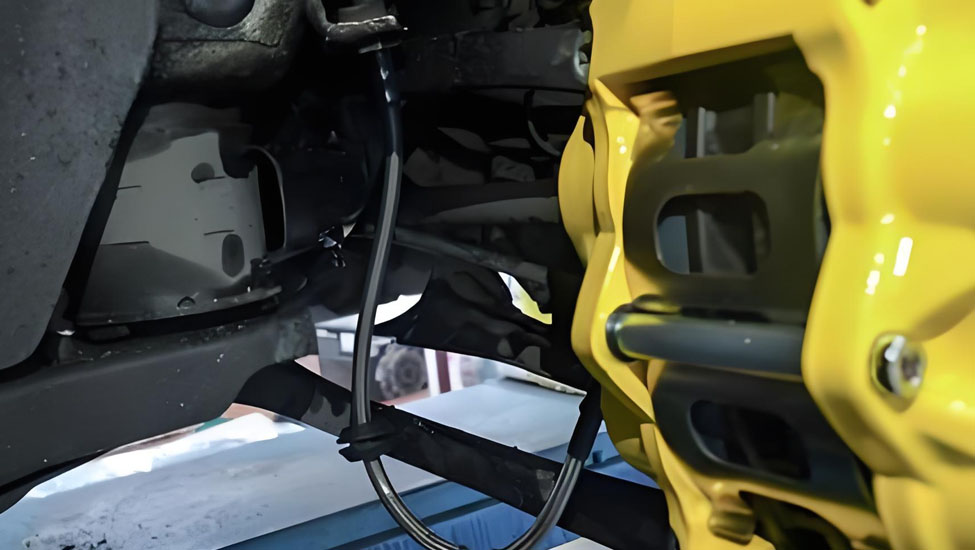
Confirm that the hose has sufficient clearance and does not become stretched or sharply bent during steering or suspension movement.
Step 3: Inspect the Fittings
Check the fitting orientation, connection points and crimped areas for signs of abnormal stress or leakage.
Step 4: Inspect the Complete Brake System
Do not replace the hose without checking other components when the symptoms could have multiple causes.
The master cylinder, caliper, brake pads, brake fluid and other hydraulic components should be considered during troubleshooting.
Why PTFE Brake Hose Assemblies Are Used in Performance Applications
PTFE is widely selected for applications where chemical resistance, temperature stability and a controlled internal passage are important.
When combined with suitable reinforcement and correctly specified fittings, a PTFE brake hose assembly can provide a stable construction for demanding brake applications.
However, the final performance depends on the complete hose assembly rather than the inner tube material alone.
Our Brake Hose Product Range
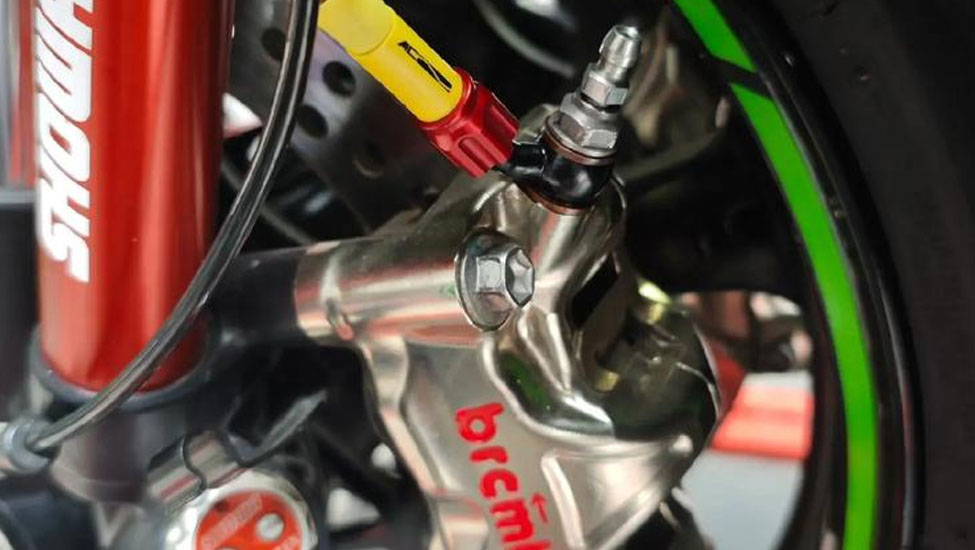
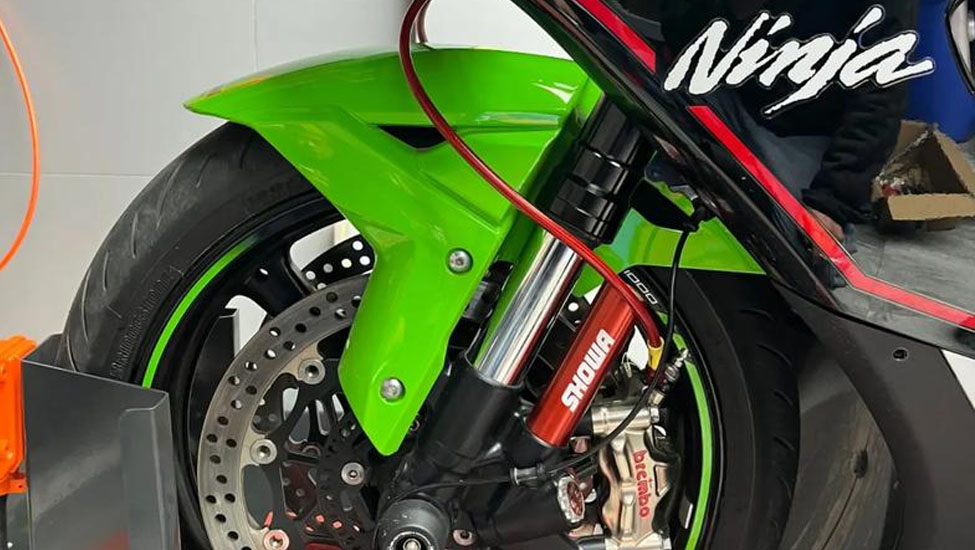
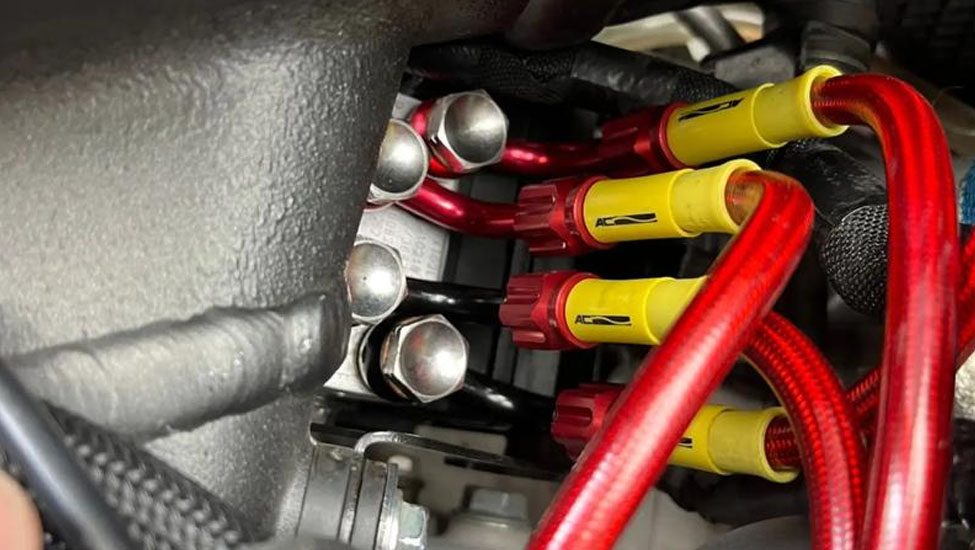
PTFE Brake Line Assembly
Our PTFE Brake Line Assembly is available for applications requiring customized hose length, fitting configuration and assembly specifications.
For a new project, buyers can send us a sample or drawing so that the hose assembly can be developed around the actual connection requirements.
Nylon Brake Line Assembly
Nylon assemblies can be selected for applications where flexibility, weight and installation characteristics are important.
Our Nylon Brake Line Assembly can be customized according to the required dimensions and fittings.
Teflon Brake Line
For customers purchasing hose material or developing their own assemblies, our Teflon Brake Line provides a PTFE-based hose option for suitable brake applications.
Nylon Brake Line
Our Nylon Brake Line is available for different application requirements and can be supplied according to customer specifications.
How to Choose a Replacement Brake Hose
- Confirm the correct brake fluid type.
- Check the original hose dimensions.
- Measure the required finished length.
- Confirm fitting thread specifications.
- Confirm fitting angle and orientation.
- Check the required operating temperature.
- Consider the actual installation environment.
- Check the minimum bending radius.
- Confirm working and test pressure requirements.
- For bulk orders, confirm batch consistency requirements.
Why Custom Brake Hose Length Matters
One of the most common mistakes in aftermarket brake hose replacement is choosing the hose based only on the distance between the two fittings.
The actual routing must be considered. A hose needs enough length for normal steering and suspension movement, but excessive length can also create unnecessary loops and contact points.
For this reason, a sample or installation drawing is often more useful than a simple length measurement.
Routine Maintenance and Inspection
During regular brake maintenance, inspect the hose from the fitting at one end to the fitting at the other end.
- Check for cracks.
- Check for swelling.
- Check for abrasion.
- Check for corrosion around fittings.
- Look for sharp bends.
- Check for fluid leakage.
- Check whether the hose has become twisted.
Vehicles operating in humid, coastal or high-temperature environments may require closer attention to hose and fitting condition.
FAQ: Brake Hose Failure
How often should brake hoses be replaced?
Replacement should follow the vehicle manufacturer's maintenance recommendations and the actual condition of the hose. There is no universal service interval for every vehicle and every operating environment.
Does upgrading the brake hose improve safety?
A suitable upgraded hose can provide improved routing and reinforcement for an appropriate application. Some braided constructions can also reduce hose expansion under pressure. However, safe braking depends on the complete hydraulic and mechanical system.
Can one brake hose be used on all vehicle models?
No. Different vehicles use different hose lengths, fitting threads, fitting angles and brake system configurations. The replacement hose should match the specific application.
Custom Brake Line Development for International Buyers
We manufacture different brake hose constructions for OEM, aftermarket and bulk purchasing applications. Our product range includes Teflon Brake Line, Nylon Brake Line, PTFE Brake Line Assembly, Nylon Brake Line Assembly, Rubber Brake Line Assembly, stainless steel braided hose and braided brake lines.
If you have a drawing, existing sample, product photo or required style, send it to us. We can review the specification and discuss the suitable hose construction, fittings and assembly requirements.
Contact our factory for brake hose development and quotation.