
Common Brake Hose Problems: Causes, Warning Signs and Solutions
Brake hoses are exposed to hydraulic pressure, heat, vibration, bending and environmental conditions every time a vehicle is driven. Although a brake hose is a relatively small component, its condition can directly affect the reliability and consistency of the hydraulic braking system.
Common problems include brake hose cracking, bulging, leakage, abrasion, internal collapse and fitting damage. These problems can occur on motorcycles, scooters, passenger cars, SUVs and modified vehicles.
For vehicle owners, workshops and brake parts distributors, understanding the causes of brake hose failure makes it easier to identify problems early and select the correct replacement hose.
What Are the Most Common Brake Hose Problems?
1. Brake Hose Cracking
Cracking is one of the most common signs of brake hose aging. Small cracks may initially appear on the outer surface, particularly around bends and connection areas.
Common Causes of Cracking
- Long-term aging of the hose material
- Repeated bending and flexing
- Heat exposure
- UV and environmental exposure
- Contact with chemicals or unsuitable fluids
- Excessive bending radius
- Mechanical stress around fittings
Small surface cracks should not be ignored. As the hose continues to age, cracking can become more severe and may eventually affect the hose structure.
2. Brake Hose Bulging
A visible bulge or swollen section is another important warning sign. Bulging can indicate deterioration of the hose structure or excessive expansion under hydraulic pressure.
Why Does a Brake Hose Bulge?
- Material aging
- Repeated hydraulic pressure cycles
- High operating temperature
- Damage to the reinforcement layer
- Improper installation
- External mechanical damage
A brake hose that develops an obvious bulge should be inspected and replaced when its structural condition is compromised.
3. Brake Fluid Leakage
Brake fluid leakage can occur around fittings, crimped sections or damaged hose surfaces. Leakage should always be treated as a serious brake system problem.
Common Leakage Locations
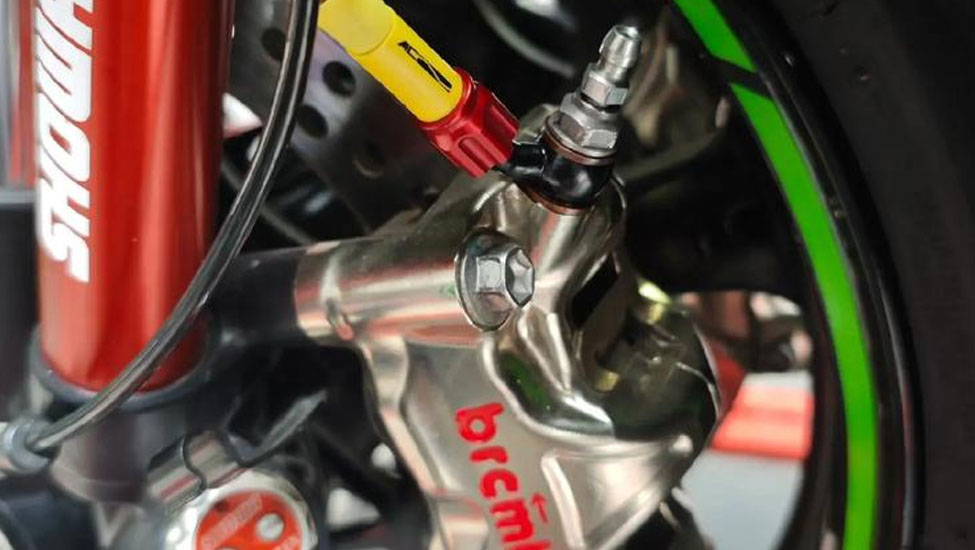
- Banjo fittings
- Threaded connections
- Crimped hose ends
- Damaged hose surfaces
- Connection points between hose and brake components
If brake fluid leakage is suspected, the vehicle should be inspected before continued operation.
4. External Abrasion
Brake hoses can rub against suspension components, wheels, frames, brackets or other surrounding parts. Continuous rubbing can damage the protective outer layer and eventually affect the hose structure.
Correct routing is therefore just as important as the hose material itself.
5. Internal Brake Hose Collapse
Not all brake hose failures are visible from the outside. Internal deterioration can sometimes cause the inner layer to deform or separate.
An internally damaged hose may restrict brake fluid movement. Depending on where the restriction occurs, the brake may not release normally or braking behavior may become inconsistent.
How to Diagnose a Brake Hose Problem
Visual Inspection
Start by checking the entire hose from one end to the other. Look for cracks, cuts, swelling, abrasion, discoloration, leakage and damaged protective layers.
Check the Fittings
Inspect the connection points carefully. A hose can appear normal while the fitting or crimped area has developed a problem.
Check Hose Routing
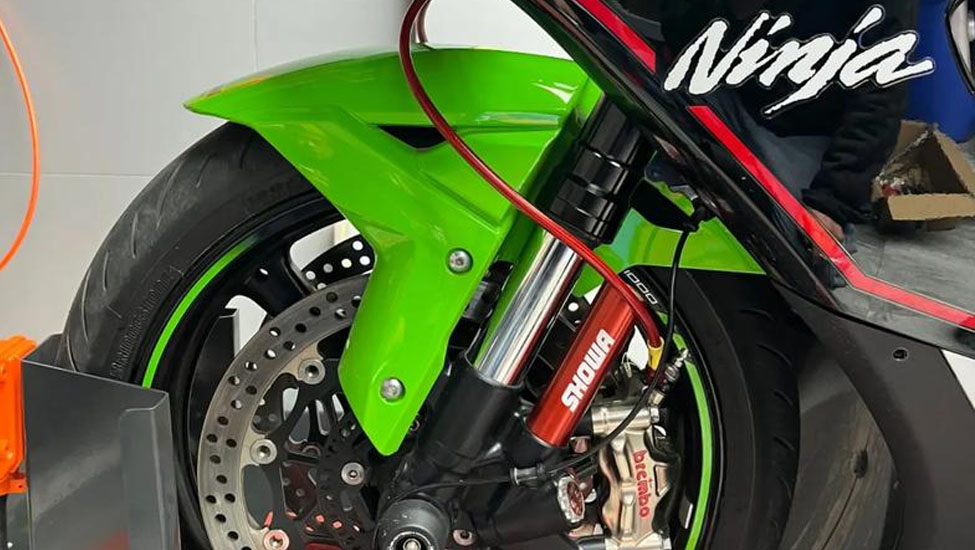
On motorcycles and scooters, turn the handlebars through their full range and inspect the hose movement. The hose should not become stretched, twisted or trapped.
Check Suspension Movement
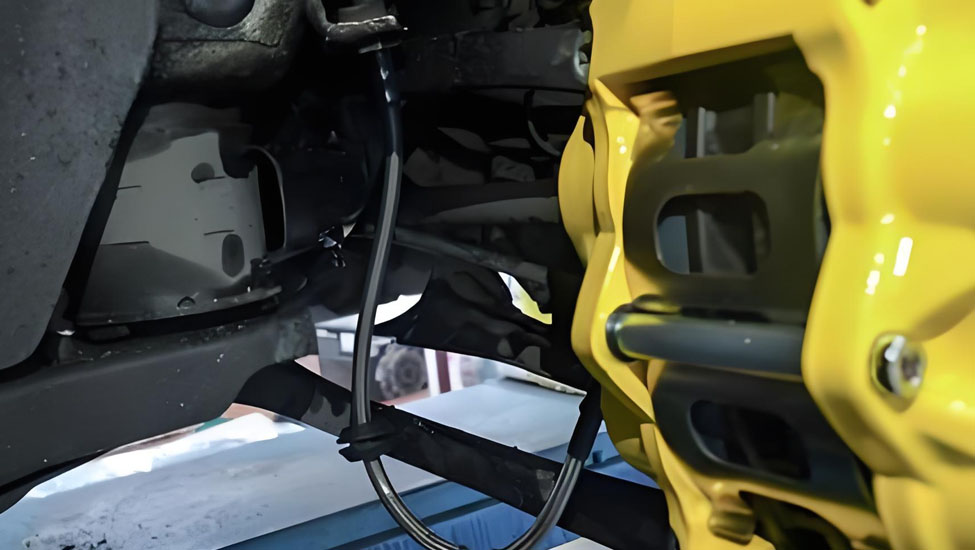
For cars, motorcycles and SUVs, suspension movement should also be considered. A brake hose must have sufficient freedom of movement without contacting sharp edges or moving components.
How to Prevent Brake Hose Failure
Use the Correct Hose for the Application
A motorcycle brake hose should not simply be selected based on outside appearance. Hose length, fittings, thread specifications, construction and routing all need to match the application.
Use Suitable Hose Materials
Different applications may require rubber, nylon, PTFE or reinforced constructions. The correct material should be selected according to brake fluid compatibility, pressure, temperature and flexibility requirements.
Inspect Brake Hoses Regularly
Regular inspection is especially important for motorcycles and vehicles that are used in hot, humid, dusty or corrosive environments.
Teflon Brake Line for Aftermarket Applications
A PTFE or Teflon-based inner tube can be considered for applications where chemical resistance, temperature stability and low fluid permeability are important. When combined with suitable reinforcement and fittings, it can be used in various aftermarket and performance brake hose assemblies.
Our Teflon Brake Line products can be customized according to hose length, fittings, construction and application requirements.
Need a custom Teflon brake line? If you are unsure about the required specification, send us your drawing, original hose, sample or fitting photos. Our team can review the application before production. Contact us for technical support and quotation.
Nylon Brake Line for Flexible Applications
Nylon brake lines are used in applications where flexibility, lightweight construction and specific material characteristics are required. The exact nylon grade and construction should be selected according to the operating conditions.
Our Nylon Brake Line can be supplied in different specifications for replacement, aftermarket and customized applications.
For OEM and wholesale projects, you can provide the hose dimensions, application, required quantity or original sample. We can discuss the suitable construction with you. Contact our factory for customization.
PTFE Brake Line Assembly for Complete Hose Solutions
For customers who require a complete ready-to-install assembly, the hose and fittings need to be considered as one system. Fitting type, angle, thread and crimping configuration must match the intended application.
Our PTFE Brake Line Assembly products can be developed according to customer specifications and application requirements.
If you have a drawing or existing assembly, send it to us for evaluation. Contact us for sample development and bulk production.
Rubber Brake Line Assembly for OEM Replacement
Rubber brake hose assemblies remain widely used for conventional OEM and replacement applications because of their flexibility and established construction.
Our Rubber Brake Line Assembly can be manufactured according to required dimensions, fittings and assembly specifications.
For distributors and importers, we can support sample confirmation and repeat production. Send us the original hose, drawing or photos if you are unsure about the specification. Contact us for a quotation.
Stainless Steel Braided Hose and Brake Hose Upgrades
Stainless steel braided reinforcement is commonly used in aftermarket brake applications because the reinforcement can help control radial hose expansion under hydraulic pressure compared with some conventional hose constructions.
This can contribute to a firmer and more consistent brake lever or pedal feel when the complete braking system is correctly matched.
Braided Brake Lines for Modified Vehicles
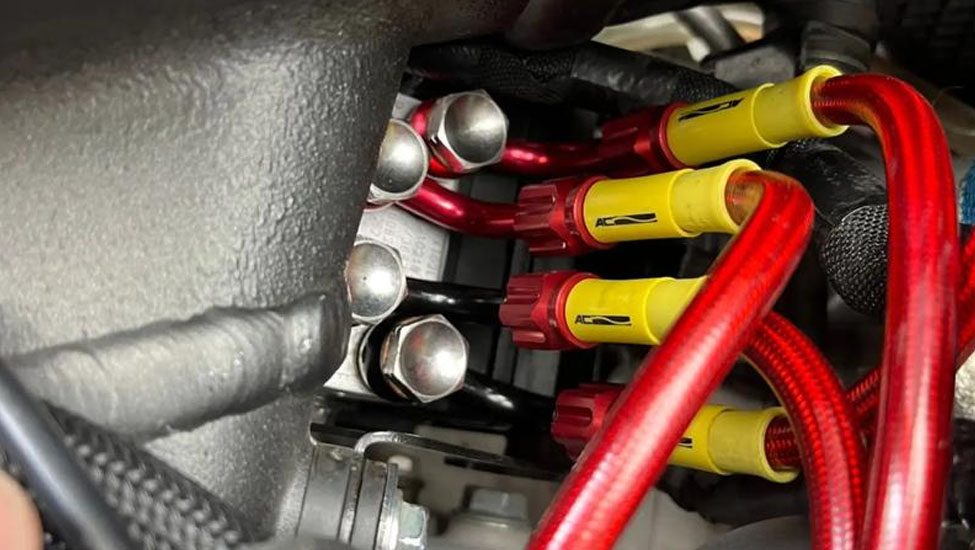
Our Stainlesssteelbraided Hose and Braided Brake lines solutions can be developed for motorcycles, cars and other hydraulic brake applications.
For modified brake systems, provide the required hose length, fitting specifications, vehicle application and quantity. Contact us for customized brake hose development.
Brake Hose Buying Checklist
Confirm Hose Length
Do not order only according to a vehicle name. Confirm the actual required length and installation route.
Confirm Fitting Specifications
Thread size, thread pitch, fitting angle, banjo dimensions and fitting orientation should all be checked before production.
Confirm Material Compatibility
Make sure the hose construction is suitable for the intended brake fluid and operating environment.
Ask About OEM Customization
Importers and distributors should confirm whether the manufacturer can produce according to samples, drawings and repeat-order specifications.
Daily Brake Hose Maintenance
Inspect the Surface
Look for cracks, cuts, swelling and abrasion.
Inspect Connection Areas
Check fittings and crimped sections for leakage or damage.
Check Hose Movement
Make sure steering and suspension movement does not pull, twist or rub the hose.
FAQ About Brake Hose Problems
How often should brake hoses be replaced?
There is no single replacement interval suitable for every vehicle. Service life depends on material, operating environment, heat, movement, age and installation. Regular inspection is more useful than relying on mileage alone.
Does a modified brake hose really improve safety?
A properly designed reinforced brake hose can help reduce hose expansion under pressure and may provide a more consistent control feel. However, it does not automatically improve every braking system. Correct fittings, installation and overall brake system condition are also essential.
Are modified brake hoses suitable for all vehicles?
No. Brake hoses must be selected according to the vehicle and braking system. Length, fitting, thread, material and routing all need to be compatible.
Can a brake hose be manufactured from a sample?
Yes. An original hose, drawing, sample, dimensions or clear photographs can be used as a reference for customized brake hose development.
Our Main Brake Hose Products
Our product range covers Teflon Brake Line, Nylon Brake Line, PTFE Brake Line Assembly, Nylon Brake Line Assembly and Rubber Brake Line Assembly.
We also support stainless steel braided hose and braided brake line solutions for motorcycle, automotive and modified vehicle applications.
Need Help Identifying a Brake Hose Problem?
If you are unsure about a brake hose specification or replacement solution, send us the original hose, drawing, sample, dimensions or fitting photos.
Our team can help review the hose construction and connection requirements before production.
Contact us for brake hose customization, OEM development and wholesale quotations.