
Spotting Brake Line Leaks Before They Become a Safety Hazard
In markets like the Middle East, Southeast Asia, and West Africa, high under-hood temperatures and coastal humidity dramatically shorten the lifespan of standard rubber brake hoses. As a brake line engineer, I’ve handled enough warranty cases to know that early leak detection is often the difference between a minor repair and a total hydraulic failure.
Common Symptoms of Brake Line Leaks
- Visible fluid streaks near fittings or along the hose body
- Soft, sinking brake pedal – especially after prolonged braking
- ABS warning light activation due to pressure loss
- Unusual hissing or air-release sounds when pressing the pedal
- Reduced braking force on one axle while the other remains normal
Where Leaks Typically Start
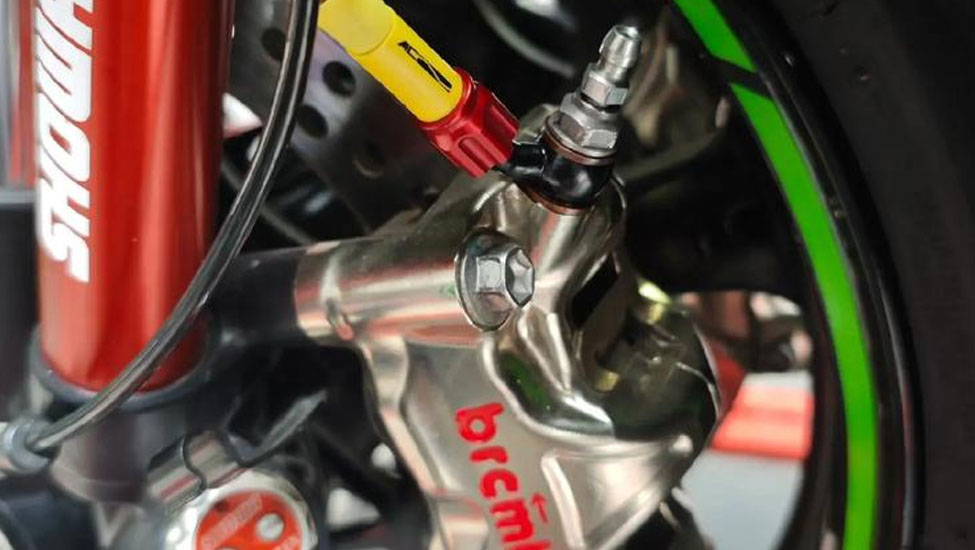
1. Banjo Fitting Crush Washers
Reused or incorrectly torqued washers are a leading cause of slow seepage, particularly in tropical workshops where torque wrenches are rarely calibrated.
2. Hose-to-Fitting Crimp Zone
Rubber hoses expand and contract under heat cycles. Over time, the bond between rubber and ferrule weakens, allowing fluid to escape under pressure.
3. Abrasion Damage
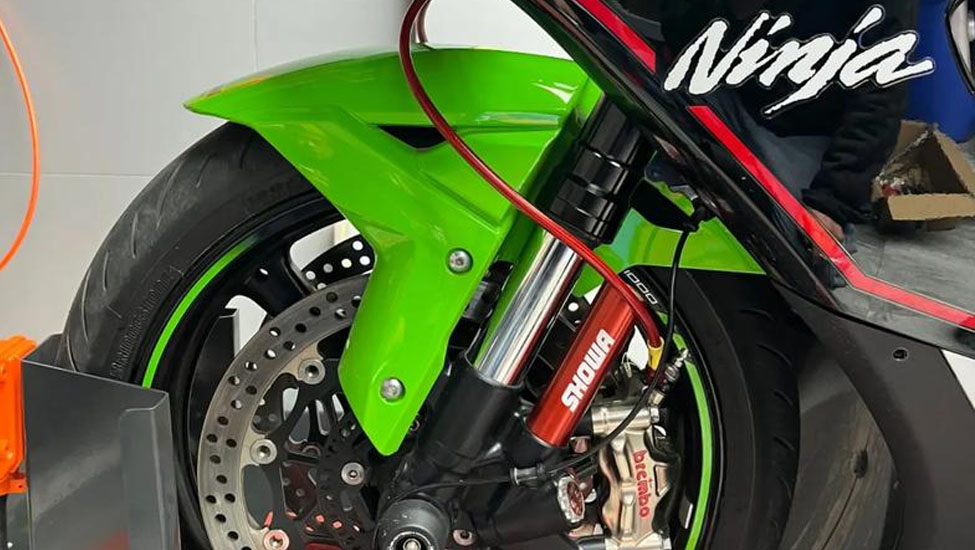
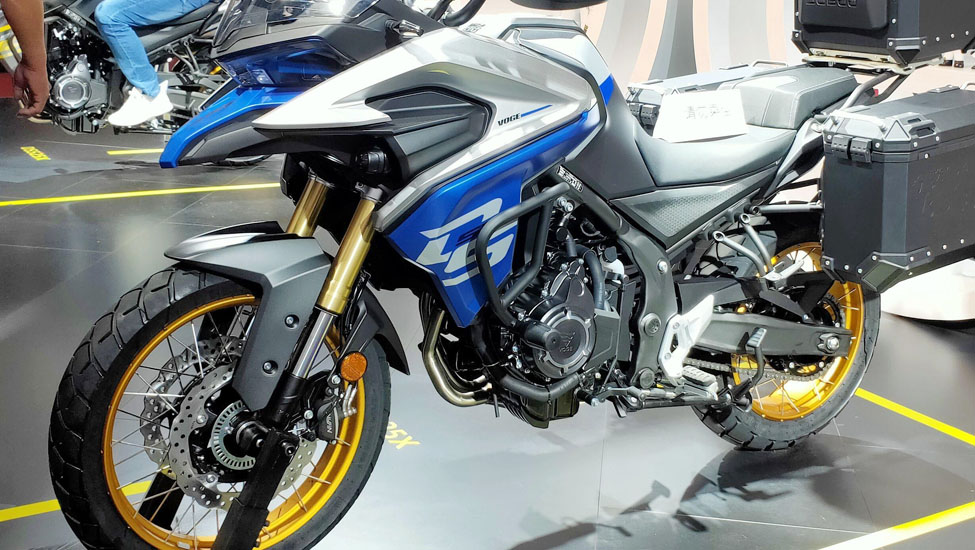
In off-road and motorcycle applications, contact with sharp chassis edges wears through the outer cover and eventually breaches the pressure layer.
Why Upgrading Reduces Leak Risks
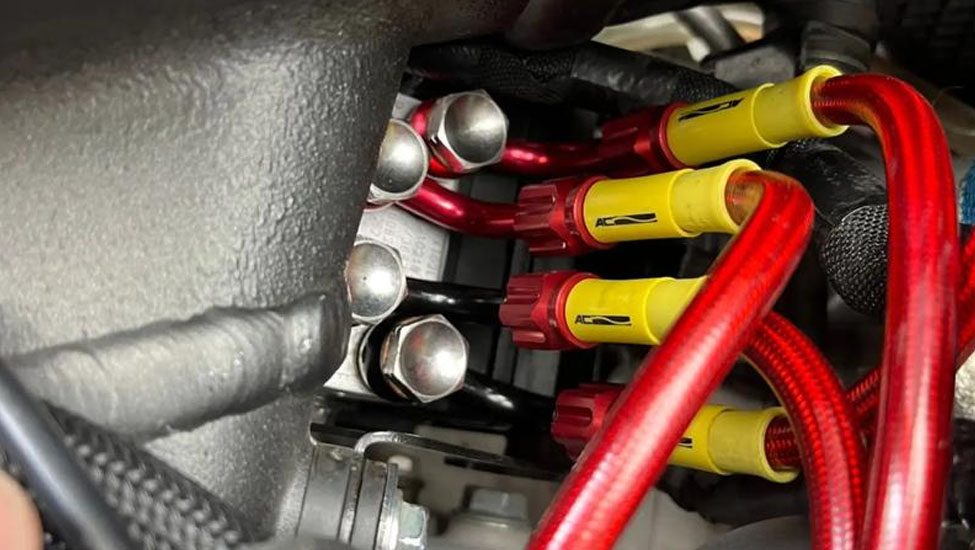
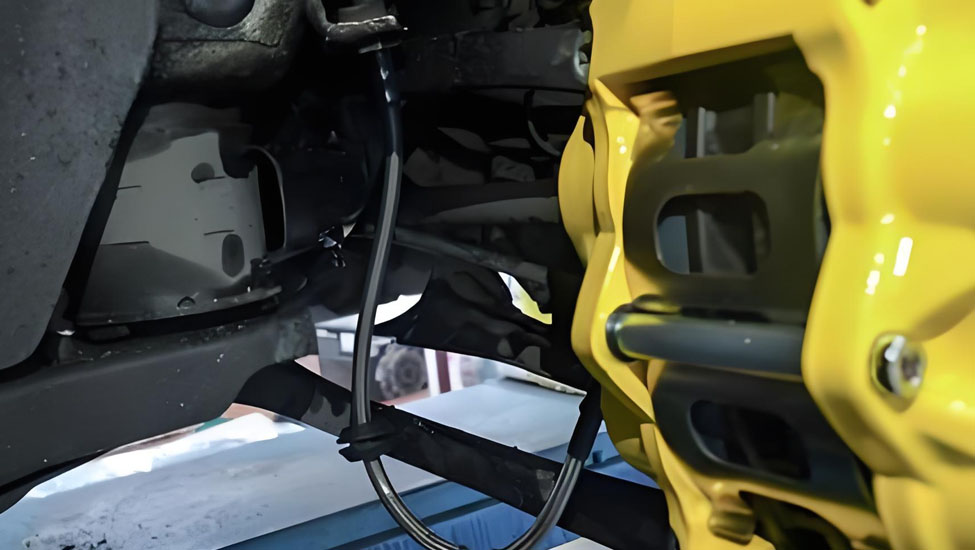
Switching to reinforced assemblies significantly improves sealing reliability. Our Teflon Brake Line and PTFE Brake Line Assembly use chemically inert cores that resist swelling and cracking. For lighter-weight builds, Nylon Brake Line offers excellent corrosion resistance—ideal for humid regions like Indonesia and Nigeria.
If you are unsure about specifications or need a custom layout, simply share your drawings or sample photos with our technical team via our Contact Page.
Quick Buying Checklist for Distributors
- Confirm banjo bolt thread pitch (M10x1.0 vs M10x1.25)
- Verify fitting angles (0°, 20°, 90°, 180°) per wheel position
- Choose braid type: stainless steel for abrasion resistance, nylon for weight saving
FAQ – Technical & Procurement
Q: How often should brake hoses be replaced?
A: Rubber hoses: every 4–6 years. Performance braided lines: inspect every 2–3 years and replace immediately if leakage appears.
Q: Do upgraded hoses really improve safety?
A: Yes. Reduced expansion and stronger crimp technology lower the risk of sudden leaks under high-pressure braking.
Q: Are they suitable for all vehicles?
A: We manufacture both automotive and Motorcycle Brake Lines. Send us your application details for a fitment confirmation.