
The Ultimate Guide to Selecting Corrosion-Resistant Brake Lines for Your Market
For distributors, workshops, and enthusiasts serving markets like coastal Africa, Japan, or the Middle East, stocking and recommending the right brake line is crucial. Not all braided brake lines are equal in the face of corrosion. This buyer's guide breaks down the key specifications to look for, helping you make informed decisions that build customer trust and reduce comebacks.
Critical Specification 1: Inner Liner Material (The Moisture Barrier)
This is the first line of defense against internal corrosion.
- Avoid: Standard EPDM/SBR Rubber. It's porous.
- Good Choice: Nylon Brake Line. Thermoplastic nylon has very low moisture permeability, protecting the fluid and internal components. Ideal for Nylon Brake Line Assembly kits for daily drivers.
- Best Choice: Teflon (PTFE) Brake Line. PTFE is functionally impermeable. It is the only choice for maximum fluid system longevity in humid/salty climates. This is the core of our top-tier PTFE Brake Line Assembly.
Critical Specification 2: Braid and Fitting Materials (The External Armor)
This protects against external corrosion and galvanic attack.
- Stainless Steel Braid Grade:
- 304 Stainless: Good general corrosion resistance. Suitable for most non-coastal applications.
- 316 Stainless: Contains molybdenum, offering significantly better resistance to chlorides (salt). Specify this for coastal and marine environments. Our premium lines for harsh climates use 316.
- Fitting Material & Plating:
- Material: Machined from solid steel or aluminum billet is superior to cheap castings.
- Plating: Look for zinc plating (common), yellow chromate (excellent corrosion and aesthetic resistance), or zinc-nickel plating (superior, often used in automotive OEMs). The plating acts as a sacrificial layer.
Critical Specification 3: Outer Protective Sleeve
This is a wear item that protects the investment underneath.
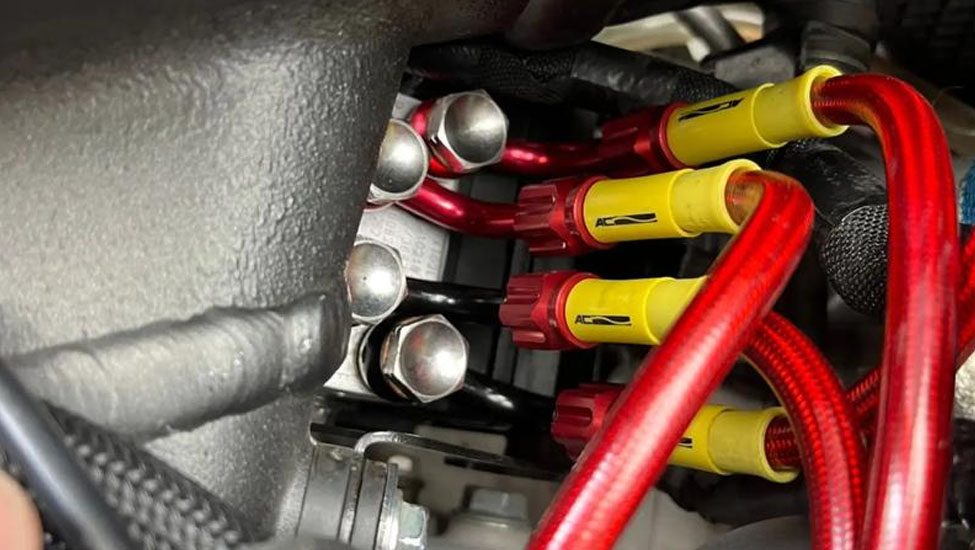
- Must Have: A durable, flexible PVC or Nylon sleeve extruded over the braid.
- Quality Check: It should be tightly fitted, not loose. It should resist tearing and be marked with information (e.g., DOT compliance). In colored lines, the color is in this sleeve.
- Absence is a Red Flag: A stainless steel braided hose sold without a protective sleeve is for show or very limited indoor use, not for real-world driving.
Have a Unique Application or Need Technical Verification?
Navigating specifications can be complex. A professional foreign trade technical team provides rapid response and is a trustworthy partner, offering everything from technical Q&A to market insights. We are here to assist. If you are sourcing for a specific vehicle model, a custom project, or need to verify if a product meets the environmental standards of your market (e.g., salt spray test reports), reach out to us. We can provide the necessary documentation and product recommendations.
Product Lineup: Matching the Product to the Application and Climate
| Product Category | Core Material | Key Feature for Corrosion | Ideal Application & Climate |
|---|---|---|---|
| Rubber Brake Line Assembly | EPDM Rubber | OEM replacement only. Minimal protection. | Dry, inland regions. Temporary fix or concours restoration where originality is key. |
| Nylon Brake Line Assembly | Reinforced Nylon | Low permeability, good external protection. | General upgrade for daily drivers in humid climates (e.g., Bangkok, Tokyo). Excellent value. |
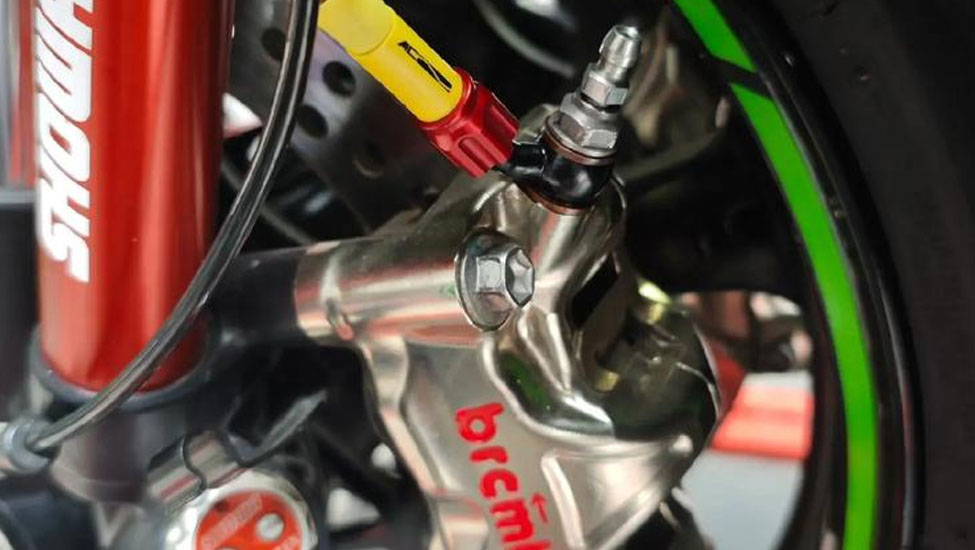
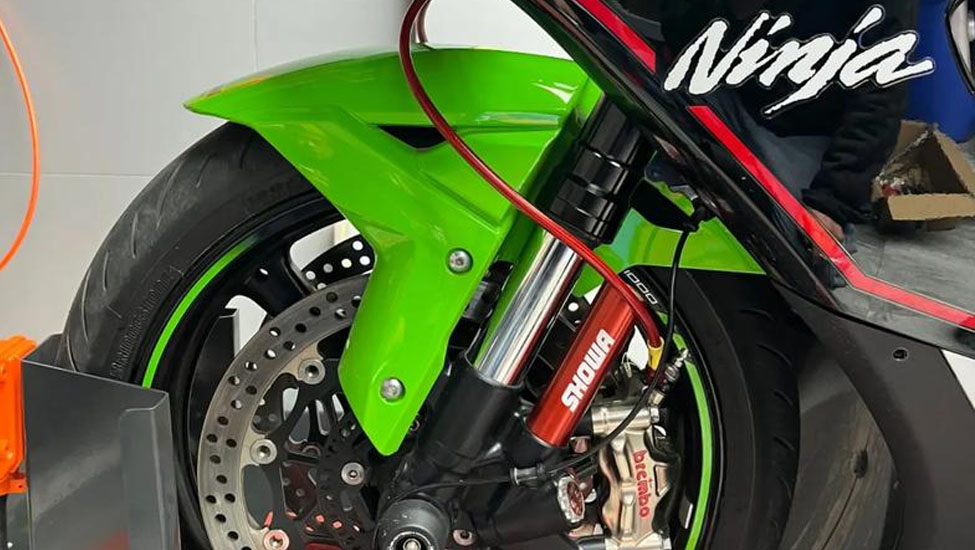
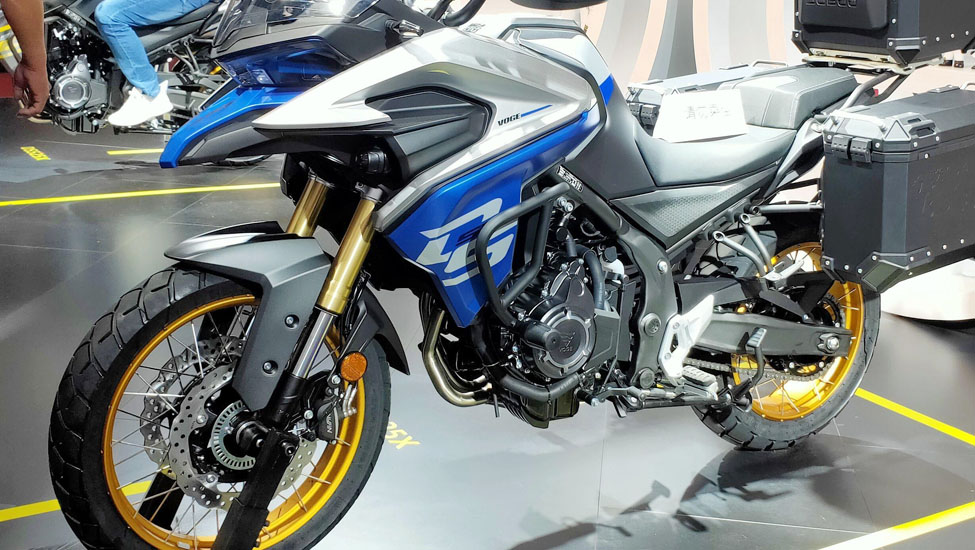
| PTFE Brake Line Assembly | PTFE (Teflon) | Impermeable core, 316 stainless options, premium fittings. | Coastal areas, deserts with salt flats, high-performance vehicles, fleets, and Motorcycle Brake Lines exposed to elements. |
Installation Tips to Maximize Corrosion Resistance
Even the best hose can fail if installed poorly.
- Use Anti-Seize Compound: Sparingly apply a high-temperature copper or nickel anti-seize to the threads of the new fittings before installation. This prevents future galvanic seizing without contaminating the brake fluid.
- Torque Correctly: Overtightening can crack the plating on fittings, creating a starting point for corrosion. Use a torque wrench.
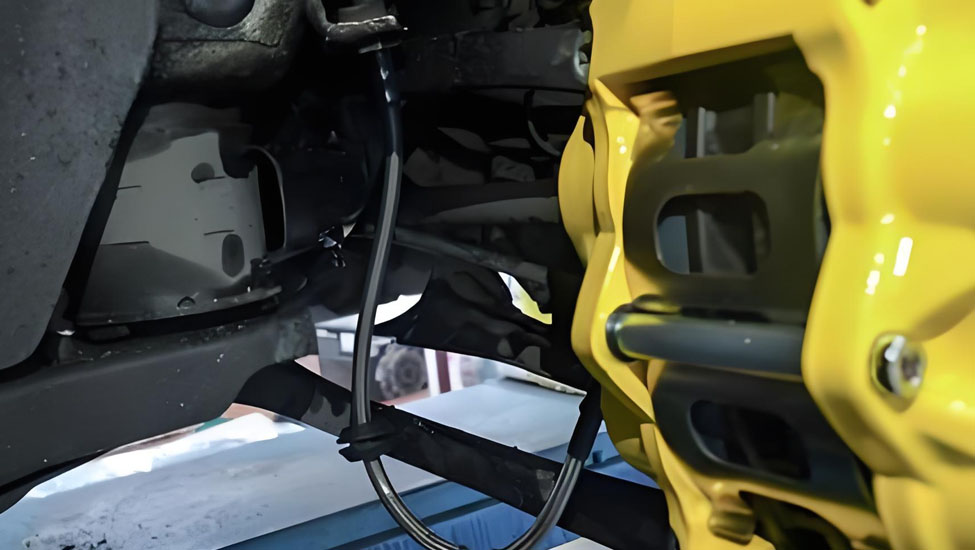
- Ensure Proper Routing: The line must not chafe against any part of the chassis. A worn-through sleeve exposes the braid.
- Flush with New Fluid: Always install new lines with fresh, high-quality brake fluid to start with a clean, protected internal system.
Our Commitment to Quality and Your Success
As a professional manufacturer, we don't just sell parts; we provide reliability solutions. Our processes are designed to deliver the consistency needed for global markets:
- Certified Quality: Our products come with multiple monitoring certifications and complete compliance documents.
- Automated Consistency: "The highly consistent quality gives our sales team great confidence..." – as noted by one of our partner CEOs. This consistency is a result of our fully automated production line.
- Supply Chain Stability: Combined with just-in-time logistics solutions, we ensure stable inventory for our partners.
By understanding corrosion and choosing brake lines engineered to defeat it, you protect your vehicle, your customers, and your reputation. For partnerships, bulk orders, or custom solutions, our team is looking forward to your arrival.