
From Constant Repairs to Zero Downtime: How a Fleet Solved Brake Corrosion with a Material Upgrade
For a logistics company operating a fleet of pickup trucks along the salt-rich coasts of the Arabian Gulf, brake line failures were a monthly occurrence. The combination of extreme heat, blowing sand, and salt spray created a perfect storm for corrosion. This case study details the problem, the root cause analysis, and the engineered solution that eliminated unscheduled maintenance and improved safety.
The Problem: A Cycle of Seized Fittings and Fluid Contamination
The fleet was experiencing two recurrent issues:
- Seized Brake Hose Fittings: During routine pad changes, mechanics couldn't remove the brake hose from the caliper or hard line. The steel fitting was fused to the aluminum caliper by galvanic corrosion. This often led to damaged calipers, extended labor time, and expensive parts replacement.
- Rapid Fluid Degradation: Brake fluid turned dark and murky within months, well before the scheduled change interval. This indicated high moisture content and internal corrosion.
The cost wasn't just in parts; it was in vehicle downtime, which directly impacted delivery schedules and client satisfaction.
Root Cause Analysis: Why the OEM Rubber Hoses Were the Weak Link
Our technical team's inspection revealed a multi-point failure:
- Material Incompatibility: The OEM rubber hoses had standard steel fittings mated directly to aluminum calipers—a classic galvanic couple.
- Moisture Ingress: The porous EPDM rubber allowed humid, salty air to permeate, introducing moisture directly into the brake fluid and accelerating internal corrosion of the hard lines and caliper pistons.
- Abrasive Wear: Sand had worn away the outer rubber cover on many lines, exposing the fabric reinforcement to further salt attack.
The standard Rubber Brake Line Assembly was not designed for this environment.
The Engineered Solution: A Full System Upgrade
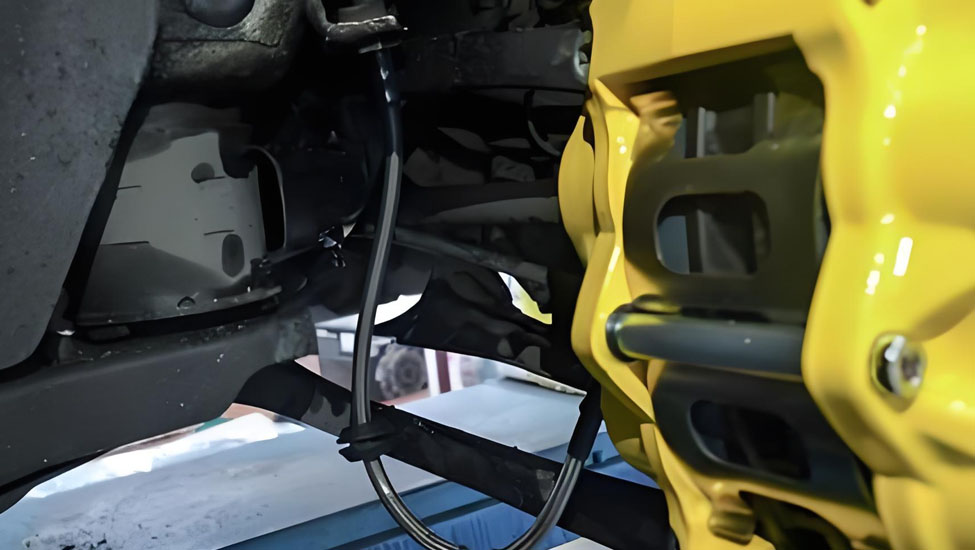
We proposed a fleet-wide standard: replacing all flexible brake lines with a purpose-built kit. The requirements were clear: maximum corrosion resistance, zero permeability, and durable external protection.
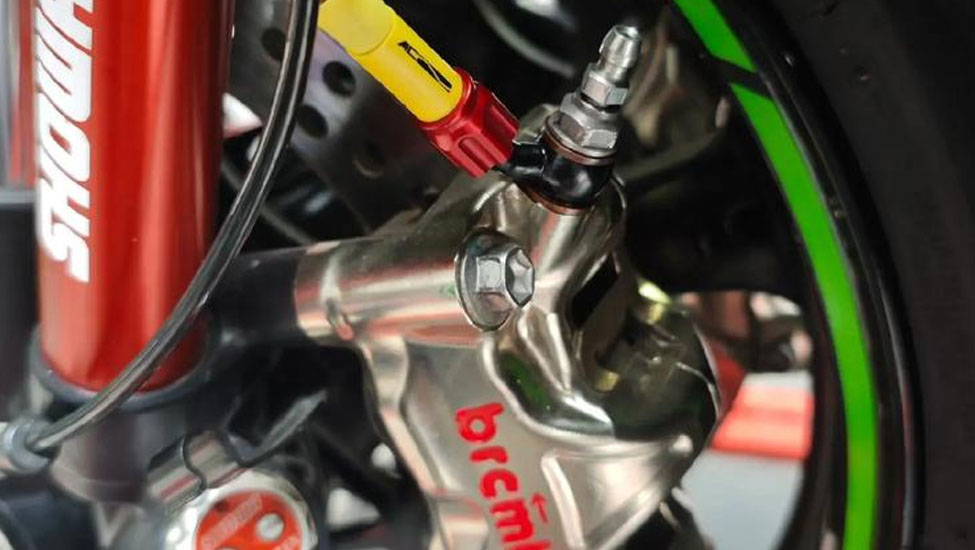
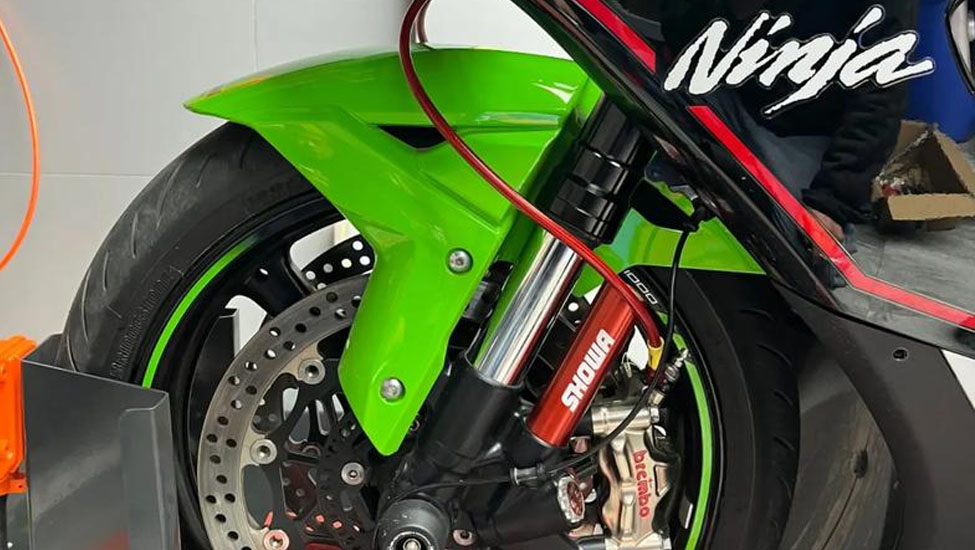
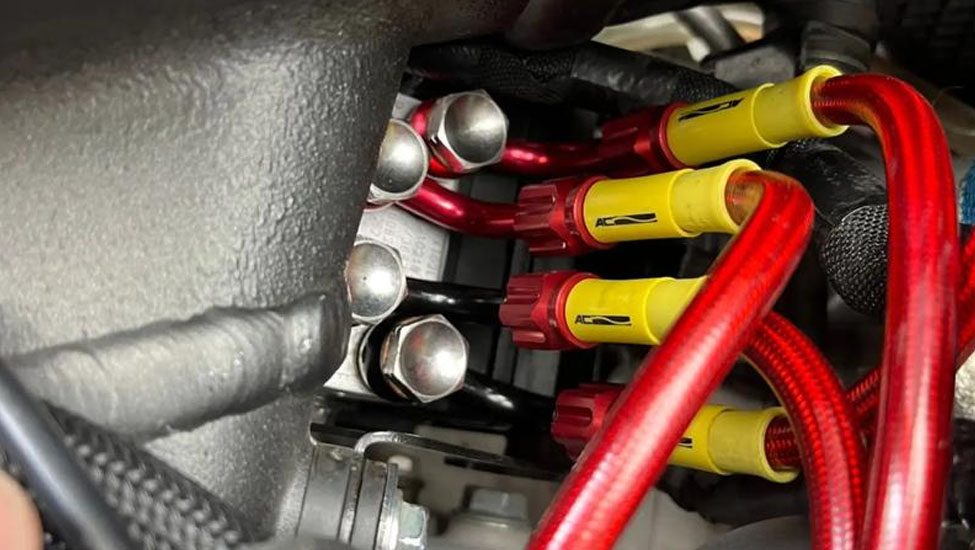
The Chosen Product: Our PTFE Brake Line Assembly kits, with the following specifications:
- Core: PTFE (Teflon) – Completely impermeable to moisture, preventing internal fluid contamination.
- Reinforcement: 316 Stainless Steel Braid – For superior salt resistance compared to standard 304.
- Fittings: Zinc-Nickel Plated Steel – Provides a robust, sacrificial barrier against galvanic corrosion with aluminum components.
- Outer Sleeve: Heavy-Duty Abrasion-Resistant PVC – To withstand sand and gravel impact.
The installation was coupled with a complete brake system flush and fluid replacement with a high-performance DOT 4 fluid.
The Results: Quantifiable Improvements After 24 Months
- Zero Brake Line Failures: In the two years following the upgrade, not a single vehicle required unscheduled brake line or fitting replacement.
- Reduced Maintenance Time: Brake pad changes became faster and simpler, as fittings could be easily removed and reinstalled.
- Cleaner Fluid: Fluid inspected at the 2-year mark remained much cleaner and clearer, indicating successful moisture barrier performance.
- ROI Achieved: The initial investment was recouped within 18 months through the elimination of corroded caliper replacements, reduced labor hours, and avoided downtime.
Why This Solution Works: The Science of Superior Materials
This case proves that the right materials make all the difference. Let's compare the options for harsh climates:
- Rubber Brake Line Assembly: The baseline. Porous, prone to cracking, with basic fittings. Not suitable for corrosive environments.
- Nylon Brake Line & Assembly: A strong upgrade. Nylon core greatly reduces moisture permeation. Good for general use in humid climates. A cost-effective step up from rubber.
- Teflon Brake Line & PTFE Brake Line Assembly: The professional/industrial grade. PTFE's impermeability is key for fluid system longevity. Combined with high-grade stainless steel (like 316) and advanced plating, it offers the highest level of corrosion protection for the most demanding applications.
Need a Corrosion Solution for Your Fleet or Harsh Environment?
Our brake lines are made of high-quality materials and undergo multi-layer reinforcement processes, passing rigorous testing to give you peace of mind. We operate a fully automated production line, supporting individual customization. If you are battling corrosion in your fleet or market, we can develop a tailored solution. Contact our technical team to discuss your specific challenges. We can provide samples, technical data sheets, and volume pricing.
Preventative Maintenance Schedule for Corrosive Climates
For those in salt-air or high-humidity regions, adhere to this strict schedule:
- Quarterly Visual Check: Quick inspection for visible salt crust, abrasion, or damage to the outer sleeve.
- Annual Detailed Inspection & Fluid Test: Use a brake fluid tester to check moisture content. Inspect all fittings for white corrosion residue. This is the time to plan upgrades.
- Biannual Undercarriage Wash: In seasonal salt-use areas, thoroughly rinse the undercarriage, including brake components, at the end of the season.
- Proactive Replacement at 4-5 Years (Rubber) / 8-10 Years (Braided): Don't wait for failure. The cost of an upgrade is far less than the cost of a corrosion-related breakdown.