
The Science Behind the Line: Material Comparison and How It Affects Brake Diagnostics
To truly master brake line diagnostics, you need to understand what you're looking at. The symptoms of a failing hose—spongy pedal, drag, leaks—are often the same, but the root cause lies in the material science of the hose itself. This article dives deep into the construction of common brake lines, from OEM rubber to performance braided kits, explaining how each material's strengths and weaknesses dictate its failure modes and, consequently, the optimal inspection and replacement strategy.
Deconstructing the Brake Hose: A Cross-Sectional Analysis
A brake hose is a composite structure. Its performance and failure points are determined by the materials used in its three key layers.
| Layer | Standard Rubber Hose (EPDM/NBR) | Reinforced Nylon Hose | PTFE Braided Stainless Steel Hose |
|---|---|---|---|
| Inner Tube (Fluid Contact) | Ethylene Propylene Diene Monomer (EPDM) or Nitrile Rubber (NBR). Flexible but can degrade, swell, and delaminate from brake fluid and heat. | Reinforced Nylon. Excellent chemical resistance, low permeability. More dimensionally stable than rubber. Used in our Nylon Brake Line products. | Polytetrafluoroethylene (PTFE/Teflon®). Inert, non-stick, chemically resistant. Cannot absorb fluid or delaminate. The core of our Teflon Brake Line. |
| Reinforcement (Strength) | Textile mesh (e.g., polyester). Can rot if moisture penetrates the outer cover. | High-tensile synthetic fiber or aramid braid. Very strong for its weight. | Multiple sheaths of high-tensile 304 or 316 stainless steel braid. Provides immense burst strength and limits expansion. |
| Outer Cover (Protection) | Additional layer of EPDM rubber. Protects against abrasion, ozone, and UV. Prone to cracking with age. | Often a durable, abrasion-resistant nylon or PVC blend. | The stainless steel braid is the structure. Often has a colored PVC sleeve (clear, black, etc.) for extra protection and aesthetics. |
Connecting Material Failure to Diagnostic Symptoms
This table explains how the material limitations lead to the common problems you diagnose.
| Diagnosed Symptom | Likely Material Failure in a RUBBER Hose | Why it's UNLIKELY in a PTFE/BRAIDED Hose |
|---|---|---|
| Spongy Pedal (after bleeding) | Hose "ballooning" under pressure. The rubber expands, absorbing fluid displacement instead of moving the piston. | The steel braid limits expansion to <2**. provides="" a="" firm="" immediate="" pedal="" a="" pre-assembled="" a="" href="/PTFE-Brake-Line-Assembly/" title="PTFE Brake Line Assembly">PTFE Brake Line Assembly kit ensures this performance. |
| Brake Drag (One Wheel) | Internal delamination. The inner rubber tube collapses, acting as a one-way check valve. | The seamless PTFE inner core cannot delaminate. The smooth bore ensures unrestricted return flow. |
| External Cracking/Weeping | Outer EPDM cover degraded by ozone, UV, and heat. A sign a Rubber Brake Line Assembly is due for replacement. | Stainless steel is immune to ozone/UV degradation. An outer PVC sleeve protects the braid from physical damage. |
| Sudden Burst/Failure | Progressive failure of the textile reinforcement due to abrasion, corrosion, or age, leading to a weak spot. | Extremely high burst pressure (often >4,000 psi). Failure typically requires catastrophic external damage. |
The Strategic Upgrade: Choosing Based on Diagnosis and Application
Your diagnostic findings should guide the replacement, not just to fix the issue but to prevent its recurrence.
Application: Daily Driver / Fleet Vehicle (Found: Age-Related Cracking)
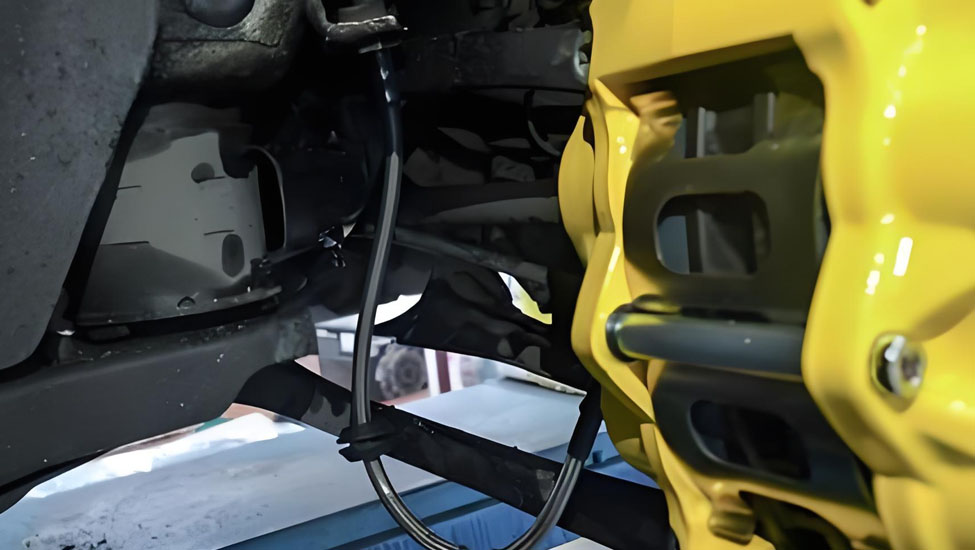
Smart Fix: Replace with a Nylon Brake Line Assembly. It offers a better lifespan than rubber for a moderate price increase. It's a robust, cost-effective upgrade for commercial vehicles.
Why it's better: Nylon resists the environmental factors (heat, ozone, salt) that caused the original rubber to crack, leading to a longer service interval and reduced downtime.
Application: Performance Car / Enthusiast Vehicle (Found: Spongy Pedal or Proactive Upgrade)
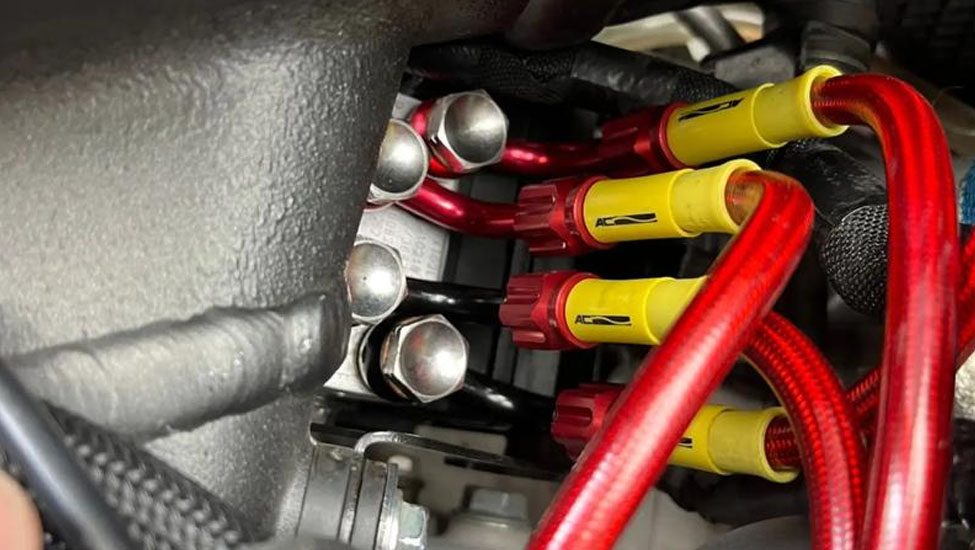
Definitive Fix: Install a full vehicle PTFE Brake Line Assembly kit. This is the standard for motorsport and high-performance driving.
Why it's better: It directly solves the "ballooning" issue, giving you the precise, firm pedal feel that improves modulation and control. The durability is a bonus.
Application: Motorcycle (Any Issue or Preventive Maintenance)
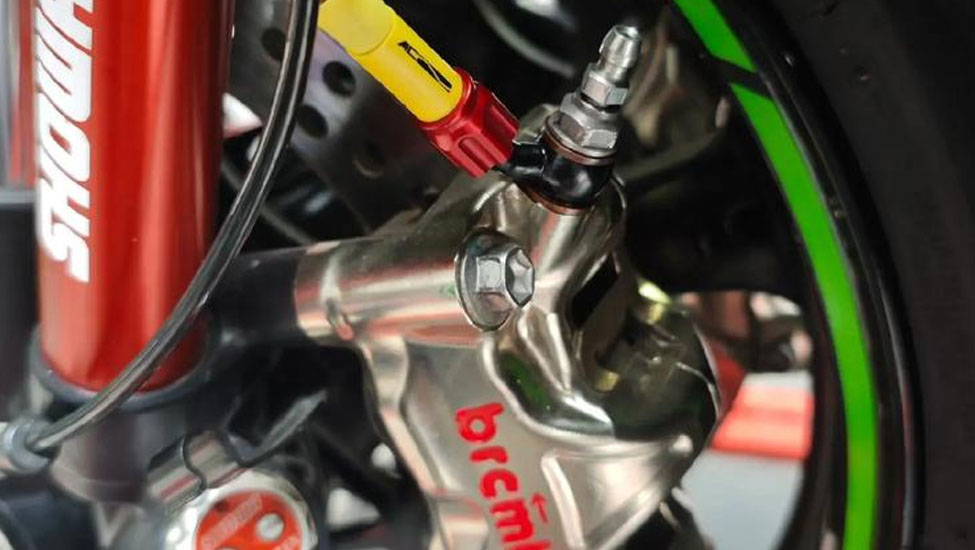
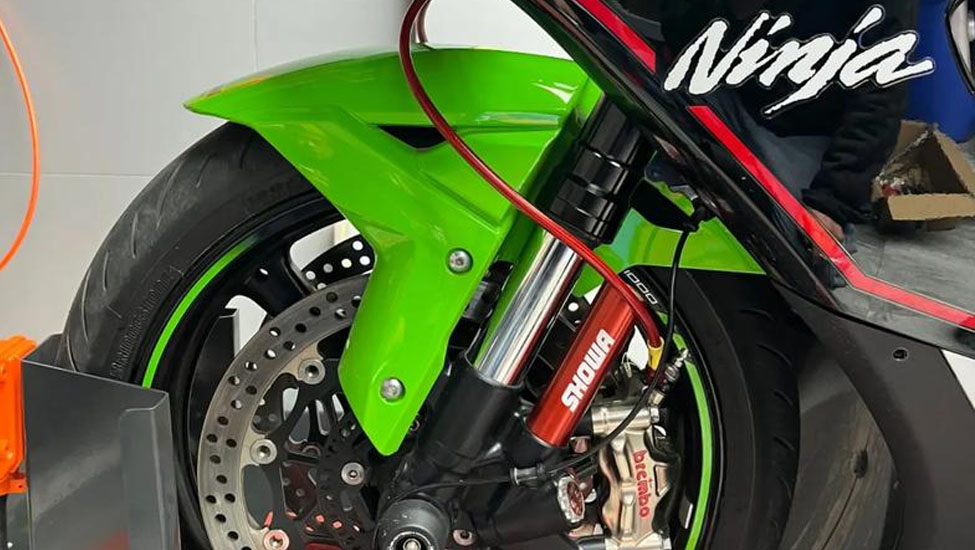
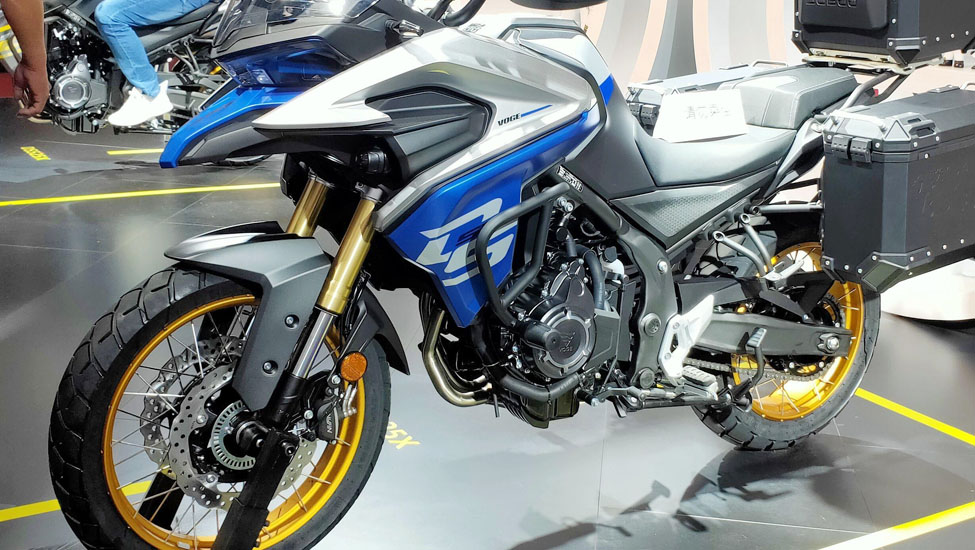
Highly Recommended Fix: Upgrade to specific Motorcycle Brake Lines. Motorcycles benefit immensely from braided lines due to their exposed placement and the critical importance of lever feel.
Why it's better: Improved lever feel and responsiveness are immediately noticeable. The braided line's resistance to abrasion from handlebar movement and environmental exposure is a major safety benefit.
Factory Direct Support for Your Technical Decisions
Selecting the right brake line technology is a key technical decision. As a factory with multiple monitoring certifications and complete compliance documents, we provide the quality and documentation you need to serve global markets confidently.
Need help selecting between Nylon, PTFE, or a custom solution? Contact our professional foreign trade technical team. We provide rapid response, from technical Q&A to market insights. Send us your application details or old part samples, and we'll recommend the optimal material and configuration.
FAQ: Material Choices and Performance
Q: Is a nylon hose a good middle ground between rubber and braided stainless?
A: Yes, absolutely. For applications where extreme pressure performance isn't critical but environmental durability is, a Nylon Brake Line is an excellent choice. It's widely used in OEM industrial and automotive applications.
Q: Are all braided brake lines the same?
A: No. Quality varies by the density of the braid, the quality of the PTFE core, and the fittings. Our lines use high-quality materials and undergo multi-layer reinforcement processes, passing rigorous testing to ensure consistent performance and safety.
Q: Can I mix rubber and braided lines on the same vehicle?
A: Technically yes, but it's not recommended. You will have inconsistent pedal feel and expansion characteristics between axles. For best results, replace all flexible lines as a matched set.