
The Material Science of Stopping: A Deep Dive into Nylon vs. PTFE Brake Line Performance
Choosing an upgrade often comes down to a decision between two advanced materials: Reinforced Nylon and PTFE (Teflon). Both are vast improvements over rubber, but their performance profiles cater to different needs and budgets. Let's move beyond marketing terms and look at the measurable data and real-world implications for tuners in Southeast Asia, the Middle East, and beyond.
Head-to-Head: The Critical Performance Metrics
We test our lines rigorously. Here’s how they stack up where it counts.
1. Hydraulic Expansion (The "Pedal Feel" Number)
This is the most important spec for driver feedback, measured in volume expansion per unit of pressure (e.g., ml/1000 psi).
- OEM Rubber Hose: High expansion (~1.5-3.0 ml/1000psi). The source of the vague, long pedal.
- Reinforced Nylon Hose: Moderate expansion (~0.5-1.2 ml/1000psi). A 60-80** improvement. The pedal is noticeably firmer and more repeatable. Our Nylon Brake Line is engineered for the low end of this range.
- PTFE + Stainless Braid: Exceptionally low expansion (<0.2 ml="" 1000psi="" this="" is="" as="" close="" to="" zero="" as="" it="" gets="" commercially="" the="" hydraulic="" response="" is="" instantaneous="" providing="" unmatched="" pedal="" modulation="" and="" consistency="" this="" is="" the="" benchmark="" set="" by="" our="" a="" href="https:///teflon-brake-line/" title="Teflon Brake Line">Teflon Brake Line.
2. Temperature & Environmental Warfare
Your local climate dictates which material's strengths matter most.
- Extreme Heat (Middle East, Track Use):
- Nylon: Good for continuous temps up to ~135°C, with higher peak tolerance. Suitable for most street performance.
- PTFE (Teflon): The undisputed champion. Rated from -70°C to +260°C. It will not soften, swell, or degrade under any brake system temperature. This makes a PTFE Brake Line Assembly mandatory for track cars and vehicles in extreme desert climates.
- Humidity, Salt, & Chemicals (Coastal Asia, Africa):
- Both materials have excellent chemical resistance compared to rubber. However, PTFE is completely inert. It will not absorb moisture or react with any fluid, making it the ultimate choice for corrosion resistance from the inside out.
- Abrasion & Impact (Off-Road, Gravel):
- Nylon has a very tough outer jacket.
- The stainless steel braid on a PTFE line is in a different league. It acts as a cut and abrasion-resistant shield. For rock crawling or adventure riding, this extra layer of defense is invaluable.
Cost vs. Benefit Analysis: Making the Smart Choice
This isn't about "good vs. bad," but "right tool for the job."
When to Choose a Nylon Brake Line Assembly:
- Budget-Conscious Performance: You want a massive improvement over rubber without the peak cost of PTFE.
- Harsh Environment Daily Driving: For off-road SUVs, work trucks, or vehicles in sandy/dusty areas where abrasion is the main concern.
- Moderate Performance Street Cars: For turbocharged sedans, hot hatches, and weekend canyon runners where improved feel is desired, but absolute peak track performance is not required.
When to Choose a PTFE Brake Line Assembly (Stainless Braided):
- Track, Competition, or High-Performance Driving: The firm pedal and consistency are non-negotiable for lap times and safety.
- Extreme Climate Operation: Vehicles consistently operated in desert heat or bitter cold.
- Maximum Durability Demands: For hardcore off-road racing, overland expeditions, or any application where the line might see physical impact.
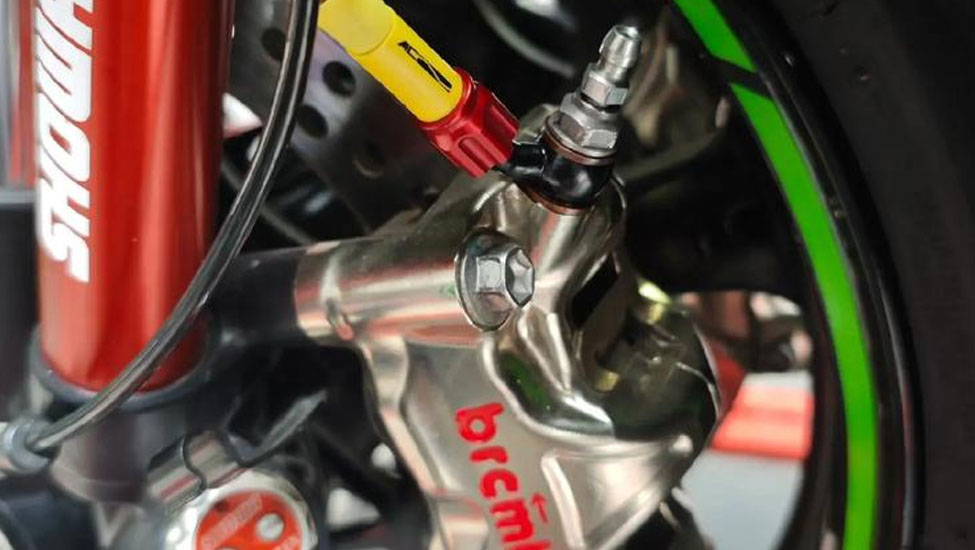
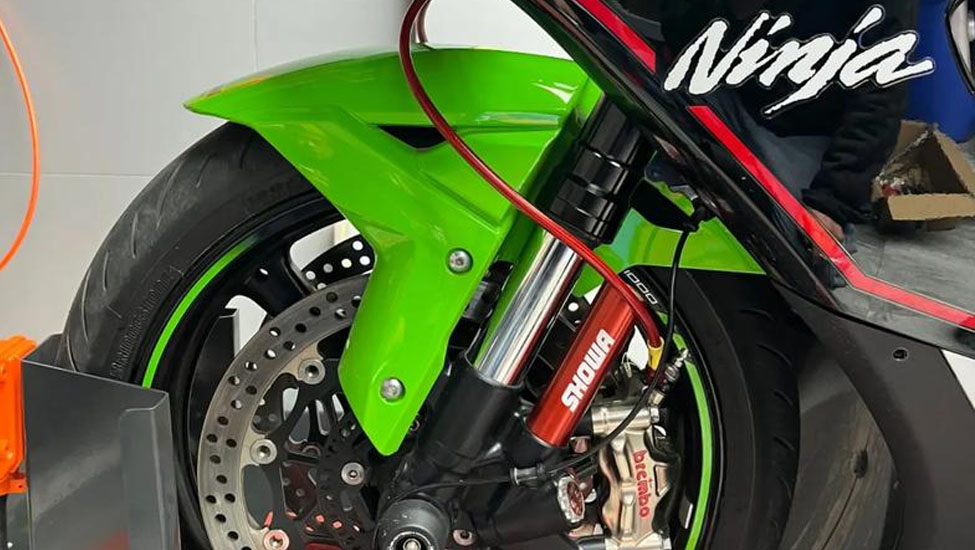
- Motorcycles, Especially Sport Bikes: The weight savings, precise feel, and durability of braided brake lines are considered essential upgrades.
- "Buy Once, Cry Once" Philosophy: You want the best possible component that will last the life of the vehicle.
The Installation Imperative: No Kinks, No Problems
The best hose in the world will fail if installed poorly. The rules are simple but critical:
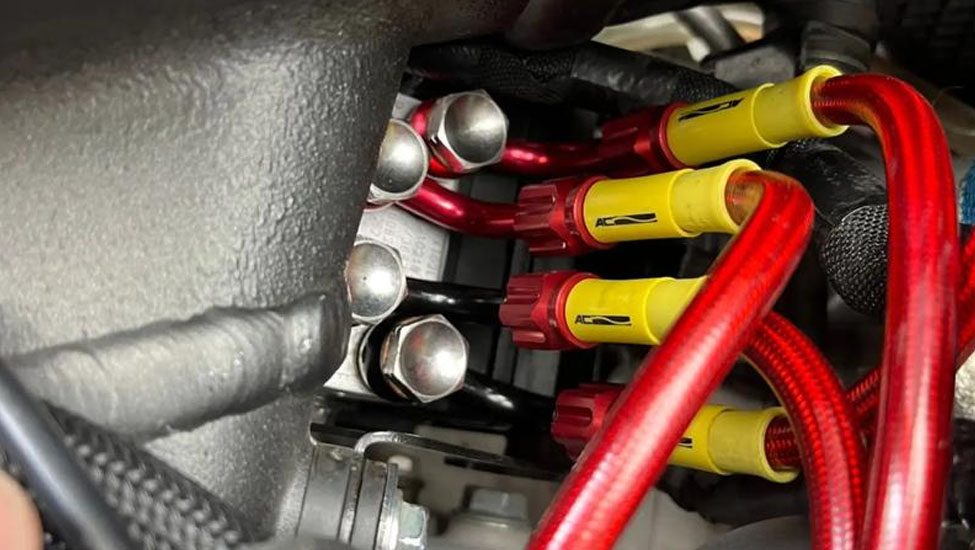
- No Kinking: Especially for PTFE lines. Bend with a radius at least 6x the hose diameter. Use proper tools or our pre-made, pre-bent assemblies.
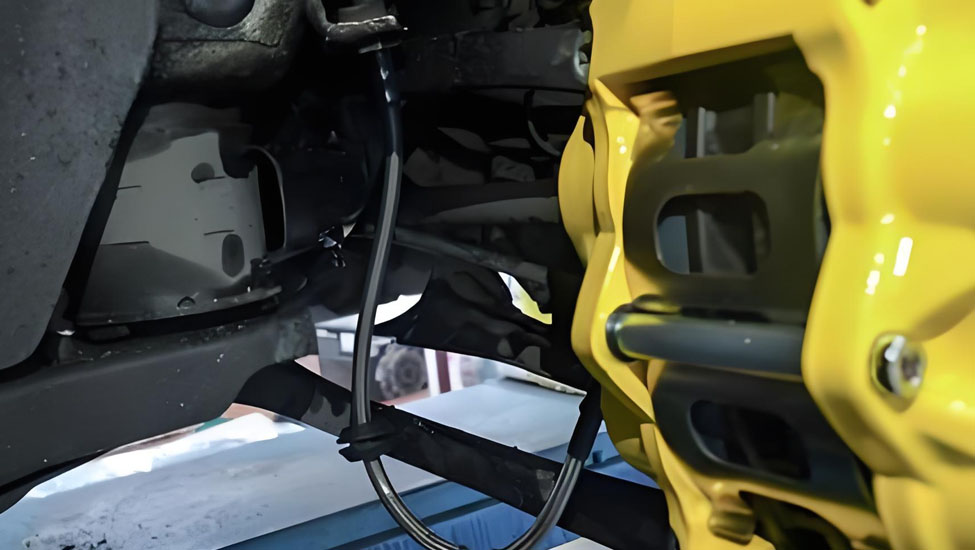
- Correct Routing & Clearance: Ensure at least 1/2 inch of clearance from all moving parts, exhaust, and sharp edges. Use all supplied mounting brackets.
- Torque, Don't "Gutentight": Use a torque wrench on fittings. Typical banjo bolt spec is 20-30 Nm (15-22 ft-lbs).
- Flush with New Fluid: Always perform a complete brake system flush with high-quality fluid (DOT 4 or 5.1) after installation. This protects your entire investment.
Need Help Specifying the Right Line for Your Climate and Use?
Driving a modified car in Dubai's heat? Off-roading in Thailand? The optimal choice between a durable nylon line and a top-tier Teflon braided line depends on these factors. Tell us your vehicle details, modifications, and typical use. We'll provide a clear, unbiased recommendation to ensure you get the performance and durability you need. Contact us for a tailored specification.