
Diagnosing a Sticking Brake Caliper: Causes, Symptoms, and Preventative Measures
A sticking brake caliper is a common but potentially dangerous issue faced by drivers, modifiers, and workshop technicians worldwide, from the humid climates of Southeast Asia to the dusty roads of Africa. This guide explains why calipers stick, how to identify the problem, and the role of your entire brake system, including the often-overlooked brake lines.
Primary Causes of a Brake Caliper Failing to Release
A caliper that doesn't retract properly creates constant friction, leading to premature wear, overheating, and poor fuel economy.
1. Seized or Corroded Caliper Slide Pins and Bushings
This is the most frequent cause. The pins that allow the caliper to float must slide freely. Lack of lubrication, dirt ingress, or corrosion (accelerated in coastal or salted-road environments) can cause them to bind. Regular cleaning and greasing with high-temperature silicone grease during brake service is crucial.
2. Collapsed or Degraded Brake Hose (The "Check Valve" Effect)
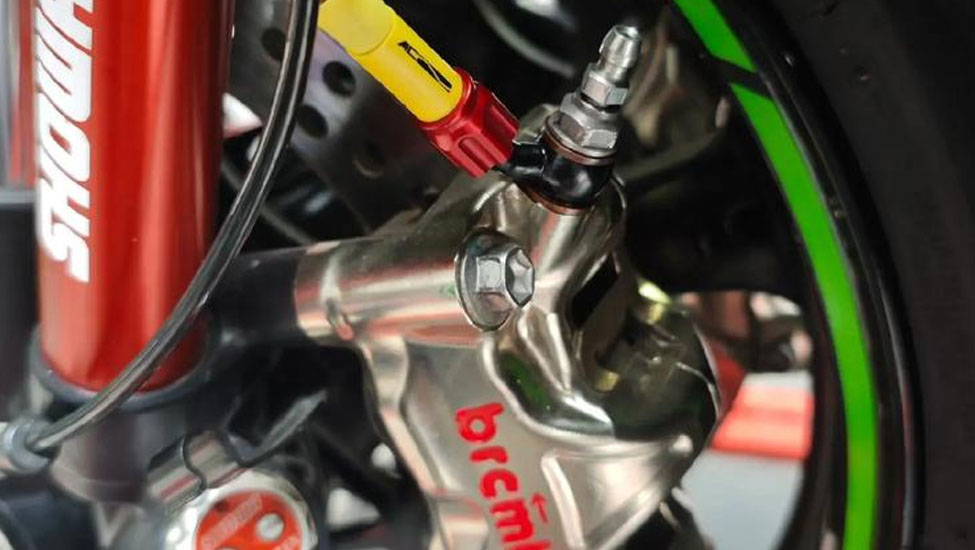
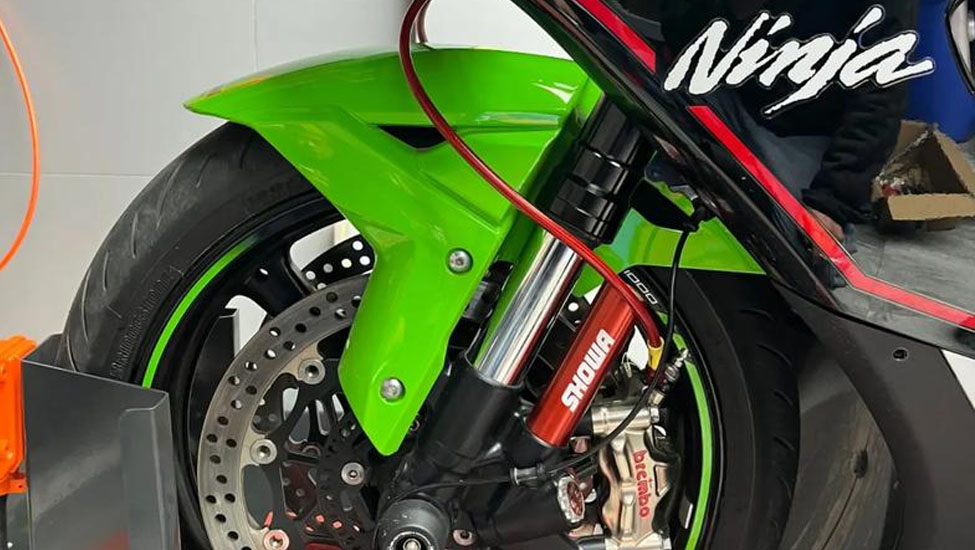
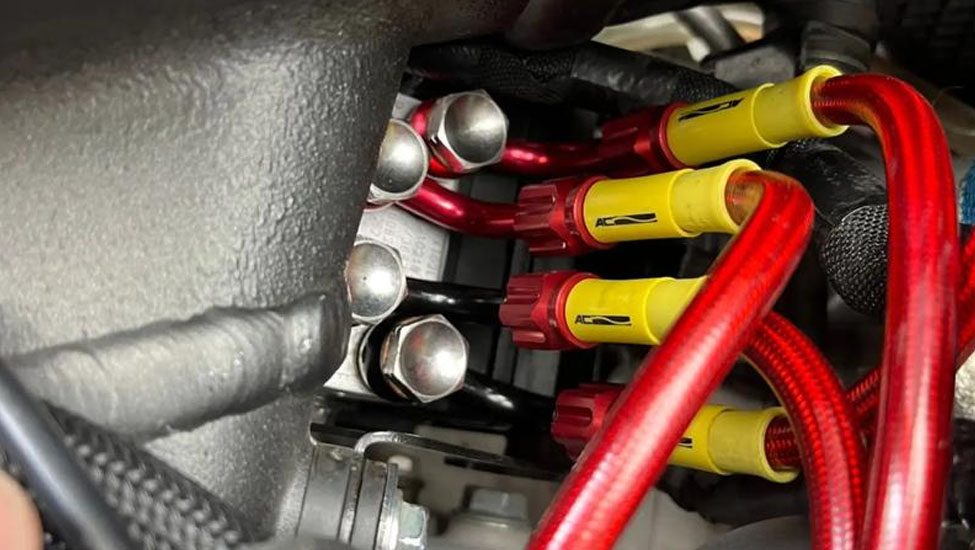
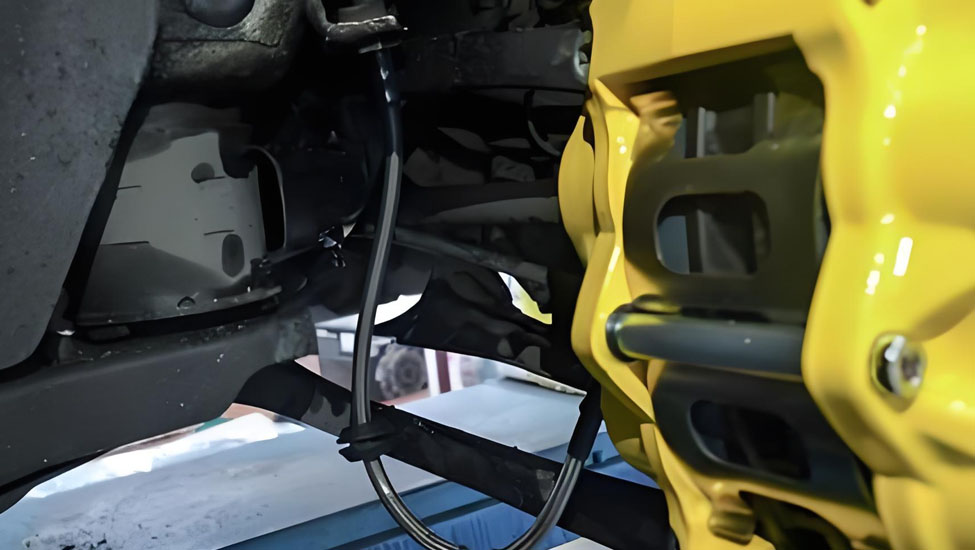
This is a critical and often-misdiagnosed cause. A brake hose has a multi-layer construction. The inner tube can deteriorate and delaminate, acting like a one-way check valve. It may allow pressure to apply the brake but then trap that pressure, preventing the caliper piston from fully retracting. This internal failure is not always visible externally. A soft, bulging Rubber Brake Line Assembly is a prime suspect, but even older nylon lines can suffer from this. Upgrading to a Stainless Steel Braided Brake Line with a PTFE core eliminates this risk, as the PTFE inner liner is seamless and highly resistant to internal degradation and swelling.
3. Stuck or Corroded Caliper Piston
Dirt, moisture, or aged brake fluid can cause corrosion on the piston bore, preventing it from retracting smoothly. This highlights the importance of using quality brake fluid and changing it regularly.
4. Faulty Master Cylinder
Rare, but possible. A failing master cylinder may not allow fluid to return from the caliper, maintaining residual pressure.
How to Diagnose a Sticking Caliper
1. Drive and Feel: After a short drive without heavy braking, feel each wheel. A sticking caliper will make that wheel hub significantly hotter than the others.
2. Visual Inspection: Look for uneven pad wear. The inner pad on the affected side will often be more worn.
3. Hydraulic Test: With the vehicle safely elevated and the wheel off, have an assistant press and release the brake pedal. The caliper piston should move out and then retract slightly. If it doesn't retract, the issue could be the hose or the caliper itself.
Unsure if your sticking brake issue is caused by a caliper, a hose, or something else? Understanding the entire system is key. If you suspect a brake hose issue or are considering an upgrade, contact our technical team. For custom applications, sending us a picture or description of your setup can help us recommend the right solution.