
Diagnosing a Frozen Pedal: The 5 Core Reasons Brake Fluid Stops Flowing & How to Fix It
Few sensations are as alarming as pressing the brake pedal and meeting solid resistance, with little to no slowing of the vehicle. This "hard pedal" or complete loss of braking indicates a critical failure in the hydraulic system where brake fluid cannot flow to apply the calipers. For mechanics, fleet managers, and enthusiasts from the bustling cities of Southeast Asia to the vast deserts of the Middle East, understanding these failure modes is the first step to a safe and reliable repair. Let's break down the five primary culprits, from the most common to the most insidious.
1. Air in the System: The Invisible Compressible Block
The Science: Brake fluid is incompressible, which is why it efficiently transmits force. Air, however, is highly compressible. When air is introduced into the closed hydraulic system—through a poor bleed, a leak that sucks in air, or fluid boiling—the pedal travel is consumed compressing the air pocket instead of moving fluid to the calipers.
Symptoms & Diagnosis:
A spongy, low-feeling pedal that may pump up firmer after a few strokes. You may also hear a gurgling sound. Diagnosis involves a thorough visual inspection for leaks followed by a meticulous pressure or vacuum bleed of the entire system.
2. Master Cylinder Failure: The Heart Stops Pumping
The Science: The master cylinder is the hydraulic pump of your brake system. Internal seals (primary and secondary cups) can wear out, tear, or the piston itself can corrode and seize in its bore. When this happens, it cannot generate the hydraulic pressure needed to move fluid, or it allows fluid to bypass internally.
Symptoms & Diagnosis:
A pedal that slowly sinks to the floor under constant pressure, or a complete loss of pedal with a full reservoir. Bench bleeding a new or rebuilt master cylinder before installation is critical to prevent introducing air.
3. Internally Collapsed or Degraded Flexible Hose
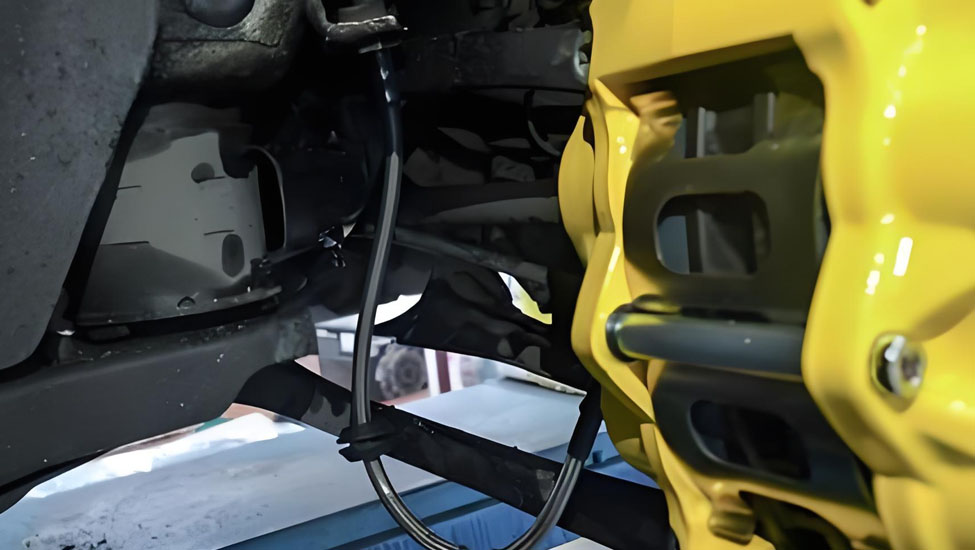
The Science: This is a frequent and dangerous failure point, especially with traditional Rubber Brake Line Assemblies. The inner rubber tube can delaminate from its reinforcement. Under pressure, a flap of this lining can act as a one-way check valve, allowing pressure to apply the brake but completely blocking the return flow. In severe cases, it can block flow entirely, causing a sudden, one-sided brake loss.
Symptoms & Diagnosis:
Vehicle pulls to one side during braking. Perform the "two-person test": have someone hold steady brake pressure while you observe the hose. Any abnormal bulging indicates internal failure. The definitive fix is replacement.
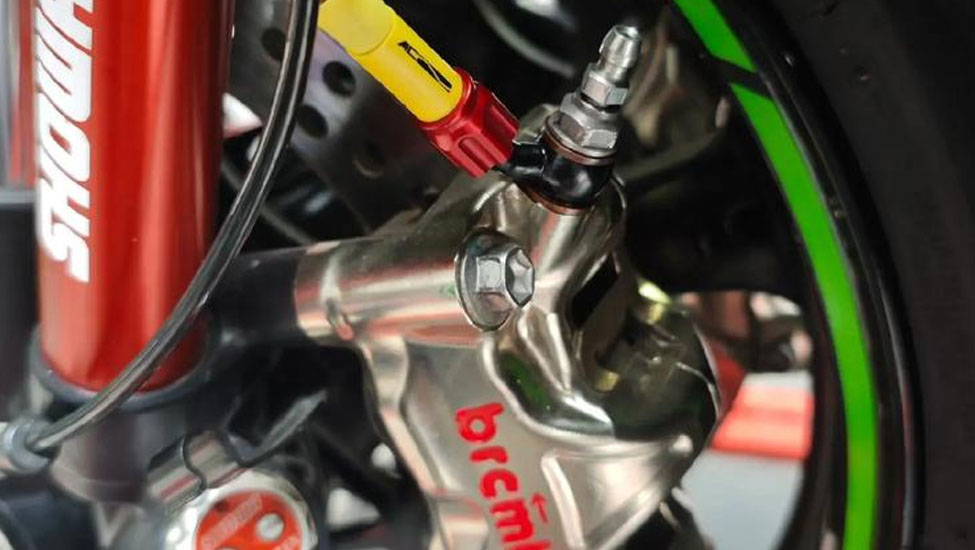
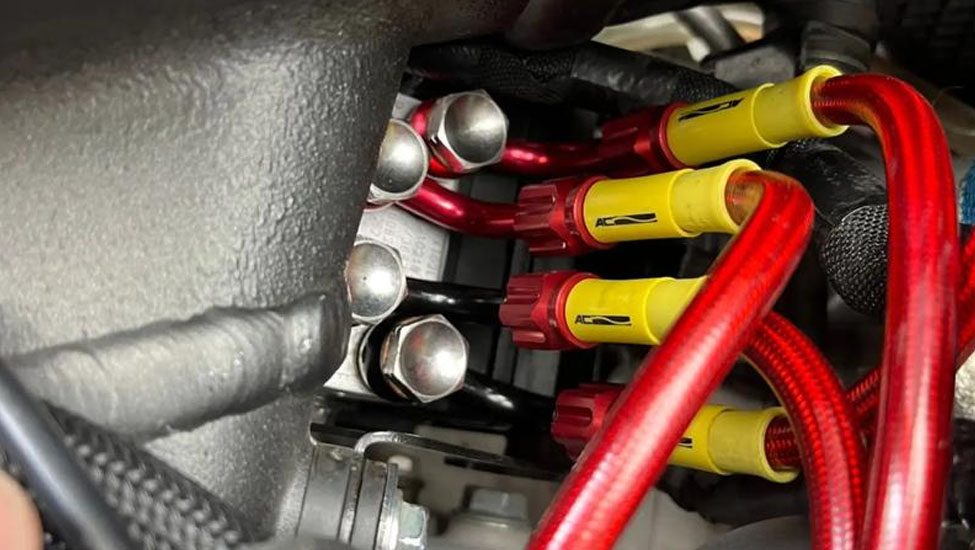
The Upgrade Solution: This failure is virtually eliminated by upgrading to a braided line. A PTFE Brake Line Assembly uses a Teflon inner core that cannot delaminate, and the stainless steel braid prevents expansion. For a durable daily driver upgrade, a Nylon Brake Line Assembly offers far superior burst strength and longevity over rubber.
Not sure which hose type fits your vehicle or performance needs? We specialize in precise fitment for global markets. Send us a picture of your old hose or your vehicle's make/model, and we'll provide the correct kit.
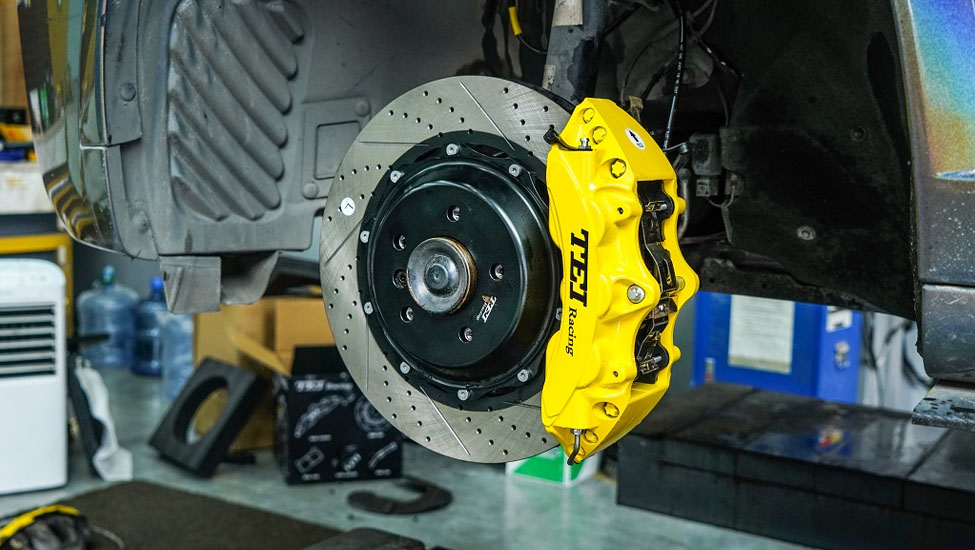
4. Seized Caliper Piston or Stuck Slider Pins
The Science: Fluid can reach the caliper, but if the piston is frozen in its bore by corrosion or the caliper body is stuck on its slider pins, it cannot move to clamp the rotor. This is rampant in regions using road salt (Japan, Korea) or with coastal humidity.
Symptoms & Diagnosis:
Dragging brake, uneven pad wear, excessive heat from one wheel, and often a vehicle pull. The solution involves disassembly, cleaning, lubricating with high-temp grease, or caliper replacement.
5. Severely Contaminated or Frozen Brake Fluid
The Science: Brake fluid is hygroscopic. Over 1-2 years, it can absorb enough moisture to dramatically lower its boiling point (causing vapor lock under hard use) and become acidic. In freezing climates, this water can actually freeze inside the lines, creating a physical ice block. The contaminated fluid can also turn to sludge, impeding flow.
Symptoms & Diagnosis:
Spongy pedal when hot (vapor lock), poor overall performance, or in extreme cold, a completely blocked pedal. Check the fluid in the reservoir; it should be clear/amber, not dark brown or black. The fix is a complete system flush with new, high-quality DOT 4 or 5.1 fluid.
FAQs: Addressing Fluid Flow Concerns
Q: How often should I replace my brake hoses to prevent these issues?
A: For rubber hoses, inspect annually and replace every 4-5 years as preventative maintenance, especially in harsh climates. High-quality braided brake lines (PTFE or Nylon) typically last the life of the vehicle but should be inspected for external damage to the stainless steel braid every 2 years.
Q: Will upgrading to stainless steel braided hoses really make my brakes safer?
A: Yes, by directly addressing a key failure mode (#3 above). They replace the most vulnerable component—the flexible hose—with one that is far more resistant to internal degradation, external damage, and expansion. This provides predictable, consistent pedal feel, which is a core element of safety.
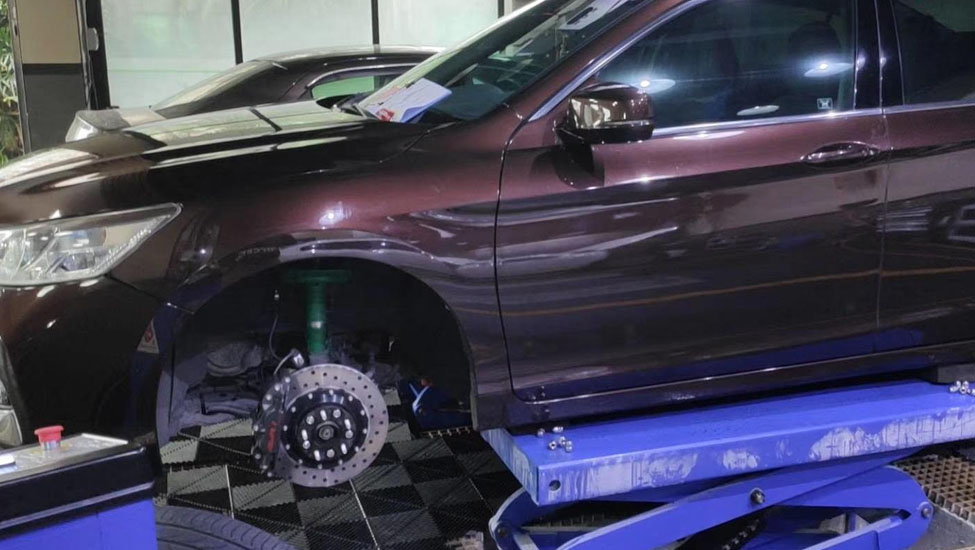
Q: I have a modified car with a big brake kit. Do you have lines that will fit?
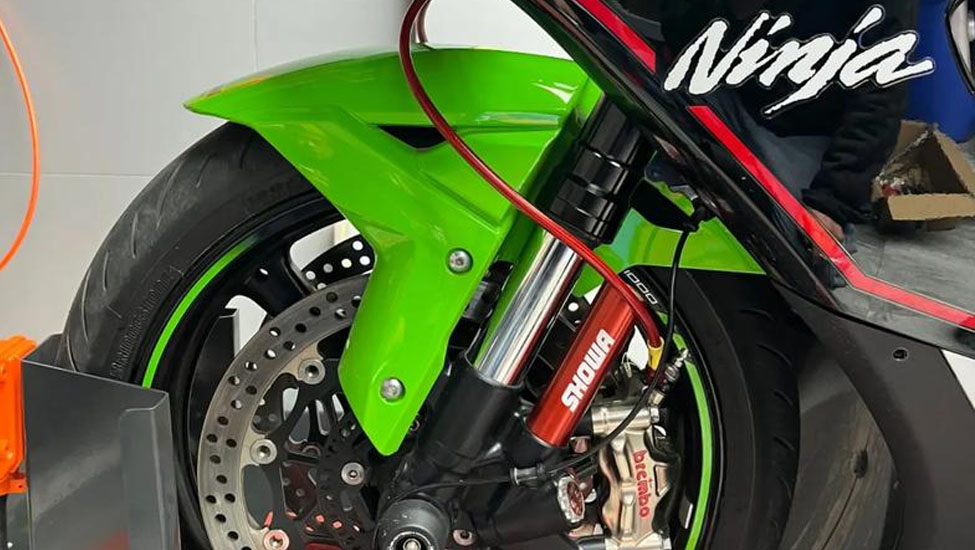
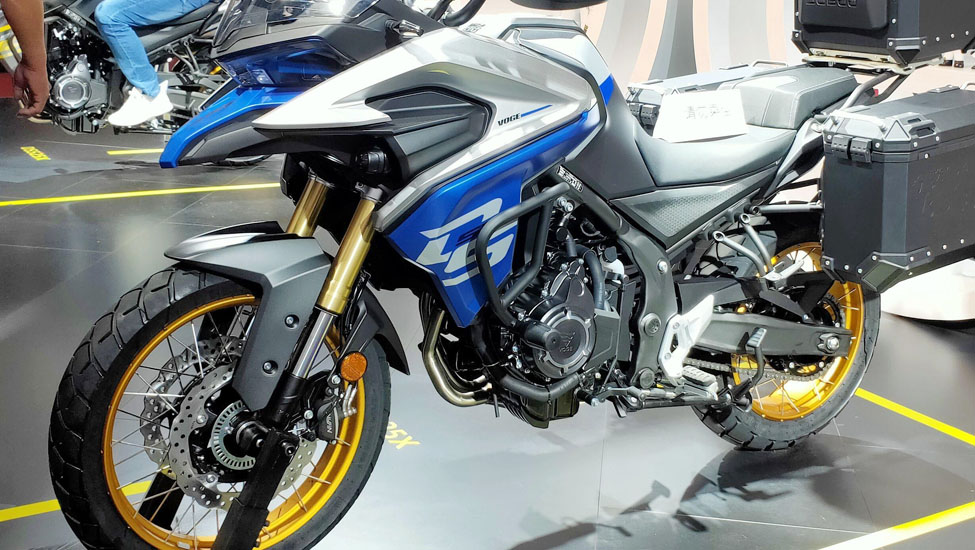
A: Absolutely. Custom applications are our specialty. We manufacture Teflon Brake Lines and other performance hoses to exact specifications. Provide us with technical drawings, measurements, or even the old line, and we'll craft a perfect, safe replacement. This applies to Motorcycle Brake Lines as well, which are critical for control and safety on two wheels.