
Motorcycle Brake Hose Service Life: Rubber, Nylon and PTFE Brake Lines Compared
When choosing a replacement motorcycle brake hose, many buyers focus on price, appearance or fitting size. For a long-term replacement, however, hose material and construction deserve more attention.
Rubber, nylon and PTFE-based brake hose constructions have different characteristics. The correct choice depends on the motorcycle, brake system, operating environment and intended use.
There is also no material that can be described as the best choice for every motorcycle.
How Brake Hose Material Affects Service Life
A brake hose is exposed to hydraulic pressure, temperature changes, vibration and environmental conditions throughout its service life.
The inner tube needs to remain compatible with brake fluid, while the reinforcement and outer covering need to provide suitable mechanical protection.
Operating Environment Matters
Motorcycles used in Southeast Asia, coastal areas, deserts and other demanding environments may experience different hose aging conditions.
Heat, humidity, UV exposure, dust and road contamination should all be considered when selecting a hose.
Rubber Brake Hose
Rubber remains a common brake hose material because it provides good flexibility and is suitable for many original vehicle applications.
Our Rubber Brake Line Assembly can be produced according to the required hose length, fitting type and assembly configuration.
Advantages of Rubber Brake Hose
- Good flexibility
- Suitable for many OEM-style applications
- Cost-effective
- Easy to route
- Available in different specifications
What Causes Rubber Hose Aging?
Rubber can gradually age due to heat, oxygen, UV exposure, ozone, brake fluid compatibility and mechanical stress.
Cracking, swelling, hardening or visible deterioration are signs that the hose should be inspected.
Nylon Brake Hose
Nylon brake hose is another polymer-based hose option used for selected fluid and hydraulic applications.
Our Nylon Brake Line is available for projects where a specific nylon hose construction is required.
For customers requiring complete hose assemblies, our Nylon Brake Line Assembly can be configured according to the application.
Why Consider Nylon?
Nylon hose constructions can provide a useful combination of flexibility, chemical resistance and mechanical properties depending on the exact polymer and design.
However, the specific nylon grade and construction should always be confirmed for the intended brake fluid, temperature and pressure conditions.
PTFE and Teflon Brake Lines
PTFE is widely used in demanding fluid applications because of its chemical resistance and temperature characteristics.
Our Teflon Brake Line products are designed for customers looking for PTFE-based brake hose solutions.
For complete assemblies, we also supply Teflon Brake Assembly solutions according to the required fittings and dimensions.
Why Is PTFE Used in Performance Brake Lines?
PTFE has a low-friction surface and good chemical resistance. In reinforced brake hose construction, the PTFE inner tube can be combined with an external reinforcement layer to create a compact hydraulic hose assembly.
The final performance still depends on the complete hose design, reinforcement, fittings and installation.
Does a Stainless Steel Braided Hose Last Longer?
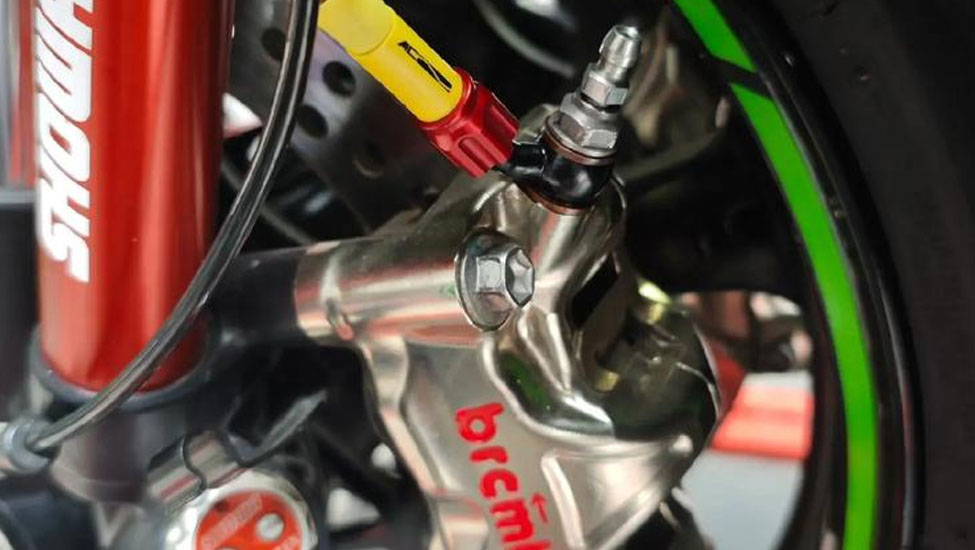
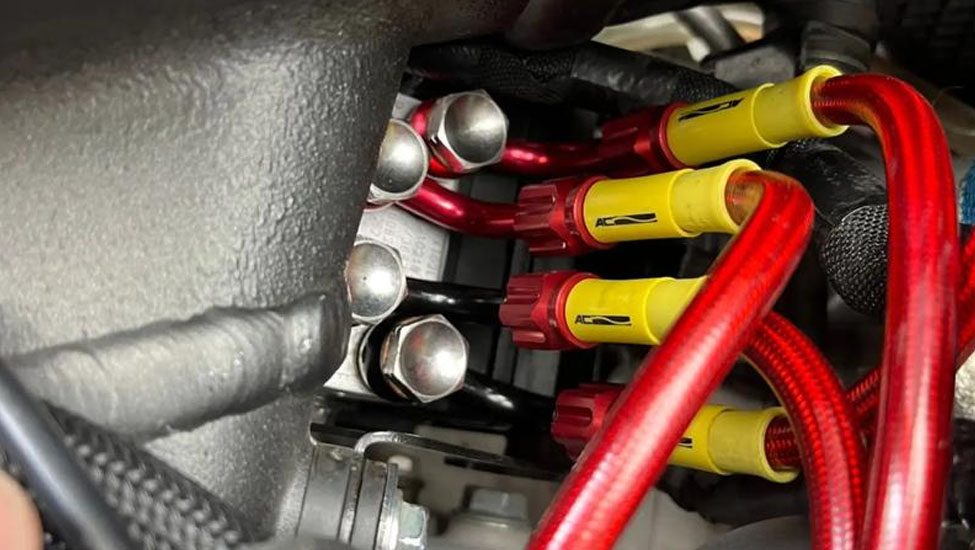
Stainless steel reinforcement can provide mechanical support around the inner hose and is widely used in aftermarket and performance brake hose construction.
However, reinforcement alone does not determine service life.
The inner tube, braid quality, fitting assembly, outer protection and operating environment all influence durability.
Why Outer Protection Matters
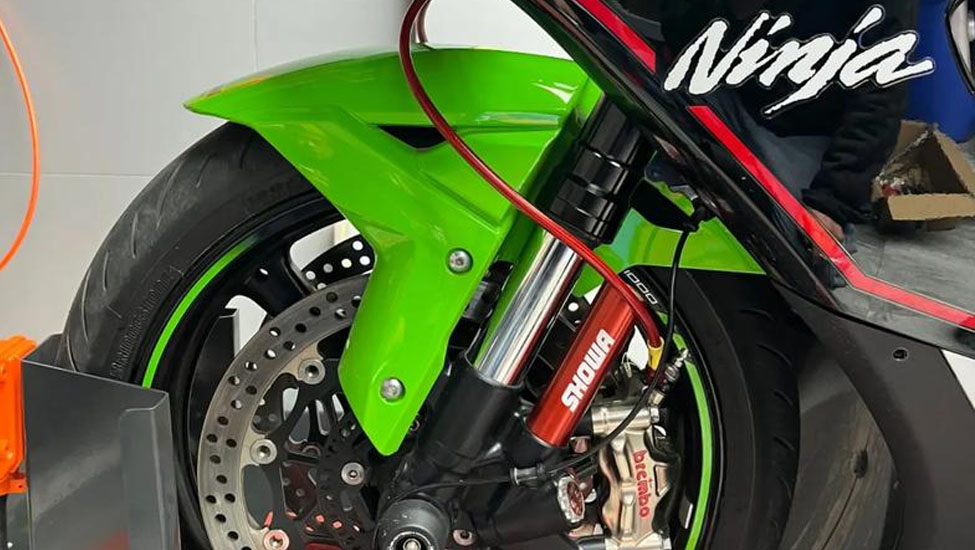
In some motorcycle applications, the hose may pass close to painted frames, forks or other components.
An appropriate outer covering can help reduce abrasion and protect surrounding surfaces, depending on the product design.
How to Choose a Motorcycle Brake Hose
1. Confirm the Motorcycle Model
Start with the exact motorcycle model and year where possible.
2. Check the Original Hose
Photographs and measurements of the original hose can help identify the required length and fitting arrangement.
3. Confirm the Fittings
Do not select a hose based only on the hose diameter. The fitting type, thread and sealing method also need to match the braking system.
4. Measure the Correct Length
The hose should have enough length for normal steering and suspension movement without excessive slack.
5. Check the Routing
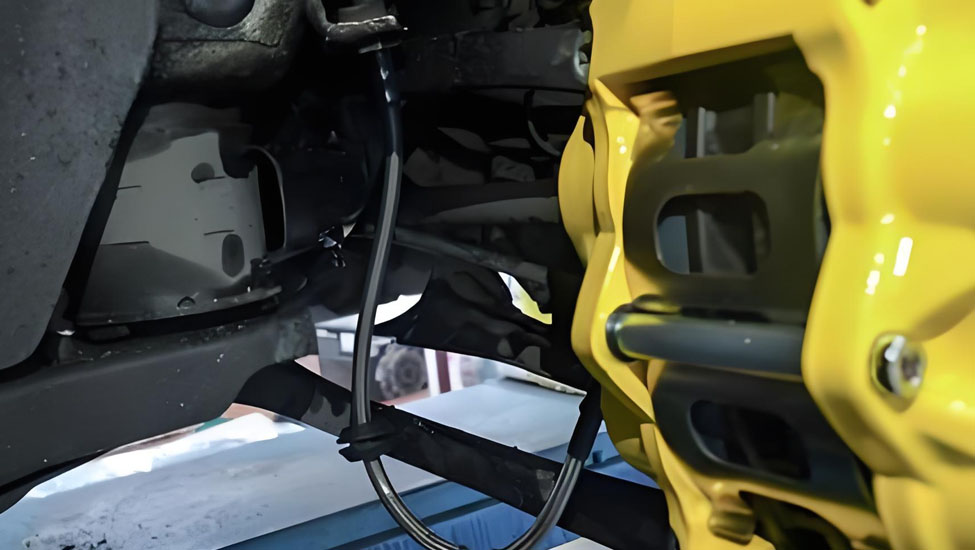
Make sure the hose does not contact the tyre, brake disc, sharp edges or other moving components.
6. Consider the Environment
For motorcycles exposed to high temperatures, rain, humidity, UV radiation or off-road conditions, the hose construction and outer protection should be selected accordingly.
How Long Should a Motorcycle Brake Hose Last?
There is no universal service-life number that applies to all rubber, nylon or PTFE brake hoses.
A quality hose installed correctly can provide years of service, but its actual life depends on operating conditions and the manufacturer's specification.
Instead of replacing a hose only because of its age, combine scheduled maintenance with regular physical inspection.
When to Replace a Motorcycle Brake Hose
- The hose has visible cracks.
- The hose shows abnormal swelling.
- Brake fluid is leaking.
- The outer reinforcement is damaged.
- The hose has severe abrasion.
- Fittings are damaged or corroded.
- The hose has been contaminated or physically damaged.
- The hose no longer meets the manufacturer's requirements.
Maintenance Tips for Motorcycle Brake Lines
Inspect the Hose During Brake Service
Whenever brake pads, discs or fluid are serviced, take a moment to inspect the brake hose and fittings.
Check After Modification
Handlebar, fork and caliper modifications can change hose movement and routing.
Do Not Ignore Abrasion
A hose that repeatedly contacts another component can deteriorate even when the hose material itself is suitable.
Use the Correct Brake Fluid
Always use the brake fluid type specified by the motorcycle manufacturer. Fluid compatibility is an important consideration when selecting brake hose materials.
What Overseas Buyers Look for in Motorcycle Brake Hoses
For wholesalers, distributors and motorcycle workshops, product selection often goes beyond material alone.
Common purchasing considerations include:
- Stable product quality
- Consistent dimensions
- Fitting accuracy
- Custom hose lengths
- Different fitting angles
- Small-batch sample development
- OEM and aftermarket production capability
- Packaging requirements
- Repeatable production specifications
Custom Motorcycle Brake Hose Manufacturing
Our factory focuses on brake hose manufacturing for aftermarket, replacement and customized applications.
Our product range includes PTFE Brake Line Assembly, Nylon Brake Line Assembly, Rubber Brake Line Assembly and other customized brake hose products.
We can discuss hose material, reinforcement structure, length, fitting type, fitting angle and assembly requirements according to the project.
If you have a drawing, original hose or fitting sample, send it to us. This is usually the fastest way to confirm the required specification before production.
Contact Us for Custom Motorcycle Brake Hose
FAQ: Motorcycle Brake Hose Life and Selection
How many years does a motorcycle brake hose last?
There is no fixed service life for every motorcycle brake hose. Material, operating temperature, UV exposure, humidity, brake fluid, installation and usage conditions all affect service life.
Is PTFE brake hose better than rubber?
PTFE and rubber have different material characteristics. PTFE-based reinforced hoses are often considered for performance and demanding fluid applications, while rubber remains suitable for many OEM-style applications.
How often should motorcycle brake lines be inspected?
Brake lines should be visually inspected as part of routine brake maintenance and whenever the motorcycle has been modified or the brake system behaves differently.
Can I replace a rubber brake hose with a PTFE brake line?
It may be possible for a suitable application, but the replacement must match the motorcycle's fittings, hose dimensions, pressure requirements, brake fluid compatibility and routing.
Are braided brake lines suitable for all motorcycles?
Not automatically. A braided brake line must be correctly specified for the particular motorcycle, including hose length, fittings, thread, angle and routing.
Can a brake hose be made according to a sample?
Yes. An original hose sample, technical drawing or clear photographs with measurements can help a manufacturer determine the required hose and fitting configuration.