
Motorcycle Brake Hose Buying Guide: Size, Fittings, Material and Installation
Buying a motorcycle brake hose should start with specifications, not appearance. A hose that looks correct may still have the wrong length, fitting thread or connection angle.
For motorcycle manufacturers, distributors, repair shops and modification companies, understanding the basic specifications can make brake hose purchasing much easier.
What Specifications Should You Check Before Buying a Brake Hose?
1. Hose Length
Measure the actual installation distance between the two connection points.
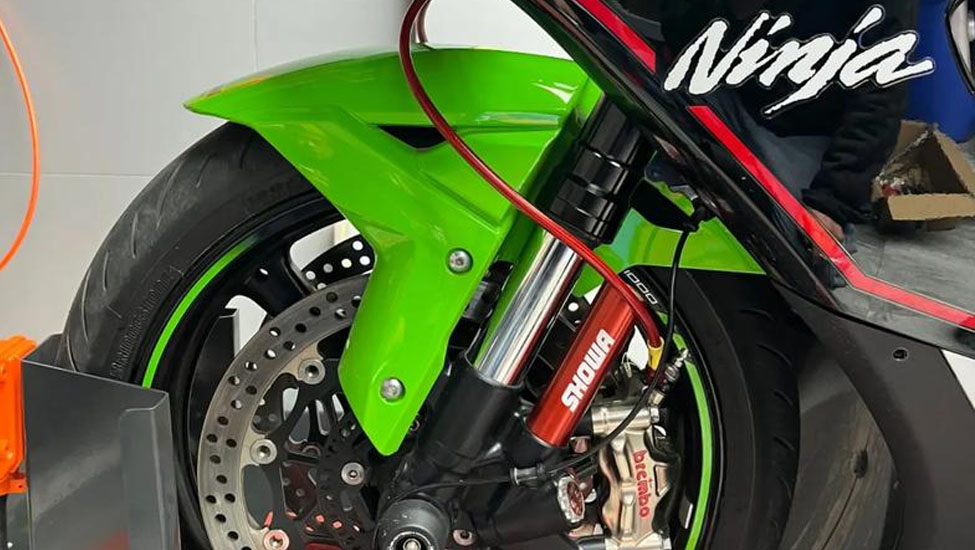
When measuring a motorcycle front brake hose, remember that the handlebar and suspension move. The hose must have enough length for normal movement without excessive slack.
2. Hose Material
The material should be selected according to the operating environment, pressure requirements, flexibility and intended application.
3. Fitting Type
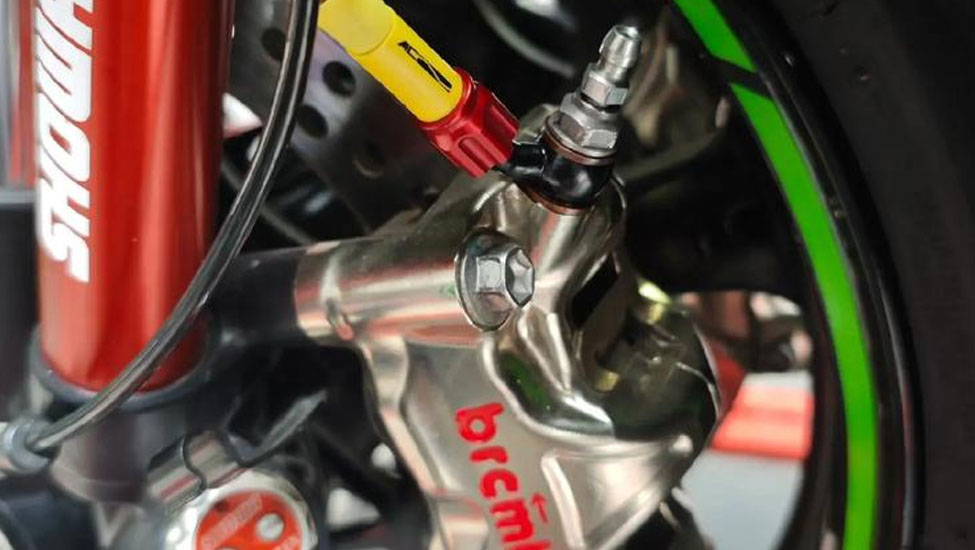
Confirm whether the application requires a banjo, straight fitting, angled fitting or another connection configuration.
4. Thread Specification
Thread specification should be confirmed separately from hose size. Two brake hose assemblies that appear similar may use different connection threads.
5. Fitting Angle
A correct fitting angle can make a major difference to final hose routing. It can help reduce twisting and excessive bending after installation.
Understanding Motorcycle Brake Hose Construction
Inner Tube
The inner tube is the part that carries the brake fluid. Material selection should take into account fluid compatibility, temperature and pressure requirements.
Reinforcement Layer
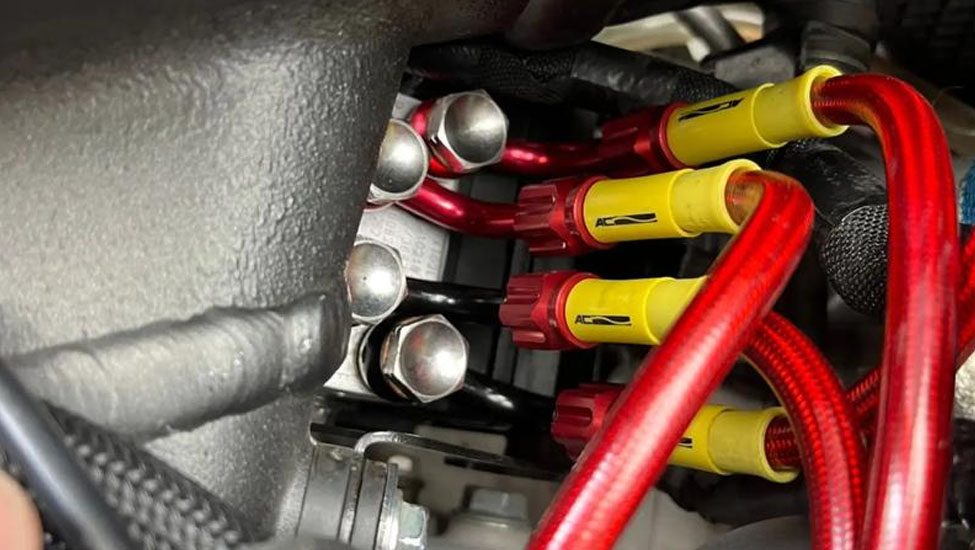
A reinforced hose can provide additional mechanical strength and protection. Stainless steel braid is commonly used in performance brake hose construction.
Outer Protection
Depending on the application, an outer protective coating can be used to reduce abrasion and protect the reinforcement layer.
Why does hose construction matter?
The brake hose is exposed to hydraulic pressure, vibration, movement and environmental conditions. The complete construction should therefore be selected according to the application rather than price alone.
PTFE Brake Line for Motorcycle Applications
PTFE is commonly used in performance brake hose construction because of its chemical resistance and smooth internal surface.
Teflon Brake Line
Our Teflon Brake Line is designed for customers looking for a PTFE-based hose solution for demanding hydraulic applications.
PTFE Brake Line Assembly
For customers who require a finished assembly, our PTFE Brake Line Assembly can be produced with customized hose length and fitting configurations.
Typical applications
- Performance motorcycles
- Modified motorcycles
- Aftermarket brake systems
- Motorsport applications
- Custom hydraulic brake systems
If you have a special fitting or installation requirement, send us the drawing or sample. We can review the specification before production.
Contact us for a custom PTFE brake line
Nylon Brake Line: When Should You Consider It?
Nylon hose can be considered for applications where flexibility and lightweight construction are important.
Nylon Brake Line
Our Nylon Brake Line is available for different customized applications.
Nylon Brake Line Assembly
Our Nylon Brake Line Assembly combines the hose with the required end fittings for customers who need a complete assembly.
Before ordering nylon hose, confirm:
- Temperature requirements
- Pressure requirements
- Brake fluid compatibility
- Required flexibility
- Hose length
- Fitting configuration
Material should always be selected according to the technical requirements of the application.
Rubber Brake Line Assembly for Standard Applications
Rubber brake hose remains widely used in conventional brake systems. It offers flexibility and can be a practical solution for standard replacement applications.
Our Rubber Brake Line Assembly can be manufactured according to customer requirements.
When is rubber a good choice?
- Standard replacement
- Original-equipment style applications
- General motorcycle applications
- Cost-sensitive projects
If you have an original rubber hose that needs to be reproduced, send us the sample or drawing and we can review the required configuration.
Contact us for a custom rubber brake line assembly
How to Check Motorcycle Brake Hose Compatibility
Check the Original Hose
Before ordering, take clear photos of both ends of the original hose and record the total length.
Check the Connection Points
Identify where the hose connects to the master cylinder, caliper, ABS components or other hydraulic components where applicable.
Check the Fitting Thread
Thread size and pitch should be confirmed instead of relying only on the motorcycle model.
Check the Hose Route
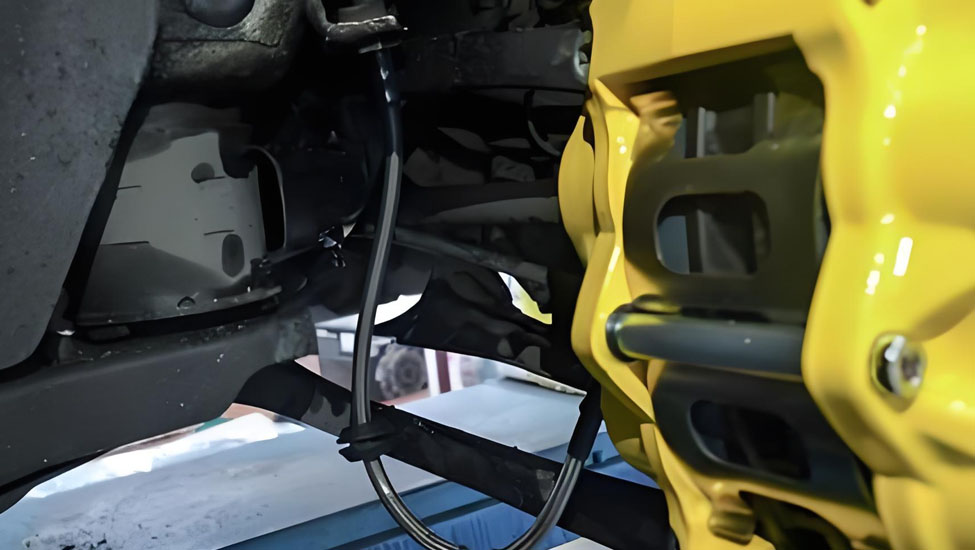
Observe how the original hose passes around the fork, frame and other components.
Check Movement
On motorcycles, make sure the hose has sufficient freedom for steering and suspension movement.
Common Motorcycle Brake Hose Buying Mistakes
Choosing Only by Hose Appearance
Color and outer appearance do not tell you whether the hose has the correct construction or fittings.
Ordering Only by Motorcycle Model
The same motorcycle model can sometimes have different brake configurations depending on model year, market, ABS system or aftermarket modifications.
Ignoring the Fitting Angle
A correct hose with an incorrect fitting angle may be difficult to install or may result in poor routing.
Using the Wrong Hose Length
Too short can create tension. Too long can create unnecessary loops and clearance problems.
Brake Hose Installation Tips
Avoid Twisting the Hose
The fitting should be positioned correctly before tightening. Avoid forcing the hose into position by twisting it.
Keep Away From Sharp Edges
Use suitable routing and protection where the hose passes near sharp or abrasive surfaces.
Keep Away From Excessive Heat
Where possible, avoid routing the hose close to exhaust components or other high-temperature areas.
Bleed the Brake System Correctly
After brake hose replacement, the hydraulic system should be properly bled according to the vehicle manufacturer's procedure. Air trapped in the system can cause an abnormal or soft brake lever.
Brake Hose Maintenance Guide
Inspect Regularly
Check for cracking, abrasion, leakage, deformation and damaged fittings.
Inspect After Modification
Recheck the hose whenever the motorcycle's handlebar, fork, brake caliper, master cylinder or suspension is changed.
Clean the Hose Area
A clean hose makes it easier to identify fluid leakage and physical damage.
Replace Damaged Hoses
A brake hose with serious structural damage or leakage should be replaced with a suitable assembly rather than temporarily repaired.
Our Main Brake Hose Product Range
We manufacture brake hose products for motorcycles, scooters, passenger cars, modified vehicles and other applications.
Our main products include Teflon Brake Line, Nylon Brake Line, PTFE Brake Line Assembly, Nylon Brake Line Assembly and Rubber Brake Line Assembly.
Motorcycle and Automotive Applications
We also provide customized solutions for Motorcycle Brake Lines, Scooter Brake Lines, Car Brake Lines, Modified Car Oil Pipe and SUV Brake Lines.
Looking for a product that is not listed?
If you have a special hose, fitting or assembly requirement, send us the drawing, sample, dimensions or installation photos. We can discuss the required specification with you.
Contact our brake hose factory
Frequently Asked Questions
How often should a motorcycle brake hose be replaced?
There is no universal replacement period for every motorcycle. Follow the manufacturer's recommendations and inspect the hose regularly. Replace the hose if there is leakage, cracking, severe abrasion, deformation or other visible damage.
Does upgrading a motorcycle brake hose improve safety?
A properly designed and correctly installed reinforced brake hose can provide good mechanical protection and stable hose construction. However, overall braking safety depends on the complete braking system and installation.
Is a PTFE brake line suitable for every motorcycle?
No. The hose material, fittings, length and routing must match the actual motorcycle and brake system.
Can you make brake lines according to drawings?
Yes. We can review customer drawings, original hose samples, fitting samples and dimensions for customized brake hose production.
Can you manufacture small customized orders?
Production requirements depend on the specific product and configuration. Send us the required specification and quantity so we can review the project.
Conclusion
Selecting a motorcycle brake hose is mainly a matter of matching the right material, construction, length and fittings to the actual application.
For standard motorcycles, a suitable replacement hose may be sufficient. For modified and performance motorcycles, a customized reinforced or PTFE brake hose can provide a more suitable solution when correctly specified and installed.
If you are not sure which hose to choose, send us the original hose, drawing, fitting sample or installation photos. Our engineering team can help confirm the specification before production.