For vehicle owners, mechanics, and fleet managers across Southeast Asia, the Middle East, Japan/Korea, and Africa, proactive brake system maintenance is non-negotiable. A critical yet often overlooked component is the flexible brake line. Unlike a sudden failure, most brake line issues develop gradually, giving you ample warning if you know what to look for. This guide provides a systematic, do-it-yourself approach to diagnosing common brake line problems, explaining the science behind the symptoms, and helping you decide between a simple replacement and a performance upgrade.
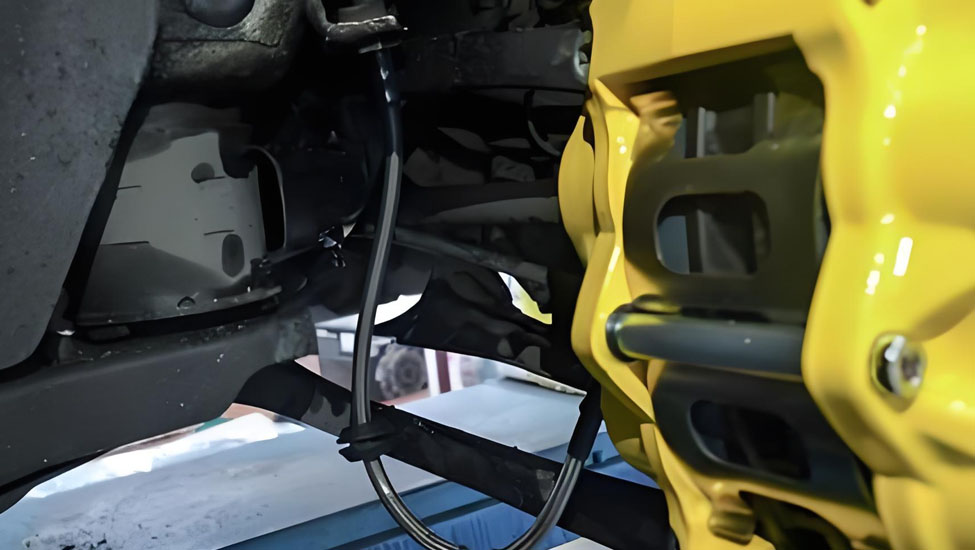
Start with a simple walk-around. With the vehicle parked on level ground and the engine off, visually inspect all flexible brake lines you can see, typically leading from the chassis to each wheel.
Look closely at the outer cover of the hose. Fine, web-like cracks (often called "alligator skin" or weather checking) are a sign of UV and ozone degradation. This is extremely common in sunny, hot climates like the Middle East and Africa. The rubber has lost its plasticity and is becoming brittle. While small surface cracks may not cause an immediate leak, they indicate the hose is past its prime and the inner liner is likely also degrading.
Material Insight: Standard Rubber Brake Line Assemblies are most susceptible to this. Upgraded lines, such as those with a Teflon (PTFE) core sheathed in stainless steel, are virtually immune to UV and ozone attack.
Run your eyes along the length of the hose. Any localized swelling, bulge, or blister is a serious red flag. A bulge indicates that the inner reinforcing layer has failed, allowing the inner tube to balloon out under pressure. This hose is a ticking time bomb and can rupture at any moment. A soft, overall swollen feel can indicate fluid absorption or internal degradation.
Check areas where the hose passes through metal brackets or near suspension components. Look for deep scuffs, cuts, or worn spots. This is especially critical for off-road vehicles in Africa or on rough roads. Physical damage can expose the reinforcement and lead to rupture.
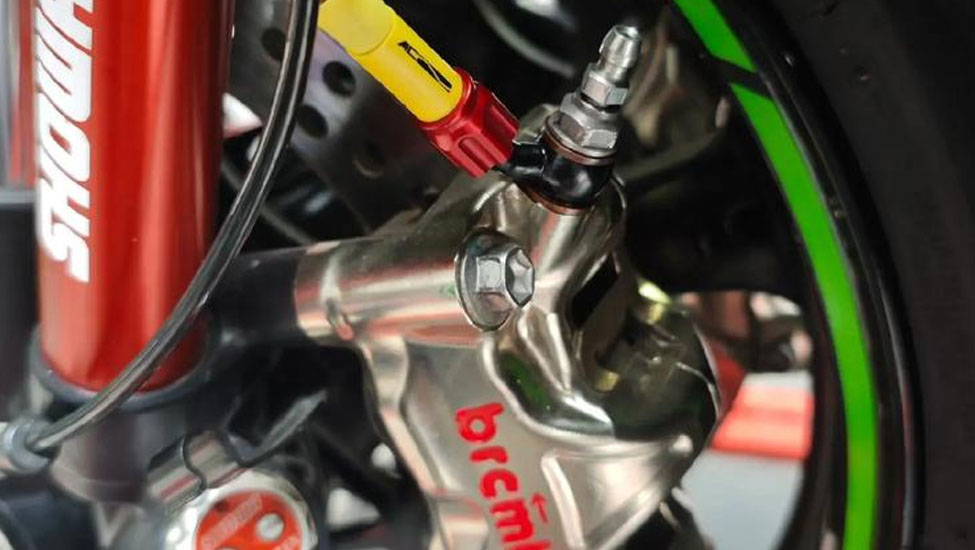
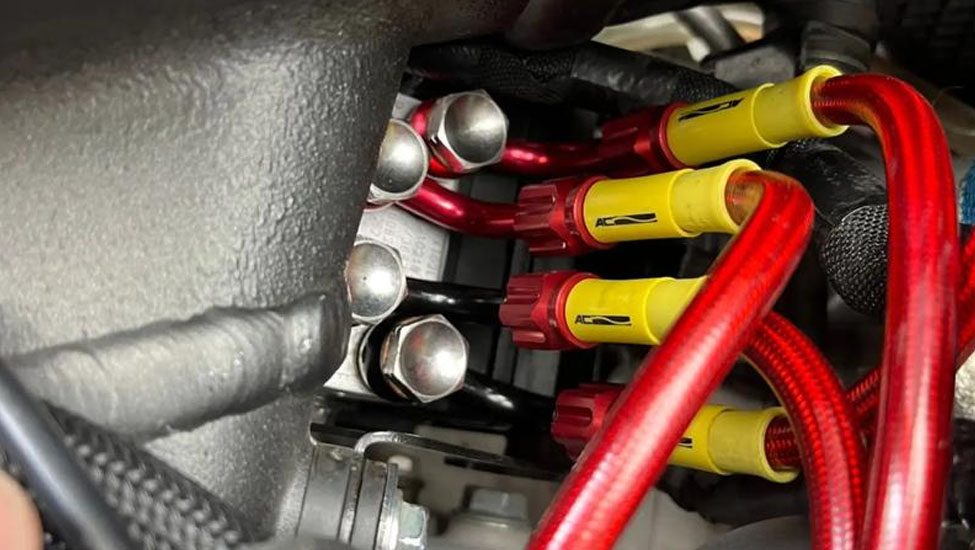
Material Insight: This is where a Stainless Steel Braided Hose shines. The braided exterior provides exceptional abrasion and cut resistance, acting as armor for the vital inner core.
Appearances can be deceiving. Some of the worst failures happen inside the hose.
With the vehicle safely supported, grasp a flexible hose and gently bend it into a "U" shape. Caution: Do not use excessive force. A healthy hose should be pliable and flex smoothly. A hose that feels stiff, rigid, or makes a cracking/grinding sound when flexed is suffering from internal degradation. The inner liner has likely delaminated and is crumbling.
This test requires a helper. Have someone apply and hold steady, moderate pressure on the brake pedal. While the pressure is held, try to gently flex the hose near the caliper. If you feel a "pulsing" or the hose seems to have a hard spot that moves, it could indicate a delaminated inner liner acting as a flapper valve, trapping pressure. This is a common cause of brake drag and caliper sticking.
Material Insight: This internal delamination is impossible in a Teflon brake line. The PTFE core is a monolithic, extruded tube that cannot separate or degrade in this manner.
This is a system test. With the engine running, have your helper slowly apply the brake pedal and hold it firm. Observe the pedal. If it slowly sinks towards the floor, you may have a leak or a master cylinder issue. A hose that expands under pressure can contribute to a spongy, low pedal feel. Upgrading to non-expanding braided brake lines or a high-quality Nylon Brake Line Assembly can restore a firm, high pedal.
Knowing why hoses fail helps you choose a better replacement.
For standard rubber hoses, a proactive replacement at 5 years is a wise safety investment, especially in harsh climates. Internal degradation is invisible. For high-performance braided lines, the service life is much longer, but an annual visual inspection is still recommended.
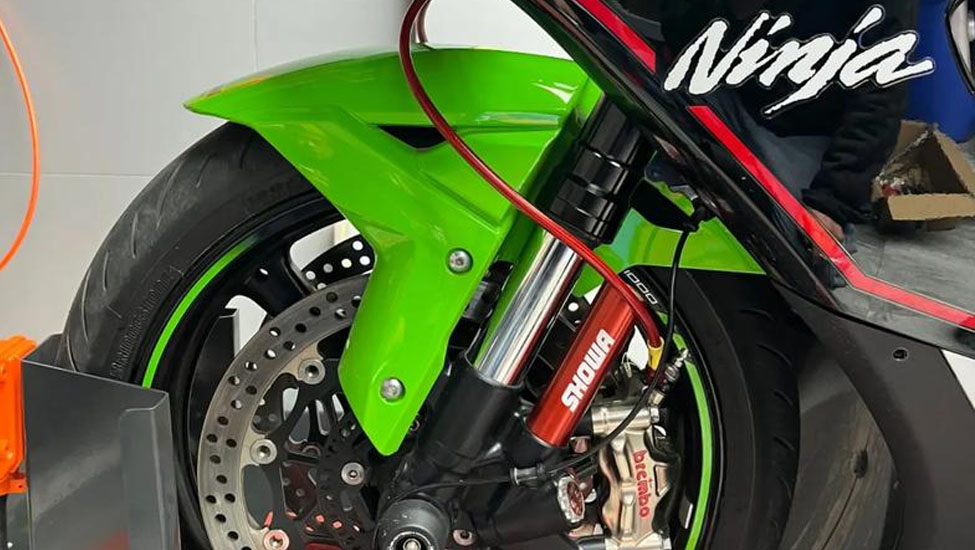
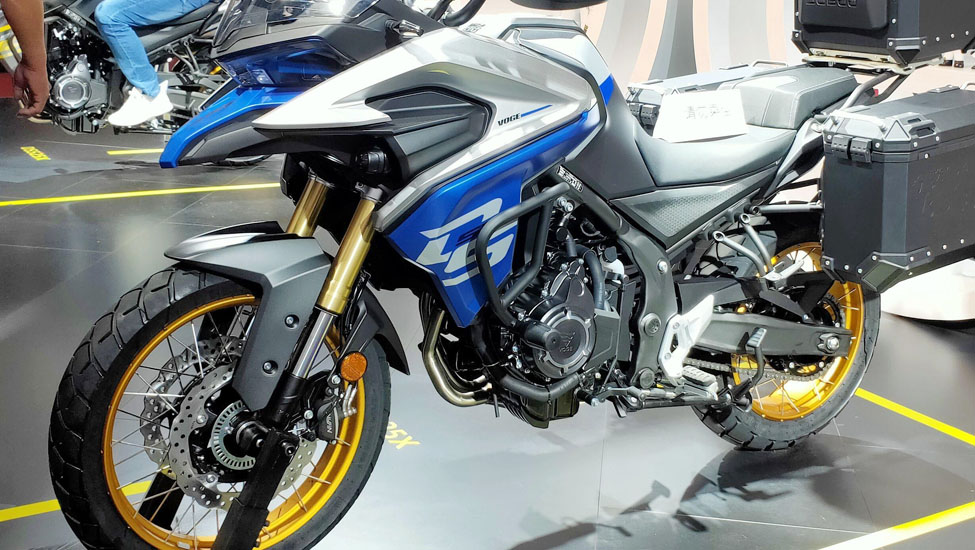
Yes, the principles are identical. Motorcycle Brake Lines are often more exposed and critical to safety. The flexible lines from the handlebar master cylinder to the caliper should be inspected rigorously for the same faults.
We manufacture application-specific kits for virtually all cars, trucks, SUVs, and motorcycles. The key is providing accurate vehicle information. For the most reliable fit, especially for modified or classic vehicles, sending us your old line as a sample is the best method.
Need Help Diagnosing a Vague Problem or Sourcing a Custom Part?If your inspection reveals a problem, or if you're unsure about the condition of your lines, our technical team can help. We're more than just a parts supplier. Send us photos of your suspect hoses, describe the symptoms (e.g., pulling, soft pedal, drag), or mail us the old parts. We can provide a professional assessment and recommend the perfect replacement or upgrade solution, from a direct-fit Rubber Brake Line Assembly to a full Stainless Steel Braided Brake Line Kit.
Contact us for a diagnostic consultation or custom quote.
Our brake lines are made of high-quality materials and undergo multi-layer reinforcement processes, passing rigorous testing to give you peace of mind.
The brake oil pipes we provide have multiple monitoring certifications and complete compliance documents to help your business smoothly enter the global market.
Fully automated production line, supporting individual customization. Combined with just-in-time logistics solutions, ensuring stable inventory.
A professional foreign trade technical team provides rapid response and is a trustworthy partner, offering everything from technical Q&A to market insights.

Thank you for your warm hospitality during this trip to China. Your brake oil pipe factory is indeed very strong, which makes us very confident. We hope to have a long-term cooperation between us. We will have many orders for brake oil pipes and metal braided oil pipes in the future
CEO & Founder

I am very satisfied with the response and professionalism from sample confirmation of brake hoses to bulk orders. Being able to provide key market certification documents and timely support from the technical team helped us smoothly explore new markets. Thank you very much.
CEO & Founder

We have been cooperating with your company for three consecutive years on brake oil pipe cooperation orders, with timely and stable supply, and accurate customs clearance documents. The product packaging is sturdy and the damage rate is extremely low, greatly reducing our operating costs. It is a trustworthy long-term partner.
Procurement Manager

Your company's return rate and warranty claims for brake oil pipes in our market are far below the industry average. The highly consistent quality gives our sales team great confidence, and the development of new brake oil pipes is also relatively fast. The feedback from end customers is very good.
CEO & Founder

We are a professional manufacturer of brake oil pipes and brake hoses.

Instant Chat Support
+8618903185773
nina@brakelinefactory.com
Get the latest information
Scan the code to follow
Return to the top of the page