
When Should Brake Lines Be Replaced? Key Warning Signs Every Buyer Should Know
Brake lines are one of the most important safety parts in a vehicle’s hydraulic braking system. They transfer brake fluid pressure from the master cylinder to the caliper or wheel cylinder, so any weakness in the hose can affect pedal feel, stopping distance, and overall control. In export markets such as Southeast Asia, the Middle East, Japan, Korea, Africa, and Indonesia, replacement timing matters even more because heat, humidity, traffic congestion, and road dust can speed up hose aging.
Why Brake Lines Wear Out Over Time
A brake line does not usually fail suddenly without warning. Most hoses age gradually through heat cycles, vibration, moisture, fluid contamination, and constant movement during steering and suspension travel. Rubber hoses may harden, swell, crack, or become internally restricted. In upgraded systems, the hose structure is designed to resist these problems better, but inspection is still necessary.
Common Signs It Is Time to Replace the Brake Line
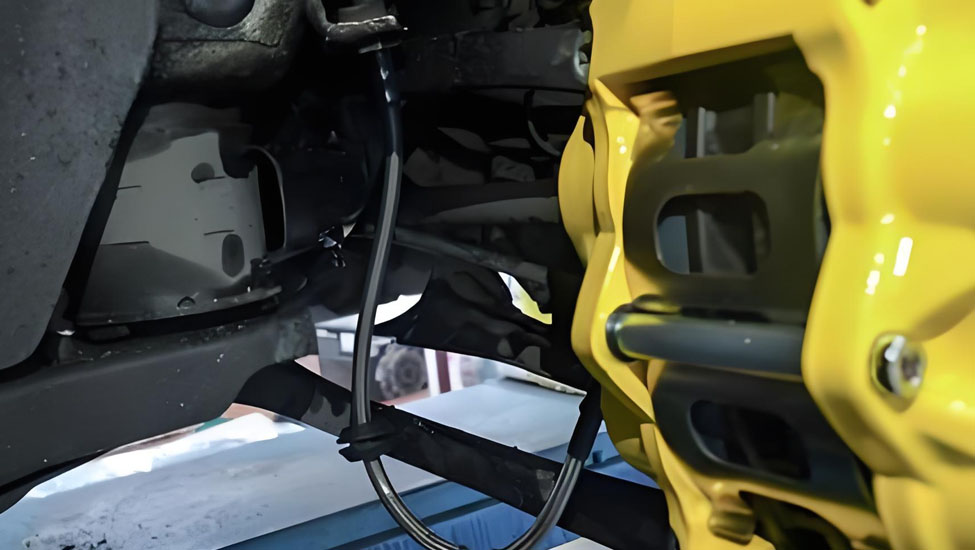
The most common warning signs include a soft or spongy brake pedal, slow brake release, visible cracking on the outer layer, leakage near fittings, uneven braking, or a wheel that stays hotter than normal after driving. If the pedal feel changes after repeated braking, the hose may be expanding too much under pressure. If one wheel keeps dragging, the hose may be internally collapsed and restricting fluid return.
Simple Field Check
A technician can inspect the hose for swelling, abrasion, bending damage, and corrosion at the connector. If the vehicle has old brake fluid, a blocked hose, or repeated brake overheating, replacement is usually safer than trying to reuse the part.
What Buyers Should Compare Before Choosing a Replacement
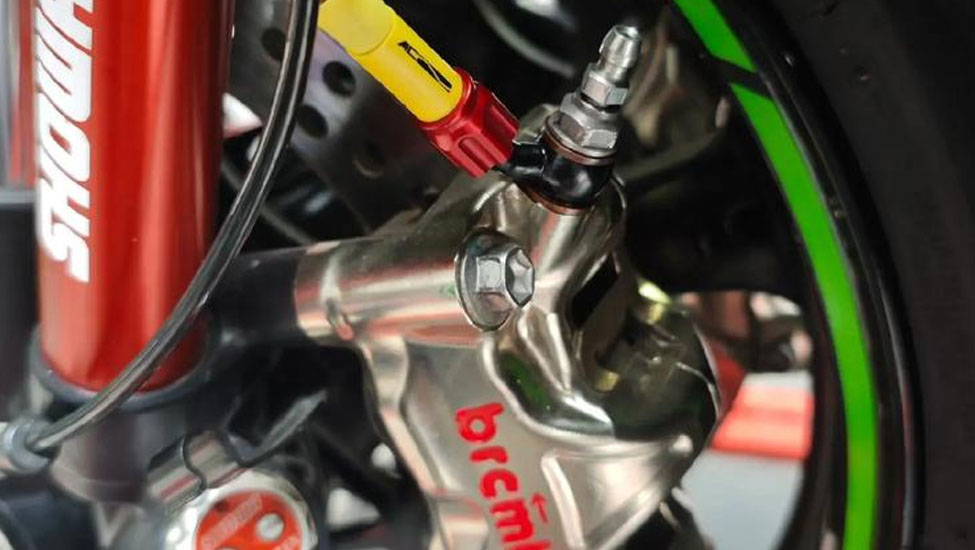
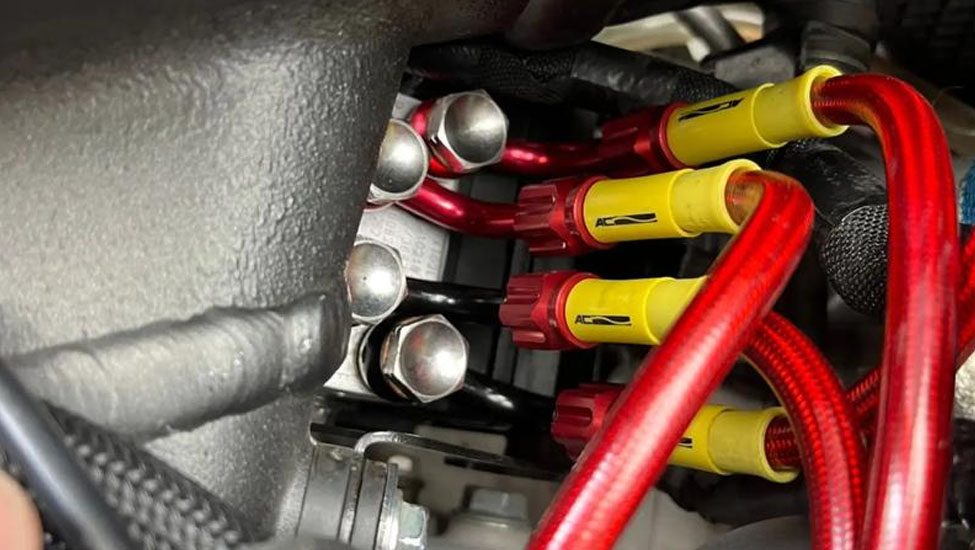
Buyers should compare material type, fitting style, pressure resistance, temperature tolerance, and service life. A Teflon Brake Line is often chosen for performance use because it offers better pressure stability and firmer pedal response. A Nylon Brake Line can be a practical technical option for buyers who want better durability than standard rubber. For complete assemblies, the PTFE Brake Line Assembly and Nylon Brake Line Assembly are useful for OEM and aftermarket projects.
How Upgraded Brake Lines Help in Real Use
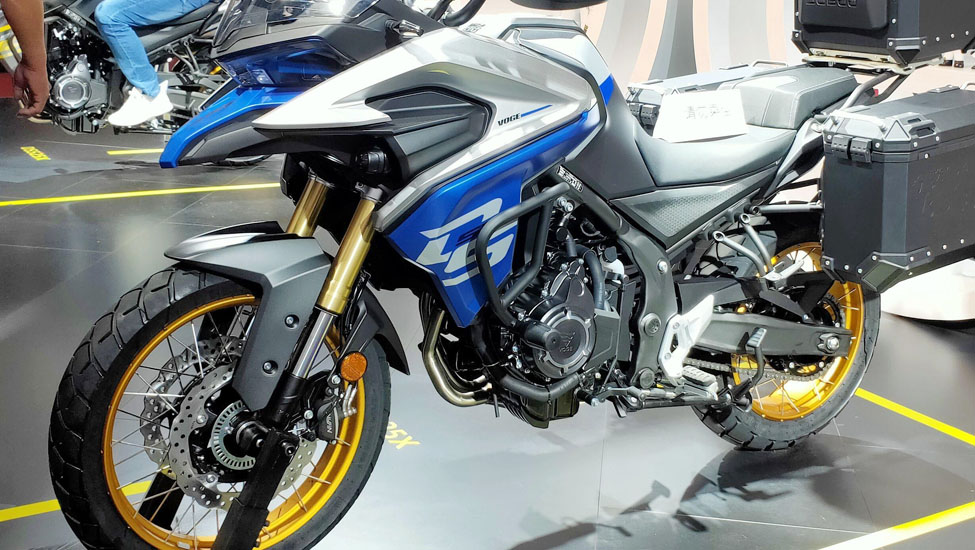
A better hose can reduce line expansion, improve pedal consistency, and support more stable braking under repeated use. That matters for motorcycles, passenger cars, SUVs, and modified vehicles that operate in hot climates or stop-and-go traffic. For workshops and distributors, it also creates a clearer upgrade story when explaining value to customers.
Recommended Product Range
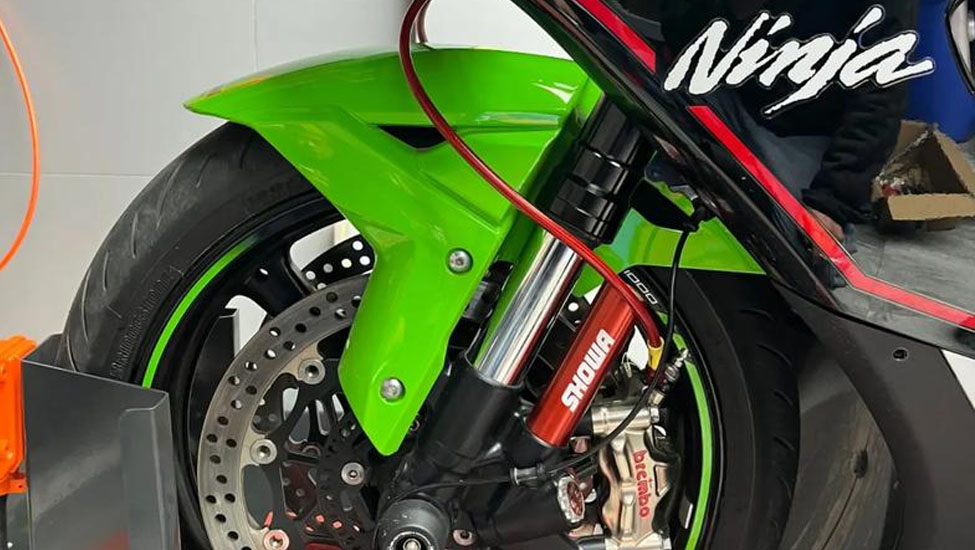
Our main product range includes Rubber Brake Line Assembly, Nylon Brake Line, Teflon Brake Line, PTFE Brake Line Assembly, and motorcycle-focused solutions such as Motorcycle Brake Lines. For higher-performance upgrades, braided structures such as stainless steel braided hose and braided brake lines are often used in technical markets.
Selection Advice for Importers and Workshops
When selecting a replacement hose, confirm the vehicle model, fitting type, length, thread standard, and routing path. If the vehicle is used in heavy traffic, high heat, or frequent braking conditions, choose a hose with stronger resistance to expansion and aging. For export projects, packaging, labeling, and private branding should also be considered early.
Contact for Custom Projects
If you have a sample, drawing, special fitting requirement, or custom specification, send it to us for technical review. We support custom brake line projects for different vehicle platforms and markets. Contact us for quotation and product confirmation.
FAQ
How often should brake lines be replaced?
There is no fixed mileage for every vehicle, but brake lines should be inspected regularly and replaced when signs of aging, cracking, swelling, leakage, or unstable braking appear.
Can a damaged brake line be repaired instead of replaced?
In most cases, replacement is the safer choice. A hose with internal damage, collapse, or structural wear cannot be fully restored by cleaning or patching.
Are upgraded brake lines safe for all vehicles?
Upgraded lines can be used on many vehicles, but the correct length, fitting, and route must match the vehicle platform. Fitment confirmation is always necessary before installation.