Brake line issues are often progressive, starting with subtle symptoms that can escalate to dangerous failures. For workshop owners in Southeast Asia, Africa, and the Middle East, quick and accurate diagnosis is crucial. This guide provides a systematic approach to inspecting brake lines, explaining the science behind common failures, and comparing the long-term reliability of standard and performance materials.
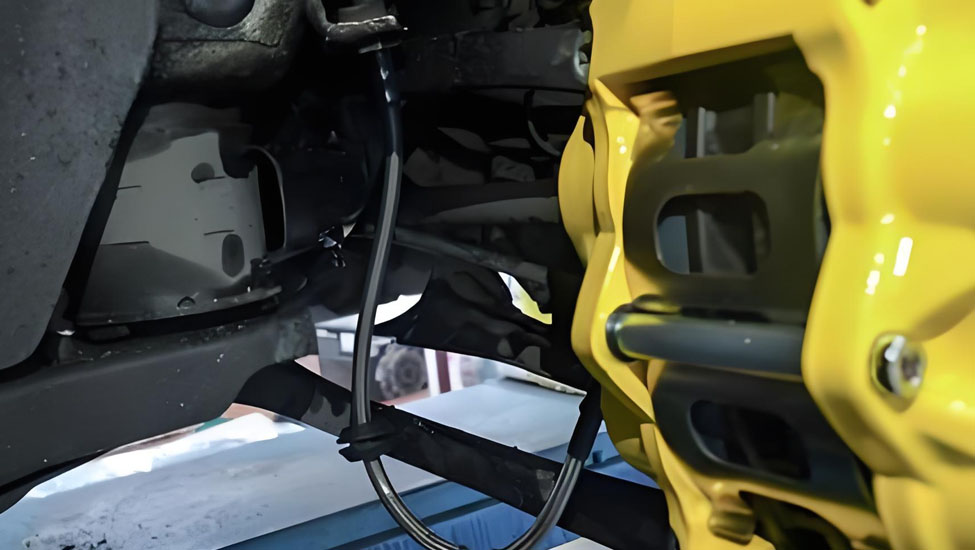
Even before a test drive, a thorough visual check can reveal 80** of common brake line problems. Use a flashlight and inspect every accessible inch of the flexible hose and its connections.
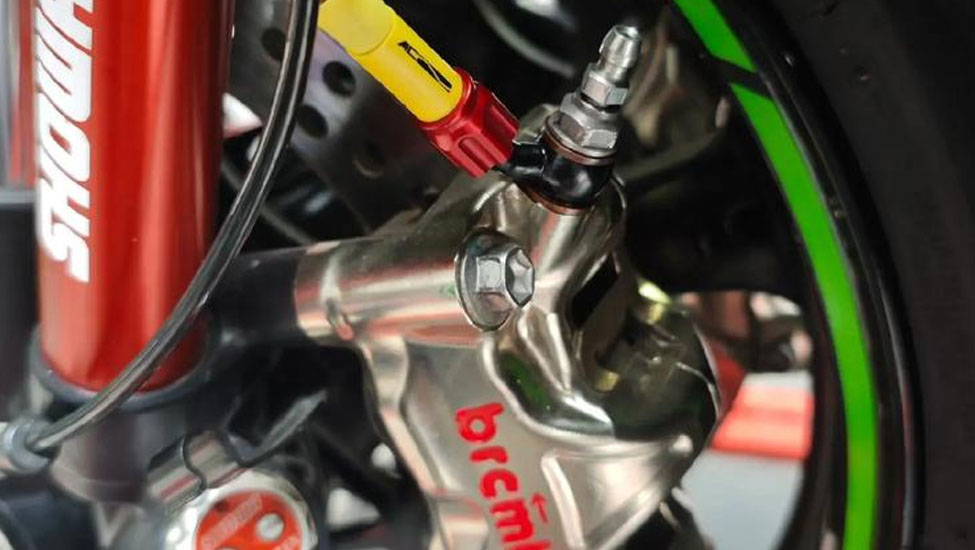
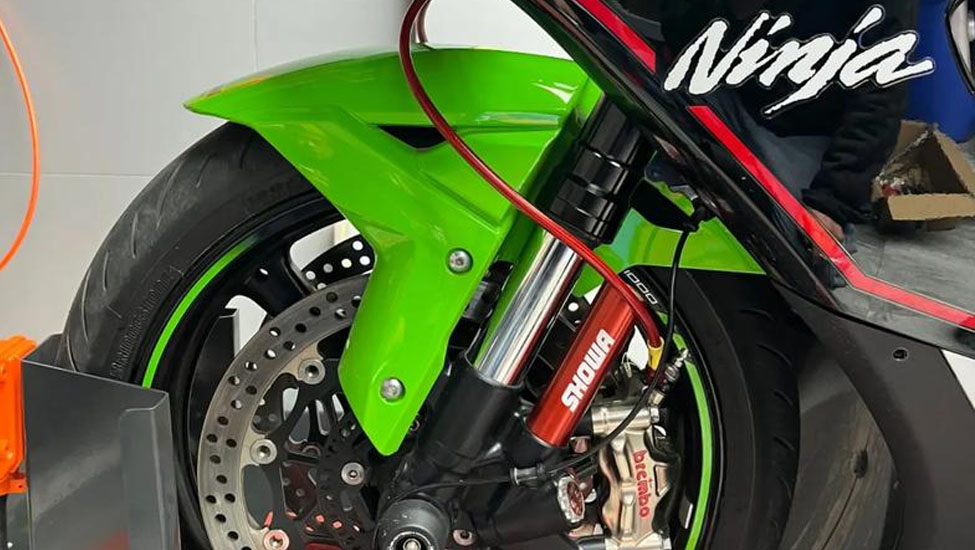
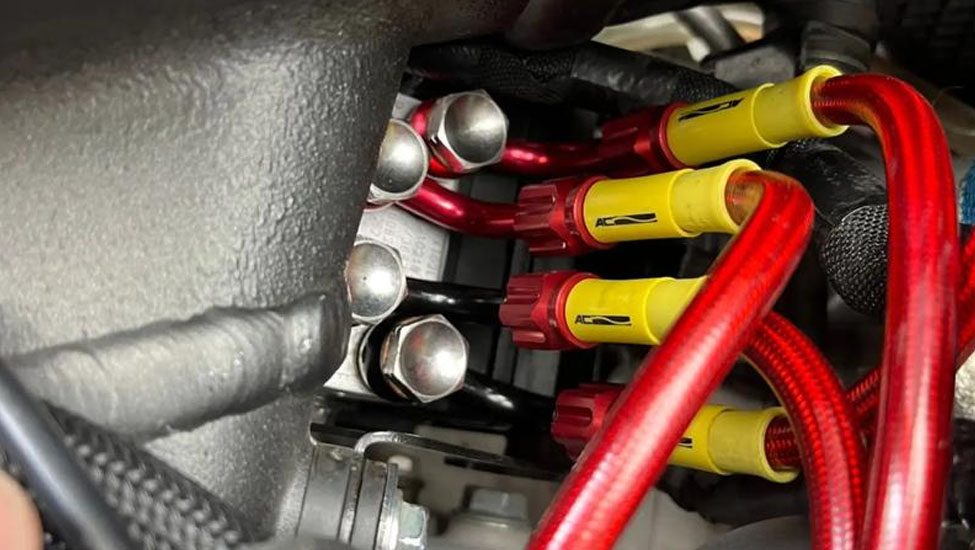
Standard rubber is vulnerable to all the above. Our performance lines are engineered to resist them. For example, a Teflon Brake Line with a stainless steel braid and a tough outer sheath (like those in a PTFE Brake Line Assembly) is highly resistant to abrasion, cracking, and external damage. The fittings are typically made of corrosion-resistant materials.
Not sure what you're looking at? We can help you identify the issue. Send us clear photos of your brake lines, and our technical team can provide an assessment and recommend the correct replacement kit. We respond quickly to WhatsApp inquiries at +8618903185773.
How the brake pedal feels during operation tells a detailed story about the hydraulic system's health, including the lines.
This usually indicates air in the system. However, if a thorough brake bleed doesn't fix it, suspect a swollen or degraded rubber hose. The hose is expanding under pressure like a balloon, consuming fluid volume that should move the piston.
A rock-hard pedal that requires excessive force often points to a vacuum booster issue. However, a severely restricted or internally collapsed hose can also cause high pedal effort, as fluid cannot flow freely to the caliper.
A pedal that slowly descends under constant pressure indicates a fluid leak, possibly from a ruptured hose or faulty seal. This is an emergency.
When visual and feel tests are inconclusive, these simple mechanical tests can pinpoint the problem.
The Cost-Effective Fix: Instead of another rubber hose, install a Nylon Brake Line Assembly. The nylon inner core is much more resistant to the internal delamination that causes collapse, offering a more durable repair at a reasonable price.
When replacing a failed line, the choice of material determines how long the repair will last.
| Material | Key Failure Mode | Typical Service Life | Ideal For |
|---|---|---|---|
| Standard Rubber (EPDM/SBR) | Internal delamination, external cracking, swelling | 5-10 years | OEM-spec replacement, cost-sensitive repairs |
| Nylon Brake Line | Much more resistant to internal degradation; can be affected by very high temps | 10-15+ years | Daily drivers, fleets, better-than-OEM durability |
| PTFE (Teflon) Core | Virtually inert; failure is almost always external physical damage | 15+ years / Vehicle lifetime | Performance, off-road, hot climates, motorcycles |
The data shows that while a Rubber Brake Line Assembly is a valid direct replacement, upgrading to nylon or PTFE is an investment in long-term reliability and safety.
Choosing the right kit can be confusing. We simplify it. Tell us your vehicle make, model, year, and primary use (daily, performance, off-road), and we'll recommend the optimal kit from our range, which includes everything from rubber to full Braided Brake Lines kits. Email: nina@brakelinefactory.com
Q: How often should I visually inspect my brake hoses?
A> We recommend a quick visual check every time you change your oil (every 5,000-10,000 km). A more thorough inspection, including checking for bulges and flexibility, should be done annually.
Q: Can I just replace the one leaking or damaged hose?
A> You can, but it's often prudent to replace them in axle sets (both front or both rear) or as a full set. Hoses from the same manufacturing batch age at similar rates. Replacing all flexible hoses with a complete Brake Line Assembly Kit renews the entire system for balanced performance and predictable maintenance.
Q: Are braided lines difficult to install?
A> No. They are direct replacements. The key is to ensure they are not twisted during installation and are properly routed to avoid contact with moving parts. Our kits come with all necessary hardware for a straightforward installation.
About Our Capabilities: As highlighted in client testimonials on our site, we are a professional manufacturer with "fully automated production" and provide "multiple monitoring certifications and complete compliance documents." We produce a wide range of products, including Teflon Brake Lines, Nylon Brake Lines, PTFE & Nylon Brake Line Assemblies, and high-quality Rubber Brake Line Assemblies, supporting both standard and custom orders for global markets.
Our brake lines are made of high-quality materials and undergo multi-layer reinforcement processes, passing rigorous testing to give you peace of mind.
The brake oil pipes we provide have multiple monitoring certifications and complete compliance documents to help your business smoothly enter the global market.
Fully automated production line, supporting individual customization. Combined with just-in-time logistics solutions, ensuring stable inventory.
A professional foreign trade technical team provides rapid response and is a trustworthy partner, offering everything from technical Q&A to market insights.

Thank you for your warm hospitality during this trip to China. Your brake oil pipe factory is indeed very strong, which makes us very confident. We hope to have a long-term cooperation between us. We will have many orders for brake oil pipes and metal braided oil pipes in the future
CEO & Founder

I am very satisfied with the response and professionalism from sample confirmation of brake hoses to bulk orders. Being able to provide key market certification documents and timely support from the technical team helped us smoothly explore new markets. Thank you very much.
CEO & Founder

We have been cooperating with your company for three consecutive years on brake oil pipe cooperation orders, with timely and stable supply, and accurate customs clearance documents. The product packaging is sturdy and the damage rate is extremely low, greatly reducing our operating costs. It is a trustworthy long-term partner.
Procurement Manager

Your company's return rate and warranty claims for brake oil pipes in our market are far below the industry average. The highly consistent quality gives our sales team great confidence, and the development of new brake oil pipes is also relatively fast. The feedback from end customers is very good.
CEO & Founder

We are a professional manufacturer of brake oil pipes and brake hoses.

Instant Chat Support
+8618903185773
nina@brakelinefactory.com
Get the latest information
Scan the code to follow
Return to the top of the page