A stiff, unyielding brake pedal is more than just an annoyance—it's a clear signal that your vehicle's braking system is not functioning optimally. As a manufacturer specializing in performance and replacement brake lines, we frequently consult with workshops and enthusiasts facing this issue. This guide provides a structured, technical breakdown of the common causes, with a focus on how the brake lines themselves can be both a culprit and a solution.
First, let's distinguish between a healthy, firm pedal and a problematic, hard one. A firm pedal provides immediate, progressive resistance with minimal travel, translating your foot pressure directly to the calipers. A hard pedal feels like pressing a solid brick; it requires excessive force, offers little feedback, and results in poor braking performance. This hardness indicates a failure in force transmission within the hydraulic system.
This is the most frequent cause of a sudden, rock-hard pedal. Most modern vehicles use engine vacuum to amplify the force you apply to the master cylinder.
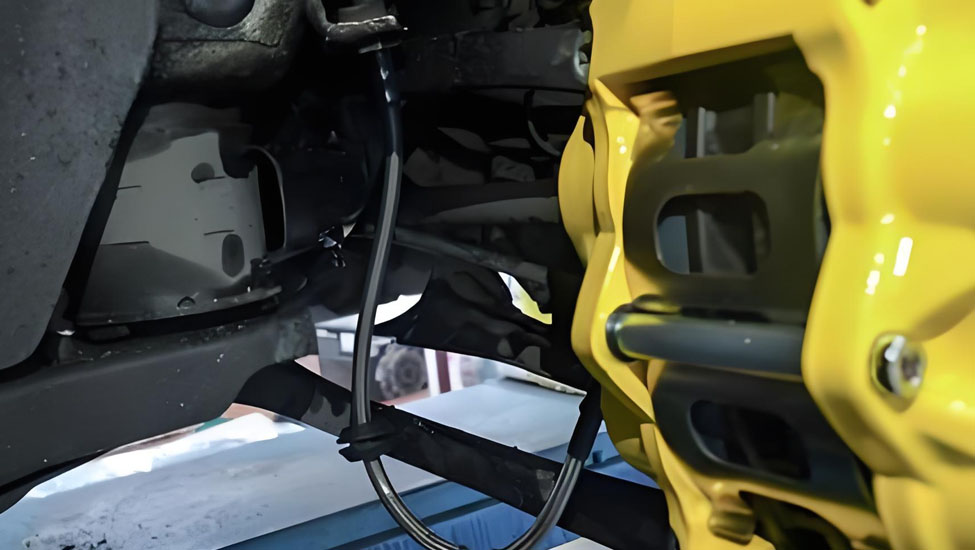
This is a progressive failure directly tied to your brake lines. Standard rubber brake line assemblies have a multi-layer construction. Over time, the inner rubber liner can degrade and soften due to heat and contaminated brake fluid. Under pressure, this softened liner can actually swell inward, acting like a one-way valve that restricts the return of fluid from the caliper.
Brake fluid is hygroscopic. Over years, it absorbs moisture from the air, which drastically lowers its boiling point. During vigorous braking, this water can vaporize, creating compressible gas bubbles in the lines. While this typically causes a spongy pedal, in calipers with particularly small passages or advanced ABS modules, severe contamination can almost "gel" and impede flow, contributing to a stiff feel. Always use fresh, high-quality DOT 4 or 5.1 fluid.
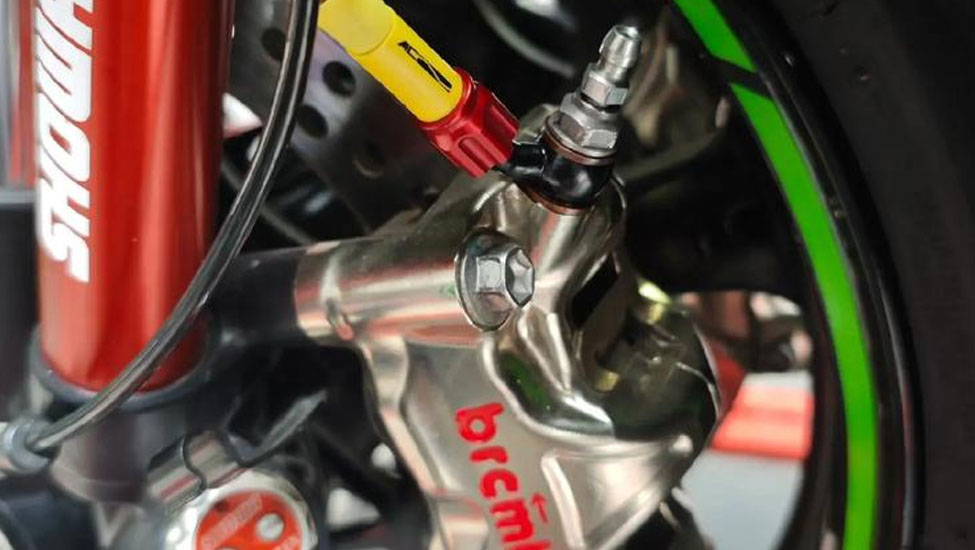
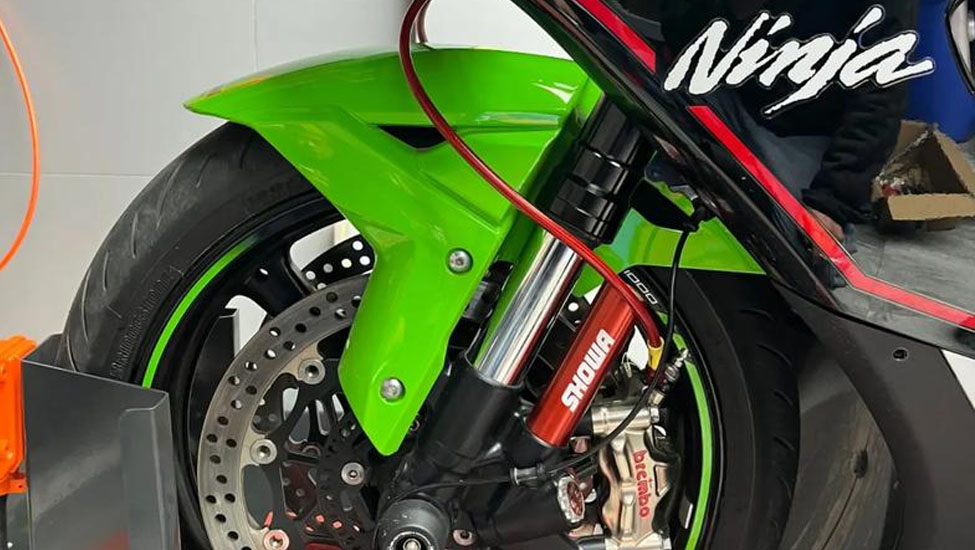
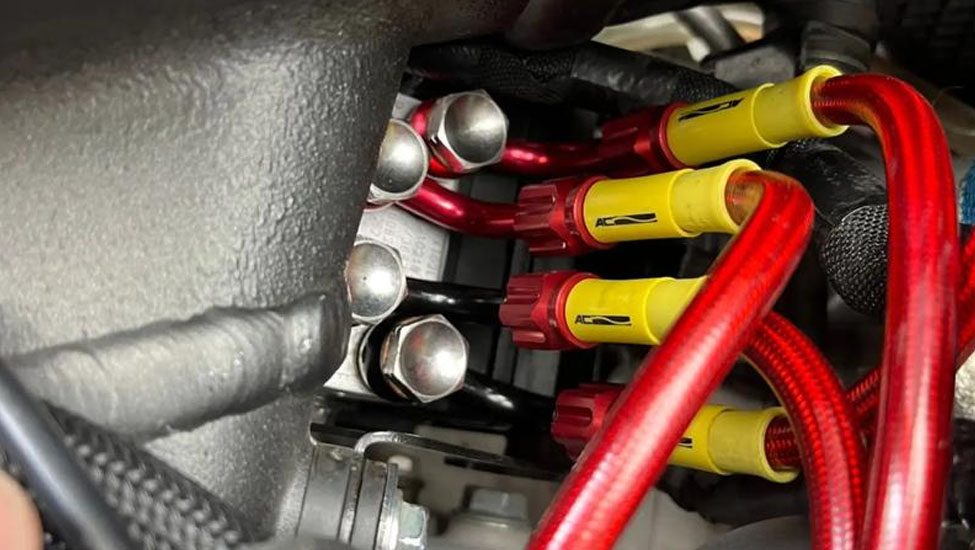
While the booster and fluid are critical, the brake hoses are the arteries of your system. Upgrading them addresses the material failure inherent in rubber.
We offer solutions across the spectrum:
When Replacing Lines: Always bleed the brake system thoroughly after installation to remove all air. Use a torque wrench on fittings to avoid damage.
Regular Maintenance: Flush your brake fluid every 2 years, regardless of mileage. Visually inspect all flexible brake lines annually for cracks, bulges, or abrasion.
If you've checked the booster and fluid but still have a hard pedal, the likely culprit is restrictive brake hoses. We can help. Contact our technical team for advice. If you have a custom vehicle or need a specific configuration, send us your old lines or detailed measurements and photos, and we can fabricate a direct replacement solution. Get in touch here.
Our brake lines are made of high-quality materials and undergo multi-layer reinforcement processes, passing rigorous testing to give you peace of mind.
The brake oil pipes we provide have multiple monitoring certifications and complete compliance documents to help your business smoothly enter the global market.
Fully automated production line, supporting individual customization. Combined with just-in-time logistics solutions, ensuring stable inventory.
A professional foreign trade technical team provides rapid response and is a trustworthy partner, offering everything from technical Q&A to market insights.

Thank you for your warm hospitality during this trip to China. Your brake oil pipe factory is indeed very strong, which makes us very confident. We hope to have a long-term cooperation between us. We will have many orders for brake oil pipes and metal braided oil pipes in the future
CEO & Founder

I am very satisfied with the response and professionalism from sample confirmation of brake hoses to bulk orders. Being able to provide key market certification documents and timely support from the technical team helped us smoothly explore new markets. Thank you very much.
CEO & Founder

We have been cooperating with your company for three consecutive years on brake oil pipe cooperation orders, with timely and stable supply, and accurate customs clearance documents. The product packaging is sturdy and the damage rate is extremely low, greatly reducing our operating costs. It is a trustworthy long-term partner.
Procurement Manager

Your company's return rate and warranty claims for brake oil pipes in our market are far below the industry average. The highly consistent quality gives our sales team great confidence, and the development of new brake oil pipes is also relatively fast. The feedback from end customers is very good.
CEO & Founder

We are a professional manufacturer of brake oil pipes and brake hoses.

Instant Chat Support
+8618903185773
nina@brakelinefactory.com
Get the latest information
Scan the code to follow
Return to the top of the page