
Brake System Pressure Loss: Main Causes, Early Signs, and Why Hose Upgrade Matters
Why pressure loss should never be ignored
Brake system pressure loss is one of the most common reasons a vehicle feels less responsive during braking. When hydraulic pressure cannot be transferred efficiently, the pedal may feel softer, stopping distance may increase, and braking response may become inconsistent. In export markets with hot weather, heavy traffic, or frequent stop-and-go use, this problem often appears earlier than many users expect.
Main causes of pressure loss in the brake line
1. Hose expansion under pressure
A rubber hose can expand slightly every time the brake pedal is pressed. Over time, that expansion becomes more noticeable, especially on aged parts or low-quality replacements. This is one reason many buyers compare Rubber Brake Line Assembly with more stable upgrade options.
2. Internal wear and material fatigue
A hose may look normal on the outside while the inner layer has already weakened. Once the internal structure loses strength, pressure transfer becomes less direct and more energy is lost inside the line.
3. Contaminated brake fluid
Old fluid with moisture or debris can reduce system stability. In some cases, contamination contributes to sluggish response and internal hose deterioration.
4. Poor routing or installation stress
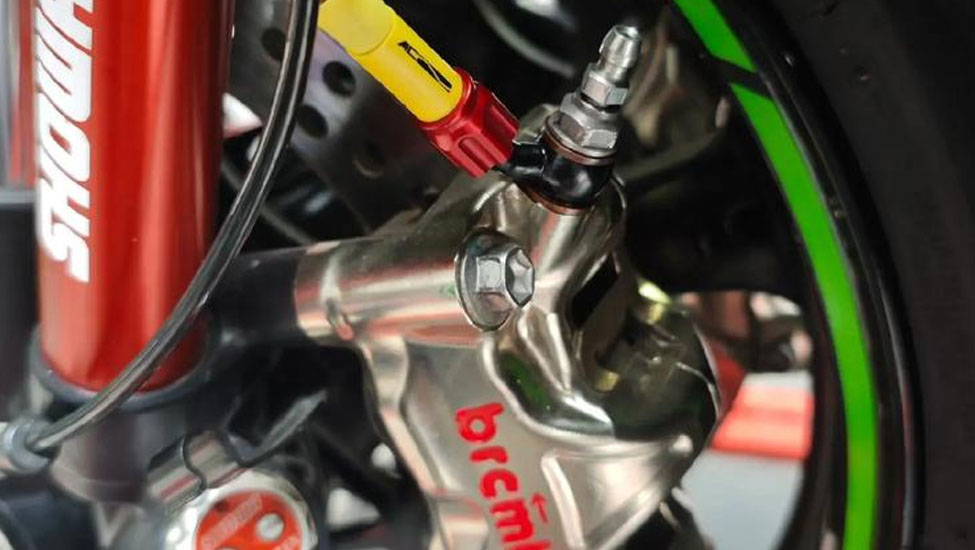
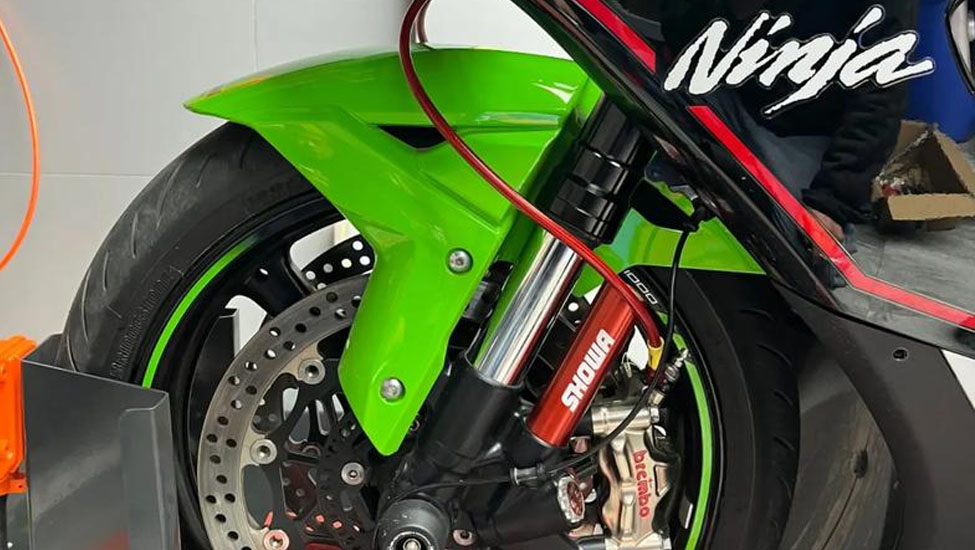
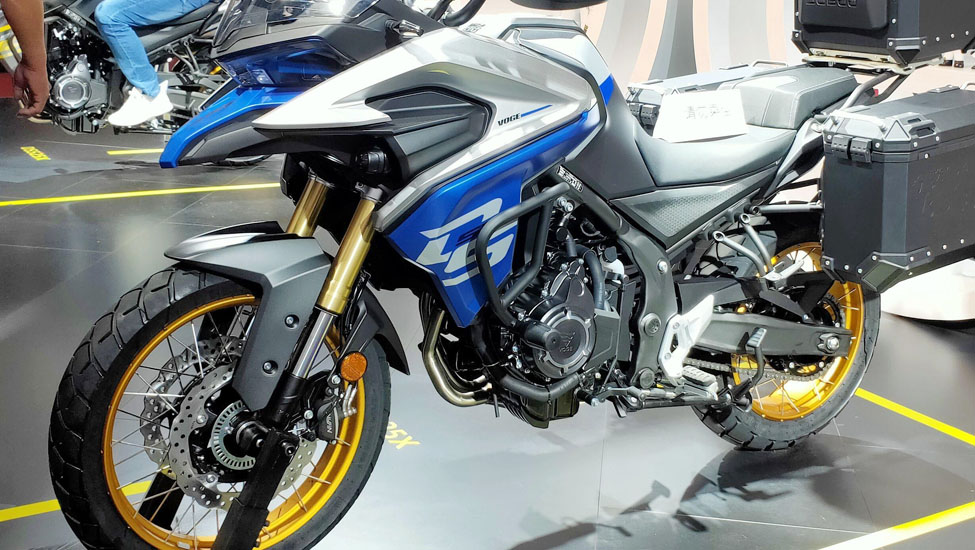
If the hose is bent too sharply, twisted during installation, or damaged by nearby parts, pressure loss becomes more likely. This is especially important for compact layouts such as Motorcycle Brake Lines.
Basic comparison: standard hose vs upgraded brake line
Standard rubber construction is common in everyday replacement, but many buyers prefer upgraded lines when they want firmer pedal feel and more stable pressure transfer. Products such as Teflon Brake Line, PTFE Brake Line Assembly, and Nylon Brake Line Assembly are often considered when pressure consistency is more important than basic cost.
Product options for different vehicle applications
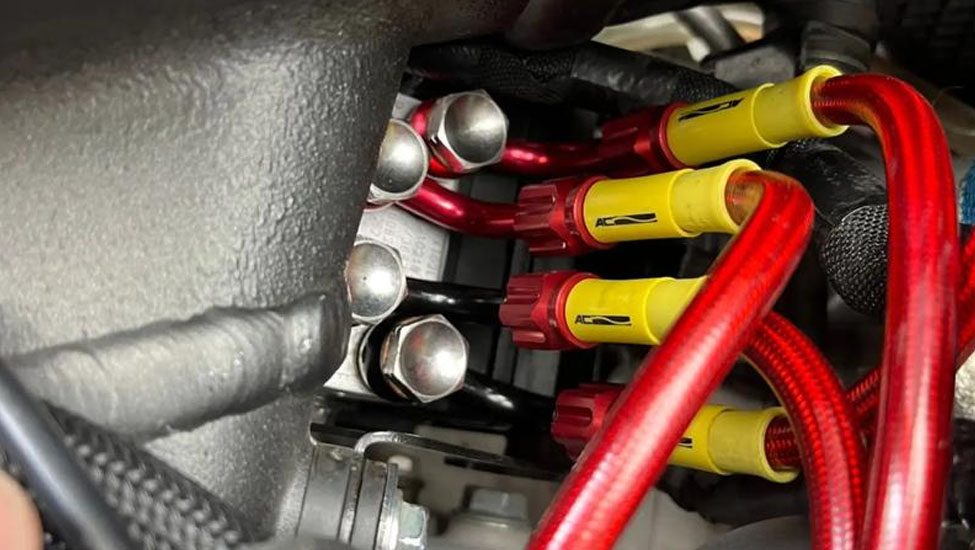
For vehicle-specific projects, buyers also compare Nylon Brake Line, Teflon Brake Line, Rubber Brake Line Assembly, and PTFE Brake Line Assembly. For performance-oriented markets, terms like Braided Brake lines and Stainlesssteelbraided Hose are also frequently searched.
What overseas buyers usually care about
Buyers in Southeast Asia, the Middle East, Japan, Korea, and Africa usually focus on pressure stability, heat resistance, fitting accuracy, and repeatable quality. They also want drawings, samples, and a supplier that can support custom orders for different vehicle platforms.
Need a custom specification or drawing match?
If you have a drawing, sample, or special requirement, please contact us here: Contact us. We support OEM and aftermarket brake line solutions.
FAQ
How often should brake hoses be replaced?
There is no fixed number for every vehicle. Hoses should be inspected regularly and replaced when swelling, cracking, leakage, or delayed pedal response appears.
Do upgraded brake hoses really improve safety?
A properly selected upgraded hose can reduce expansion and improve pressure transfer. That usually gives the driver a firmer and more predictable brake feel.
Are brake lines suitable for all vehicle models?
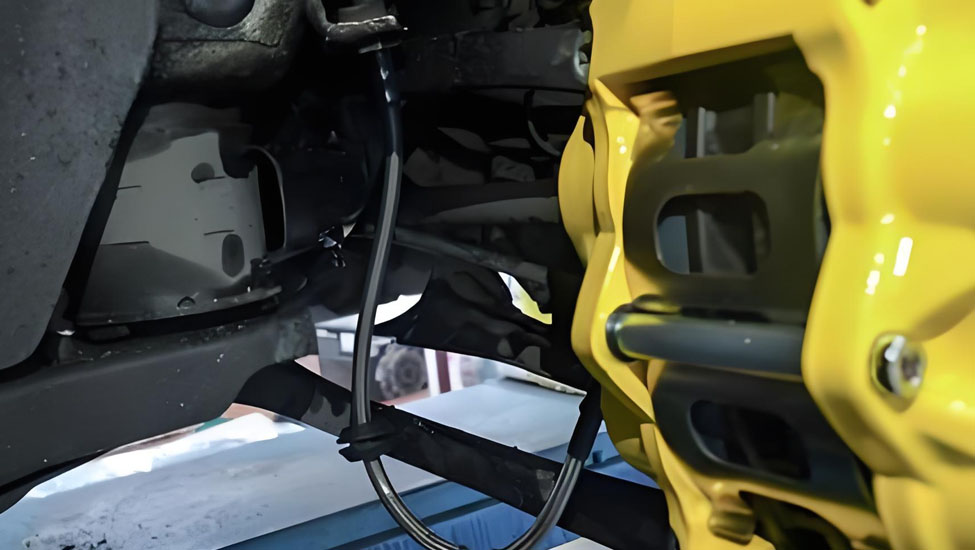
No. The hose must match the connector type, line length, routing space, and pressure requirement of the vehicle.