Project Description
PTFE Brake Lines: A Reliable Upgrade for Performance and DurabilityIn any hydraulic braking system, the brake line plays a critical role in transmitting pressure from the master cylinder to the caliper. While often considered a simple component, the material and construction of a brake hose directly influence braking response, pedal feel, and long-term safety.
PTFE (Polytetrafluoroethylene) brake lines, commonly known as Teflon brake hoses, have become the preferred choice in performance, racing, and premium aftermarket applications due to their structural stability and resistance to extreme conditions.
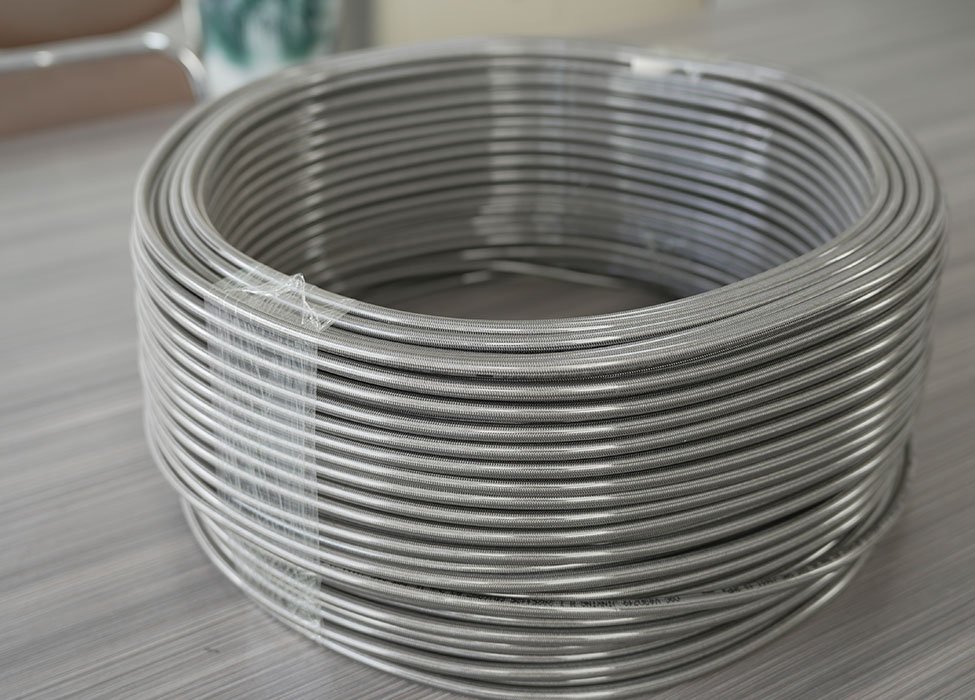
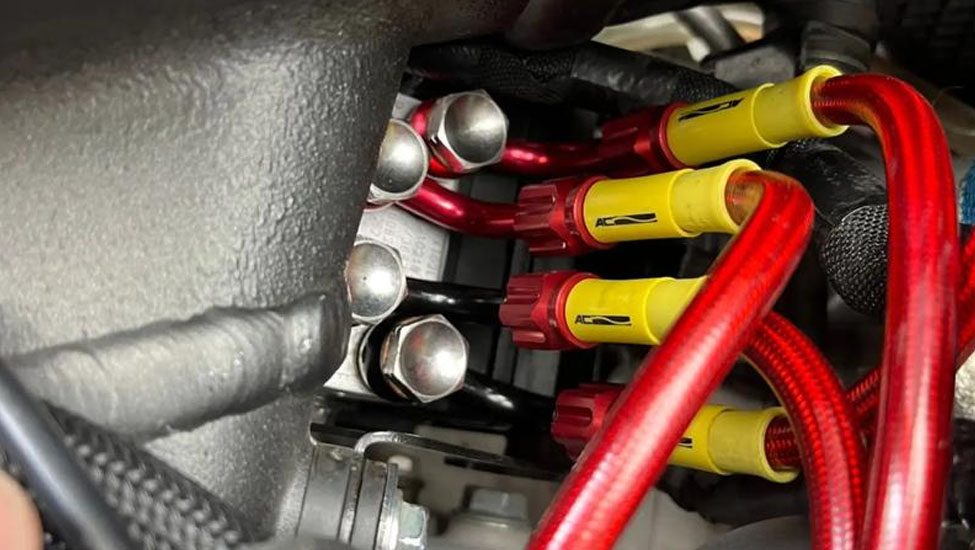
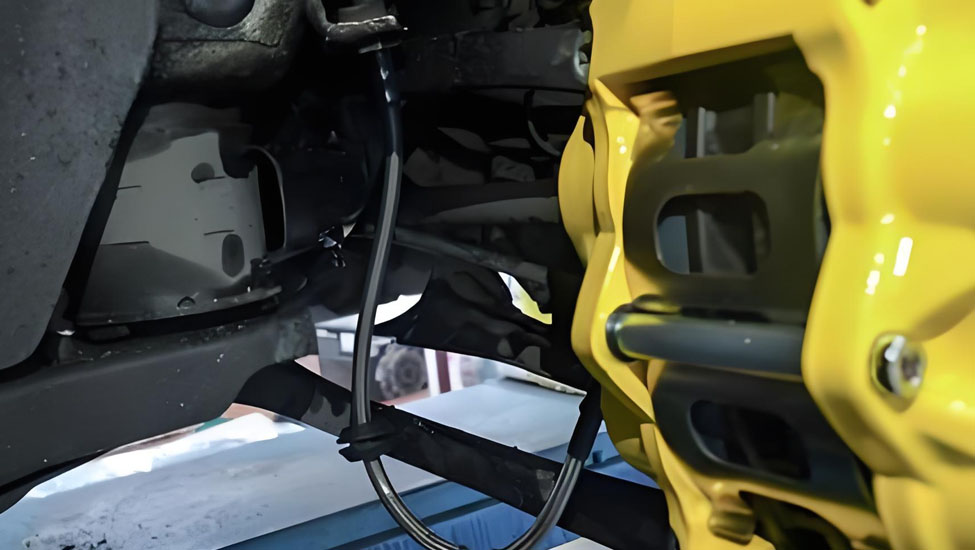
What Is a PTFE Brake Line?A PTFE brake line is constructed with a Teflon inner tube, typically reinforced with stainless steel braided wire on the outside. In many applications, an additional PVC protective coating is applied to improve abrasion resistance and appearance.
This multi-layer structure provides both internal chemical stability and external mechanical strength:
Inner Core: PTFE (Teflon)
Reinforcement Layer: Stainless steel braid
Optional Outer Layer: PVC protective coating
Compared with conventional rubber brake hoses, PTFE brake lines offer significantly improved performance consistency under pressure and heat.
Core Characteristics of PTFE Brake Lines1. Extremely Low Expansion Under Pressure
One of the key characteristics of PTFE material is its structural rigidity. Under hydraulic pressure, traditional rubber hoses tend to expand slightly, especially during repeated heavy braking. This expansion reduces the efficiency of pressure transfer and results in a softer pedal feel.
PTFE inner tubes maintain their shape even under high pressure. The benefits include:
Faster brake response
Firmer and more direct pedal feel
Improved braking precision
Reduced performance loss during repeated braking
For performance vehicles and modified cars, this stable hydraulic transmission is essential.
2. High Temperature ResistanceBraking systems generate significant heat, particularly during aggressive driving or downhill conditions. PTFE material has excellent thermal stability and maintains performance across a wide temperature range.
Unlike rubber hoses, PTFE does not soften easily at elevated temperatures. This ensures:
Consistent braking performance under high heat
Reduced risk of hose deformation
Greater reliability in demanding environments
This makes PTFE brake lines suitable for racing, track use, and heavy-duty applications.
3. Superior Chemical ResistanceBrake fluid is chemically aggressive and can degrade ordinary rubber over time. PTFE is chemically inert and resistant to:
Brake fluid corrosion
Moisture absorption
Oil and chemical exposure
It does not react with brake fluid and does not absorb moisture, helping maintain clean fluid flow and preventing internal deterioration. This significantly extends service life and reduces maintenance concerns.
4. Excellent Aging ResistanceRubber brake hoses naturally age due to temperature cycles, ozone exposure, and environmental factors. Over time, this can cause cracking, softening, or internal swelling.
PTFE material has outstanding resistance to aging. It does not harden or crack easily, even after long-term use. When combined with stainless steel braiding, the hose maintains structural integrity for extended periods.
For distributors and brand owners, this means improved product reliability and lower after-sales risk.
5. High Burst Strength and Safety MarginThe stainless steel braided layer enhances mechanical strength and provides high burst pressure capability. Each high-quality PTFE brake line should undergo strict pressure and leakage testing during production.
This structure provides:
Strong resistance to external impact
Protection against abrasion
Increased overall safety margin
In critical braking situations, structural reliability is non-negotiable.
Performance Difference Compared to Rubber Brake Hoses
While rubber brake hoses are cost-effective and widely used in OEM applications, they are designed primarily for general driving conditions.
PTFE brake lines offer clear advantages in:
Pedal feedback consistency
High-pressure stability
Heat resistance
Long-term durability
For performance upgrades or premium replacement markets, PTFE hoses are widely recognized as a superior solution.
Applications of PTFE Brake Lines
PTFE brake hoses are commonly used in:
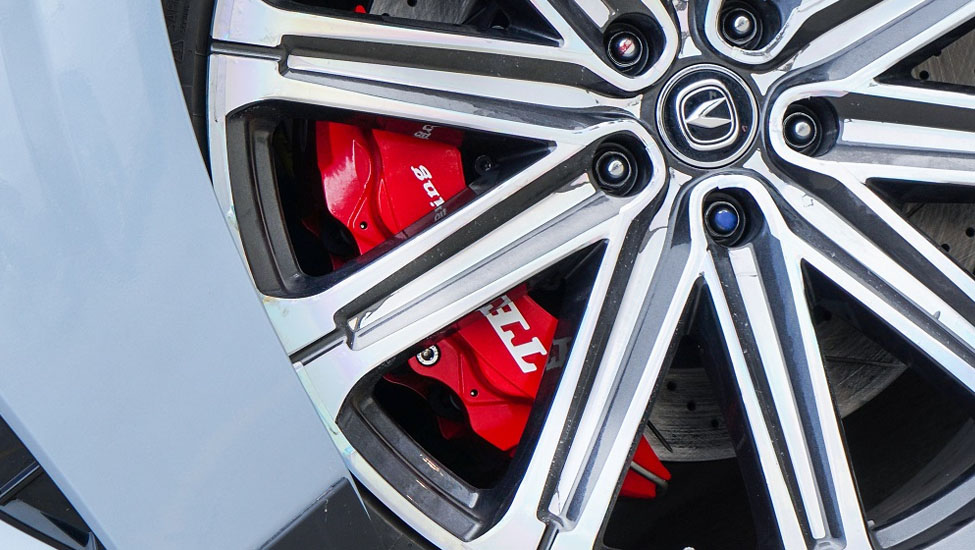
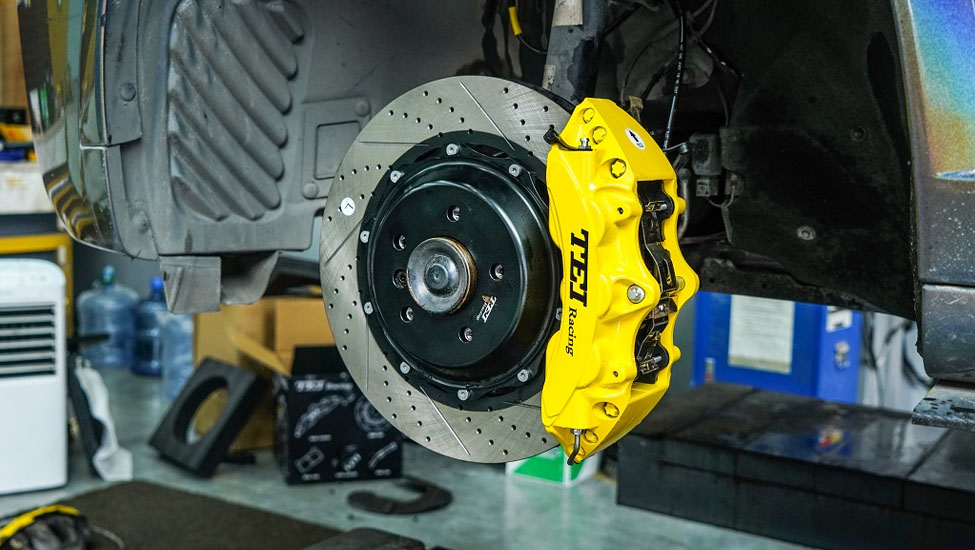
Performance cars
Racing vehicles
Modified street cars
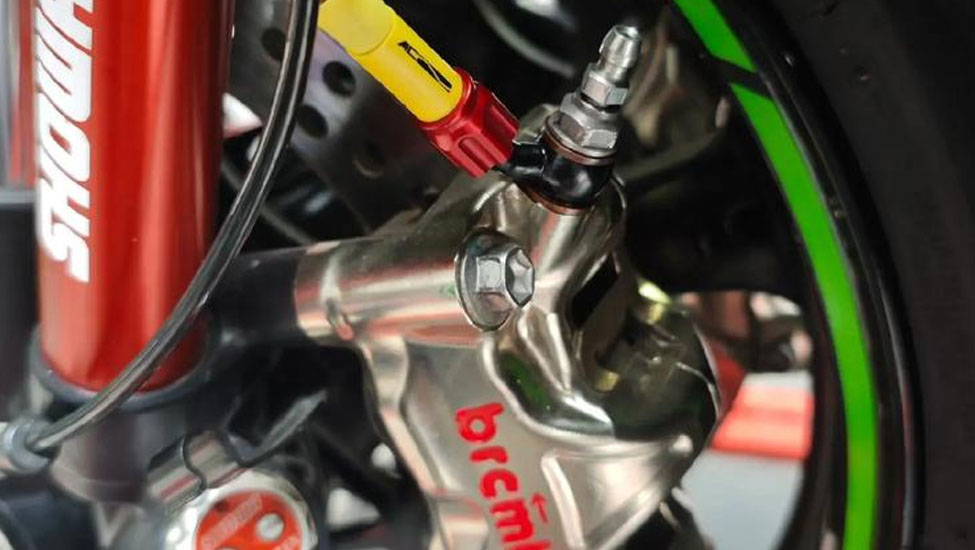
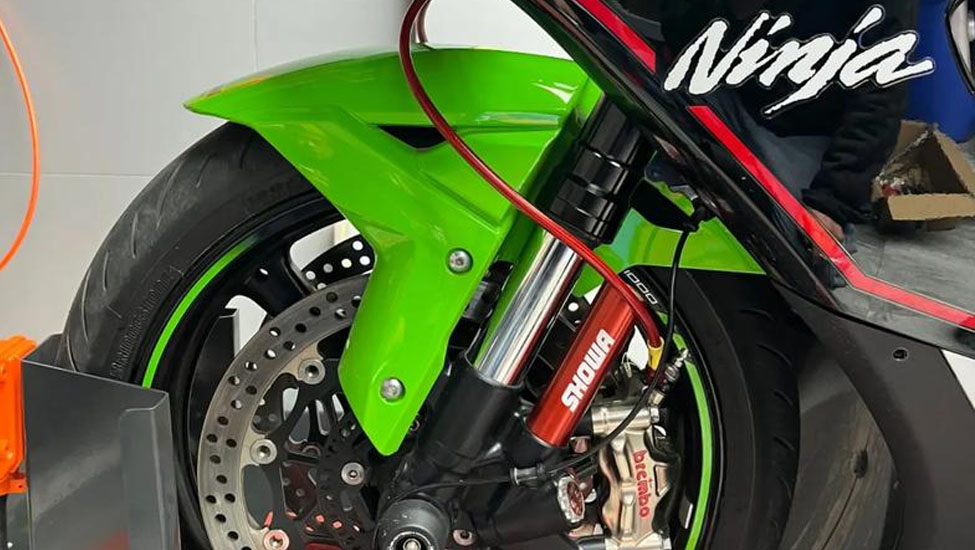
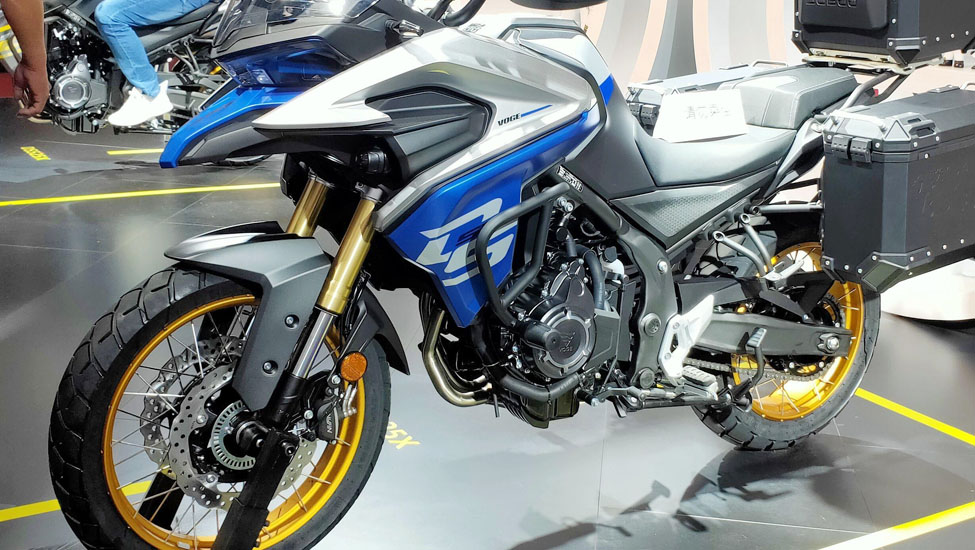
Motorcycles
Off-road vehicles
Heavy-duty or commercial applications
They are also suitable as high-quality replacements for aging OEM rubber hoses.
Manufacturing Quality Matters
The performance of a PTFE brake line depends not only on material selection but also on production precision.
Key manufacturing factors include:
High-quality PTFE extrusion process
Controlled stainless steel braiding density
Precision crimping of fittings
100** pressure testing
Strict quality inspection standards
As a professional brake line manufacturer, we focus on stable raw material sourcing, consistent production control, and reliable testing procedures to ensure each hose meets safety and performance requirements.
We also support customized lengths, fittings, and surface finishes to meet OEM and aftermarket demands.
ConclusionPTFE brake lines combine structural stability, chemical resistance, high temperature tolerance, and superior pressure performance in one reliable solution. Compared with traditional rubber hoses, they provide more precise braking response, improved durability, and enhanced safety margins.
For automotive brands, distributors, and performance specialists seeking dependable braking components, PTFE brake lines represent a proven and professional upgrade choice.